


- by wangfred
Future of Wearable Technology: Beyond the Wrist and Into the Body
- by wangfred
Imagine a world where your watch doesn't just tell you your heart rate is elevated—it knows you're anxious because it analyzed your cortisol levels, pre-emptively dimmed the lights in your home, and began playing a calming soundscape before you even registered your own stress. This is not a distant sci-fi fantasy; it is the imminent horizon of the future of wearable technology, a frontier where the line between device and human begins to blur, promising to revolutionize everything from healthcare to human potential. We are moving beyond the step count, into an era of continuous, seamless, and profoundly personal computing woven into the very fabric of our lives.
The journey of wearable technology thus far has been impressive, yet largely rudimentary. The first wave was defined by data collection—passive sensors gathering information about our movement, heart rate, and sleep patterns. These devices acted as historians, documenting our past activities. The future, however, belongs to proactive and predictive systems. The next generation of wearables will leverage artificial intelligence and machine learning to move from descriptive analytics ("you slept poorly") to diagnostic ("your sleep was disrupted by 15 episodes of apnea") and finally to prescriptive action ("adjusting your sleeping position now via a gentle haptic cue").
This shift is powered by a convergence of technologies. Sensors are becoming smaller, more powerful, and capable of detecting a wider range of biomarkers, from blood glucose and lactate to electrodermal activity and precise blood pressure. Meanwhile, edge computing allows this vast amount of data to be processed on the device itself in real-time, ensuring privacy and instantaneous response, while more complex algorithms run in the cloud, continuously learning and refining their models of our individual physiologies.
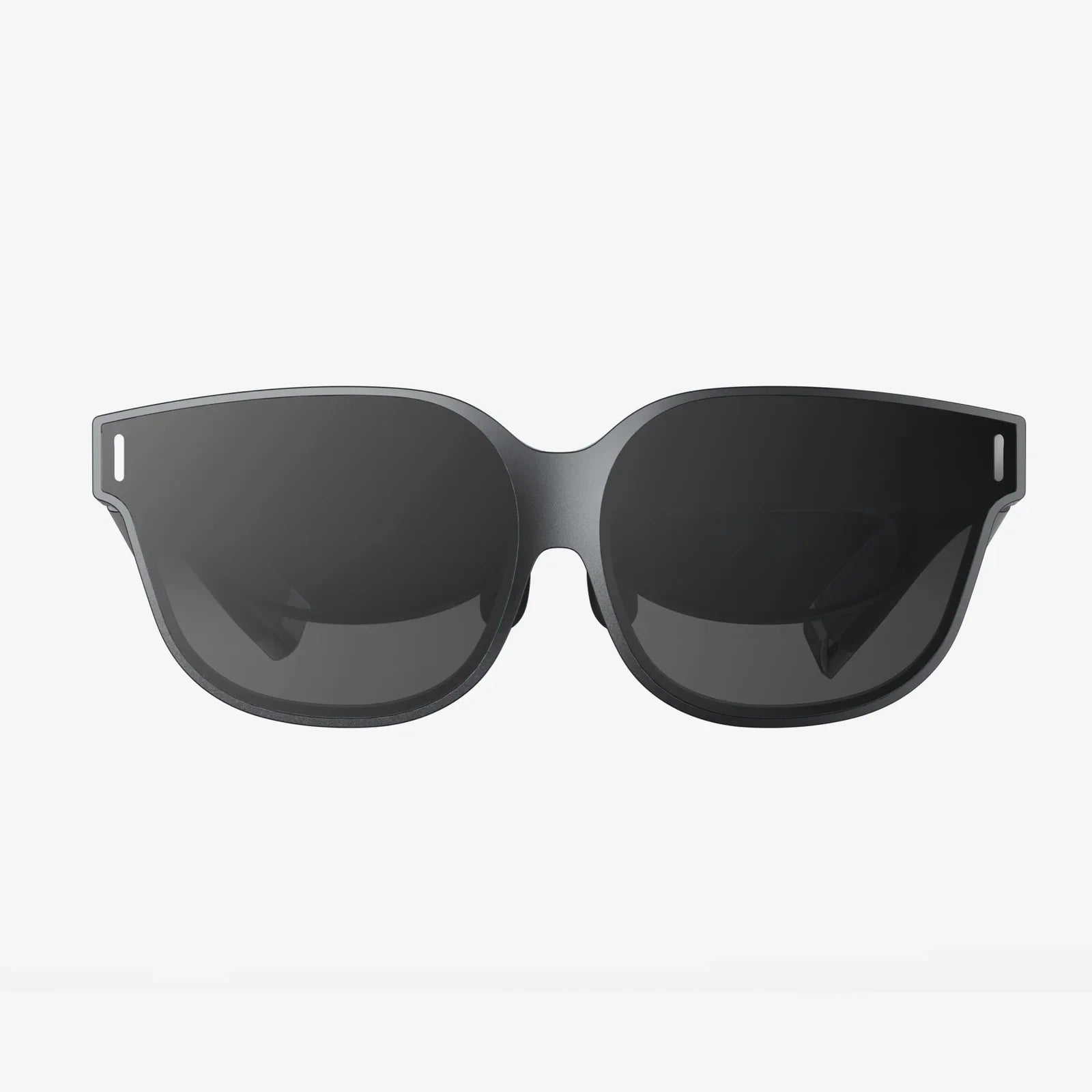
A critical aspect of the future of wearable technology is the reimagining of form. The goal is no longer to create a conspicuous gadget but to develop technology that integrates so seamlessly into our lives that it becomes unnoticeable until needed. This means a departure from the rigid wrist-worn device towards a multitude of forms:
The most profound impact of future wearables will be on the healthcare paradigm. We will shift from a reactive model—treating illness after it occurs—to a truly preventive and personalized one. Imagine a continuous, multi-parameter health dashboard for every individual.
These devices will provide a holistic view of a person’s health status, flagging subtle deviations from their personal baseline that may indicate the onset of illness. A slight variation in respiratory rate coupled with a change in vocal cadence detected by a hearable could provide an early warning of a respiratory infection. A continuous blood pressure monitor could alert a user to impending hypertension crises before they cause damage. For those with chronic conditions like epilepsy, wearables could predict the likelihood of a seizure, giving the user time to find a safe place or activate an intervention.
This data, owned and controlled by the individual, can be shared with healthcare providers, transforming annual check-ups into continuous relationships. Doctors will be able to make diagnoses based on vast, real-world datasets rather than a single data point captured in a stressful clinical environment. Clinical trials will also be revolutionized, as researchers can gather objective, continuous data on a drug’s efficacy and side effects from participants in their natural habitats.
While health is a primary driver, the future of wearables extends far into the realm of human augmentation. This technology will enhance our senses, cognitive abilities, and interactions with the world.
This brave new world is not without significant risks and ethical dilemmas. The very nature of these devices—intimate, always-on, and collecting the most sensitive biological data—creates a staggering responsibility.
Data Privacy and Security: Who owns your biological data? You, the device manufacturer, your insurance company, your employer? The potential for misuse is enormous. Robust encryption, clear data ownership laws, and transparent user consent models are non-negotiable. A breach of financial data is serious; a breach of a person’s real-time health and location data is catastrophic.
The Digital and Biological Divide: If advanced wearables become necessary for accessing the best healthcare and enhancing one’s capabilities, a new form of inequality could emerge. Will these life-extending and ability-enhancing technologies only be available to the wealthy? Ensuring equitable access is crucial to prevent a future where humanity is split into the augmented and the unaugmented.
Psychological and Social Impact: Constant health monitoring could lead to “cyberchondria,” where individuals become overly anxious about minor physiological fluctuations. It could also change our relationship with our bodies, making us reliant on external validation from devices rather than internal intuition. Furthermore, the ability to quantify and share emotions and states of being could redefine social interactions in ways we cannot yet fully comprehend.
Navigating this future requires a proactive approach. The development of this technology cannot be left to market forces alone. It demands a collaborative framework involving technologists, medical professionals, ethicists, policymakers, and the public. We must establish strong ethical guidelines and regulations that prioritize human well-being over data monetization. The design principle must be “human-first, technology-second,” ensuring that these devices serve to enhance our humanity, not diminish it.
The trajectory is clear: wearable technology is evolving from a tool we occasionally use to an environment we constantly live within. It promises a future where we are healthier, more connected to our own well-being, and empowered with capabilities once confined to comic books. But unlocking this potential hinges on our collective wisdom to build it responsibly, ensuring that this powerful technology remains a faithful servant to humanity, and not the other way around. The most exciting wearable innovation won't be a new sensor or a longer battery life; it will be the creation of a framework that allows this technology to flourish while fiercely protecting the sanctity of the human experience it aims to enhance.
The next time you glance at your wrist, remember that the humble device there is the prototype, the very first whisper of a revolution. The true future of wearables won't be worn on the body; it will be woven into its essence, creating a symbiotic partnership between human and machine that has the potential to eradicate disease, expand consciousness, and redefine the limits of what it means to be human. The question is no longer if this future will arrive, but how carefully and wisely we will choose to build it.
Share:
New AI Goggles: The Dawn of a Seamless, Augmented Reality
Glasses Music: The Sonic Architecture of a New Auditory Reality