


- by wangfred
Future Wearable Technology Business: Navigating the Next Wave of Connected Commerce
- by wangfred
Imagine a world where your watch doesn't just tell you your heart rate, it tells you you're about to get sick before any symptom appears. Envision glasses that don't just display notifications, but overlay a digital architect's blueprint perfectly onto a physical construction site. This is the seismic shift awaiting the future wearable technology business, a sector moving beyond novelty into necessity, poised to redefine human interaction with data, health, and the world itself. The next decade will see wearables evolve from isolated gadgets into a seamless, intelligent ecosystem, creating a frontier of opportunity so vast it will make the smartphone revolution look like a mere prelude.
The journey of wearable technology began with a simple premise: the quantified self. Early devices focused on passive data collection—steps taken, calories burned, sleep cycles monitored. This was a crucial first step, creating a market and acclimating consumers to the concept of constant biometric monitoring. However, the future wearable technology business is not about more data; it's about smarter data. The value proposition is shifting from retrospective analysis to real-time, predictive, and prescriptive insights.
The next generation of devices will leverage advanced sensors, including electrodermal activity (EDA) sensors for stress, continuous blood glucose monitors (non-invasive), core body temperature trackers, and advanced optical sensors capable of measuring blood oxygen saturation (SpO2) and even blood pressure. This data, when processed by on-device artificial intelligence, will transform wearables from fitness accessories into health guardians. They will provide early warnings for conditions like atrial fibrillation, hypoglycemic events, or the onset of infections, enabling preventative healthcare on a mass scale.
The business landscape will be built upon several interconnected pillars, each representing a multi-billion dollar market in its own right.
This is arguably the most significant domain. The future wearable technology business will be inextricably linked with the healthcare industry. We are moving towards FDA-approved and CE-marked wearable medical devices that can be used for remote patient monitoring (RPM). This allows for the management of chronic conditions like diabetes, hypertension, and heart disease outside of traditional clinical settings, reducing hospital readmissions and empowering patients. The business models will evolve from selling devices to selling subscription-based health insights and integrated care platforms to providers and insurers.
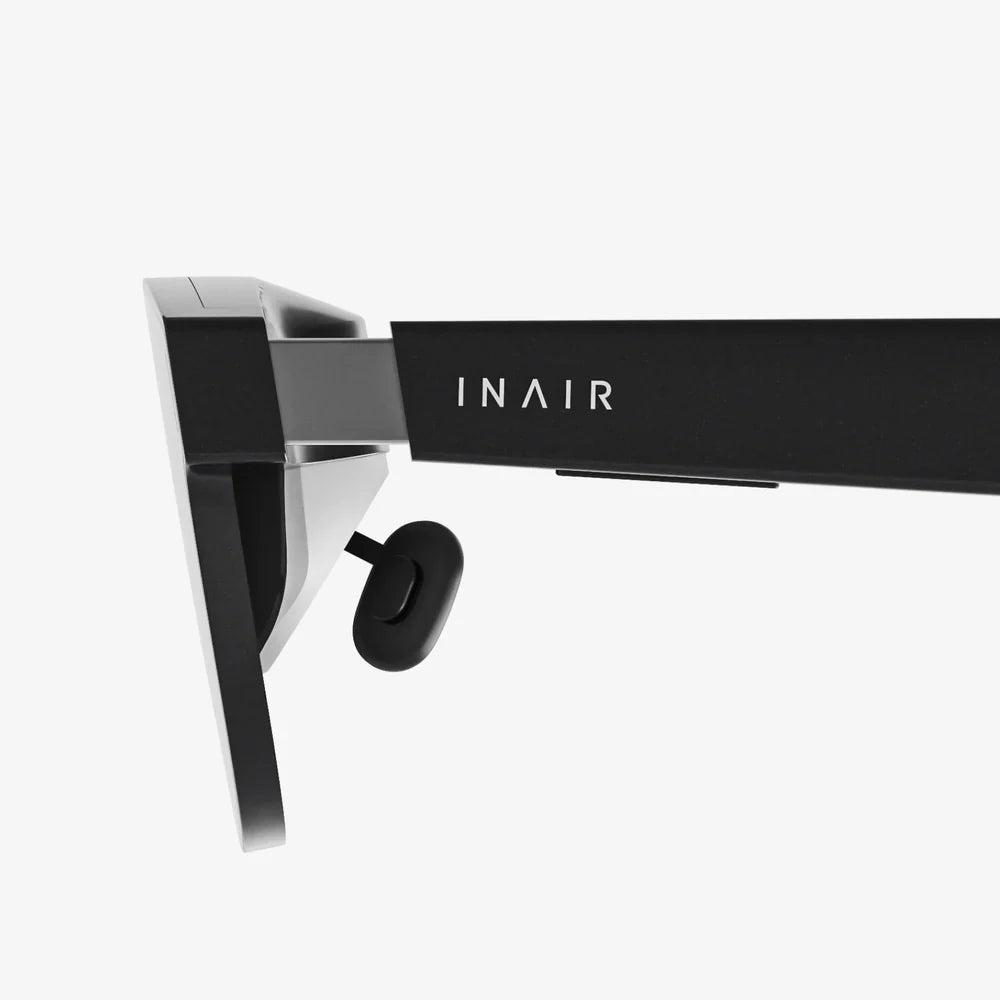
Beyond the consumer, the enterprise market represents a colossal opportunity. Smart glasses equipped with augmented reality (AR) will provide hands-free instructions, schematics, and remote expert assistance to field technicians, factory workers, and surgeons. Smart wearables for logistics and warehouse employees will optimize picking routes, monitor for fatigue, and enhance safety. Companies will invest in these technologies to reduce errors, accelerate training, improve worker safety, and streamline complex operational workflows, creating a strong B2B (Business-to-Business) revenue stream.
In the consumer space, wearables will become the central hub for digital identity and ambient computing. A ring or bracelet will seamlessly unlock your door, start your car, authenticate payments, and log you into your devices without a conscious thought. They will move beyond the wrist to include smart clothing with woven sensors, discreet hearing aids that double as premium audio devices and translation tools, and even smart patches for targeted drug delivery or cosmetic applications. The focus will be on invisibility and integration, weaving technology into the very fabric of our daily lives.
Several converging technological advancements are acting as the catalyst for this transformation.
The path forward is not without significant hurdles. The future wearable technology business will succeed or fail based on how it addresses these critical issues.
Wearables will collect the most intimate data imaginable: real-time location, continuous health metrics, and even emotional states. This creates an enormous responsibility. Businesses must adopt a privacy-by-design approach, ensuring data is encrypted, anonymized where possible, and that users have transparent control over how their information is used. The industry must work towards clear regulations and standards to build and maintain consumer trust. A single major data breach could cripple the entire sector.
As wearables claim more medical applications, they will face increased scrutiny from bodies like the FDA and EMA. The process of gaining regulatory approval is lengthy and expensive, favoring larger, established players but potentially stifling innovation. Furthermore, a lack of interoperability and data standardization between different devices and platforms creates siloed ecosystems that limit the potential for holistic health insights. Industry-wide collaboration on open standards will be essential.
There is a real risk that advanced health wearables will initially be luxury items, exacerbating existing health disparities. Businesses and policymakers must consider innovative models—such as partnerships with healthcare providers and insurers—to subsidize access for underserved populations, ensuring the benefits of this technology are distributed equitably.
In this complex landscape, successful ventures will be those that think beyond the hardware.
The companies that will dominate the future wearable technology business are not necessarily the tech giants of today. They are the agile startups, the healthcare incumbents adapting to digital transformation, and the cross-industry collaborators who understand that the true power of a wearable is not on the wrist, but in the rich, actionable, and life-changing insights it provides. The race is on to build not just a better gadget, but a smarter, healthier, and more connected human experience.
We stand at the precipice of a new era, one where the line between human and machine blurs not in a dystopian sense, but in a profoundly empowering one. The next wave of wearables won't just be something you wear; it will be a part of how you live, work, and thrive. For visionary entrepreneurs and investors, the message is clear: look closely at the interface of skin and silicon, for that is where the next trillion-dollar economy is being built, one heartbeat, one data point, and one life-improving insight at a time.
Share:
Smart Digital Products Are Reshaping Our Reality: A Deep Dive into the Connected Future
AR Studio Connect Android: Unlocking the Future of Augmented Reality Content Creation