


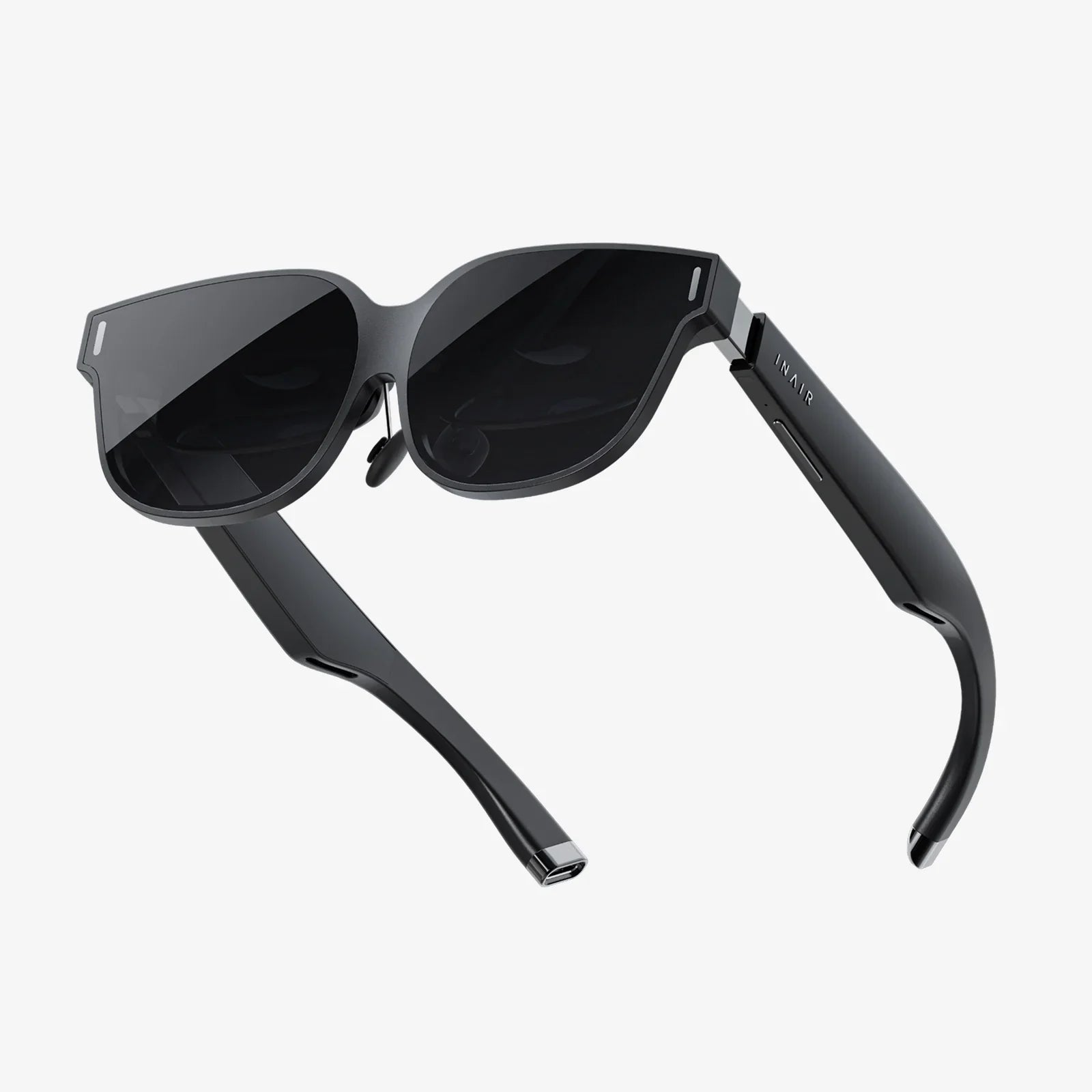
- by wangfred
Smart Digital Products Are Reshaping Our Reality: A Deep Dive into the Connected Future
- by wangfred
Imagine a world where your environment anticipates your needs, your home manages its own energy consumption, and your health is monitored with a precision once reserved for medical labs—this is no longer the realm of science fiction but the tangible reality being forged by the relentless evolution of smart digital products. These interconnected devices are weaving an invisible fabric of data and automation around us, fundamentally altering the human experience in ways both subtle and profound. The journey from clunky novelty to indispensable ecosystem is a story of technological convergence, artificial intelligence, and a fundamental shift in how we interact with the digital realm. This deep dive explores not just what these products are, but how they are silently reshaping our behaviors, our cities, and our very future.
The concept of a 'smart' product has undergone a radical transformation. Initially, the term was applied to any device that featured a digital display or could connect to a computer. Today, it signifies something far more complex and integrated. The first wave of smart digital products were often isolated islands of functionality—a watch that could receive notifications, a thermostat you could adjust from your phone. Their intelligence was limited, often requiring direct human command to perform any action.
The true revolution began with the move towards ecosystems. Instead of standalone devices, we now have interconnected networks where products communicate not just with us, but with each other. A single command can now trigger a cascade of actions across multiple devices from different categories. This interoperability is the bedrock of the modern smart home, smart city, and smart industry. It’s no longer about the intelligence of a single device, but the collective intelligence of a synchronized system, creating a seamless and contextual user experience that feels less like managing technology and more like living in a responsive environment.
Beneath the sleek surfaces of these devices lies their true brain: artificial intelligence and machine learning algorithms. This is what separates the truly 'smart' from the merely 'connected'. Early devices reacted; modern products predict.
This layer of AI is what transforms a simple data sensor into a decision-making entity, automating routines and providing insights that would be impossible for a human to glean from the raw data alone.
The impact of smart digital products is most keenly felt in the intimate spheres of our daily lives. They are becoming silent partners in our pursuit of comfort, security, and well-being.
The modern home is being reimagined as a living, breathing entity. Smart lighting systems adapt to our circadian rhythms, promoting better sleep and alertness. Smart appliances like refrigerators can track inventory, suggest recipes based on available ingredients, and even automatically order groceries. Robotic vacuums map our living spaces, cleaning with efficient autonomy. Integrated security systems provide peace of mind with real-time alerts and remote monitoring capabilities. The collective result is a home that is not only more convenient but also more energy-efficient and secure, freeing up mental bandwidth and time for its inhabitants.
Perhaps the most profound personal impact is in the realm of health and wellness. Wearables have evolved from simple step-counters to sophisticated health monitors capable of tracking heart rate variability, blood oxygen levels, and even conducting electrocardiograms. This constant stream of biometric data empowers individuals to take a proactive role in their health, spotting trends and potential issues early. For the elderly or those with chronic conditions, smart digital products enable independent living through fall detection, medication reminders, and remote patient monitoring systems that keep them connected to caregivers and medical professionals. This is shifting the healthcare paradigm from reactive treatment to continuous, preventative care.
The influence of smart digital products extends far beyond the personal, forming the backbone of the next generation of urban and industrial infrastructure.
In our cities, networks of sensors are optimizing traffic flow in real-time, reducing congestion and pollution. Smart grids are dynamically managing electricity distribution, integrating renewable sources and preventing blackouts. Waste management systems use sensors to optimize collection routes, saving fuel and reducing costs. Public safety is enhanced through intelligent lighting and surveillance systems that can detect emergencies. These city-wide networks of smart products are creating urban environments that are more efficient, sustainable, and livable for millions of people.
In industry, the concept of the 'smart factory' is driving the fourth industrial revolution. interconnected sensors on machinery enable predictive maintenance, alerting engineers to potential failures before they cause costly downtime. Automated guided vehicles (AGVs) and robots work alongside humans, streamlining logistics and assembly. The entire supply chain, from raw material to finished product, can be tracked and optimized with unprecedented precision, boosting productivity and reducing waste on a massive scale.
This hyper-connected future is not without its significant perils. The very connectivity that enables these wonders also creates vulnerabilities.
The trajectory of smart digital products points towards even deeper integration. We are moving towards ambient computing, where technology recedes into the background of our lives, responding to our presence and intent without the need for explicit commands. Brain-computer interfaces, though in early stages, hint at a future where thought itself could become a control mechanism. The convergence of AI, biotechnology, and nanotechnology could lead to smart digital products that are not just worn on the body but integrated within it, monitoring and regulating our health from the inside.
The next decade will likely see these technologies become more context-aware, more energy-efficient, and more intuitive, moving us closer to a world where the line between the physical and digital realms becomes increasingly blurred, not through intrusive gadgets, but through an environment that simply works in harmony with human intention.
The silent hum of a connected device is the sound of the future being built, one data point at a time. This is not a passive technological shift but an active reshaping of civilization, offering a breathtaking promise of efficiency, personalization, and insight that comes with immense responsibility. The choices we make today about security, ethics, and accessibility will determine whether this connected future is a utopia of seamless living or a dystopia of division and surveillance—the power to define that outcome lies not in the products themselves, but in our hands.
Share:
Best AI Tools 2025: The Ultimate Guide to Reshaping Your Workflow
Future Wearable Technology Business: Navigating the Next Wave of Connected Commerce