


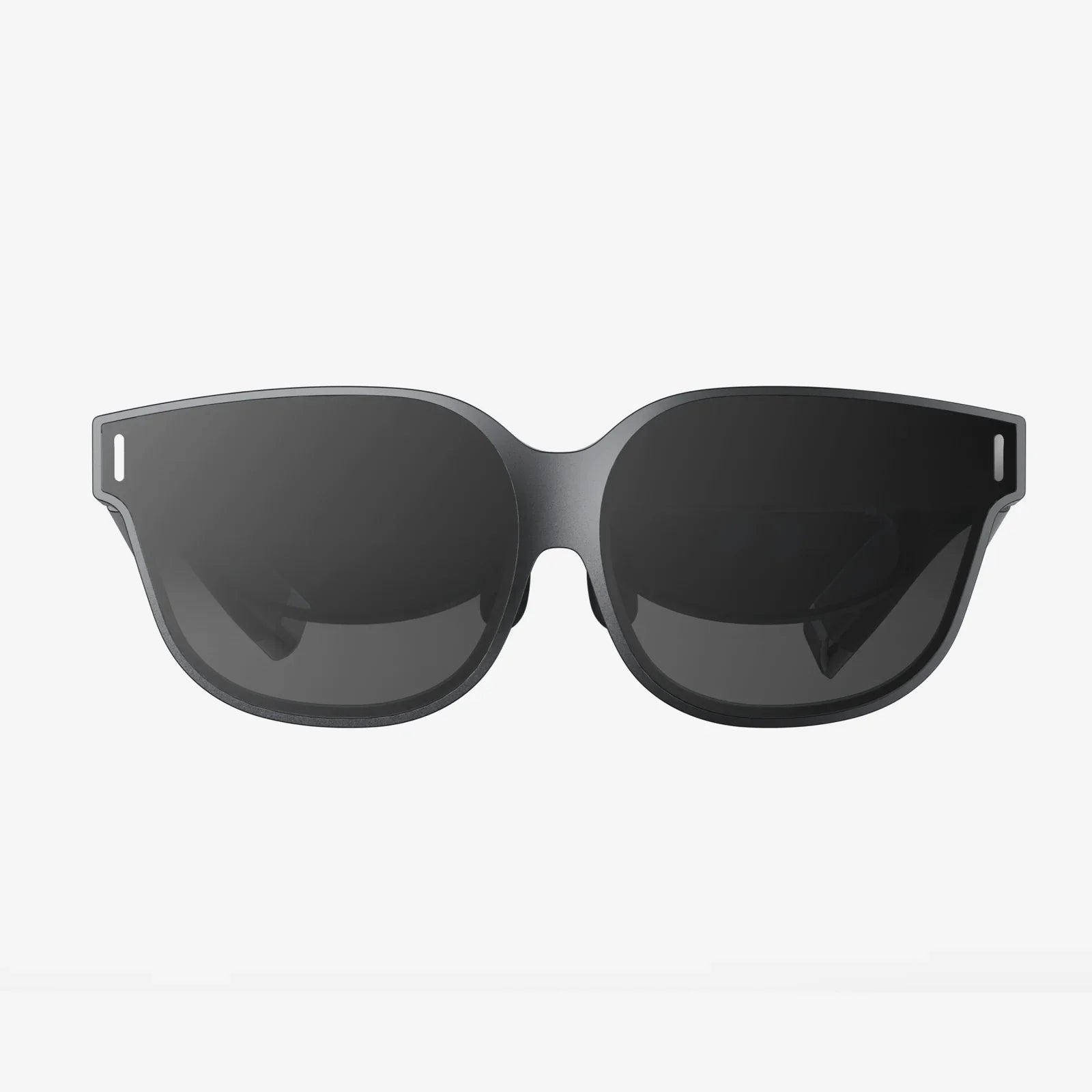
Imagine a world where your glasses do more than just help you see clearly. They translate foreign languages in real-time as you read a menu, monitor your blood sugar levels without a single pinprick, alert you to potential hazards on your evening walk, and seamlessly overlay digital information onto the physical world around you. This is not a distant science fiction fantasy; it is the imminent future being forged by the powerful and pervasive trend of glasses digitization. This technological convergence is poised to fundamentally alter our relationship with one of humanity’s oldest and most essential assistive devices, turning it into a central hub for personal health, connectivity, and augmented experience.
From Corrective Lenses to Computational Platforms
The journey of glasses digitization begins with a fundamental shift in identity. For centuries, eyeglasses were defined by their passive, optical function: bending light to correct refractive errors. Their value was measured in diopters. Today, that definition is being radically expanded. Digitization transforms glasses from passive lenses into active computational platforms. At its core, this involves the integration of miniature electronics, sensors, software, and connectivity modules directly into the eyewear form factor.
The hardware foundation for this revolution is becoming increasingly sophisticated and miniaturized. We are seeing the development of:
- Micro-displays and Waveguides: Advanced systems that project digital imagery directly into the user’s field of view, either through tiny projectors bouncing light off the lens or using transparent waveguides that layer images onto reality.
- Arrays of Miniaturized Sensors: Modern digitized frames can house a suite of sensors, including accelerometers, gyroscopes, ambient light sensors, microphones, high-resolution cameras, and even specialized health sensors like pulse oximeters.
- On-board Processing: Dedicated, low-power chipsets that handle the immense data flow from these sensors, enabling real-time analysis and action without constant reliance on a paired device.
- Connectivity Suites: Integrated Bluetooth, Wi-Fi, and eventually 5G modules that keep the glasses constantly connected to the internet and other personal devices.
- Advanced Battery Technology: Novel power solutions, including slimline batteries integrated into the temples and energy-harvesting techniques, are critical for achieving all-day wearability.
This hardware is useless without intelligent software. Sophisticated algorithms and machine learning models are the true brains of the operation, interpreting sensor data, understanding voice commands, recognizing objects and scenes through computer vision, and managing the seamless fusion of digital and physical realities.
A New Paradigm in Personal Health and Wellness
Perhaps the most profound impact of glasses digitization is its potential in the realm of healthcare. By virtue of their position on the face, smart glasses have unparalleled, continuous access to a wealth of physiological data, making them the ideal platform for passive, non-invasive health monitoring.
Consider the following applications that are already moving from lab to prototype:
- Chronic Disease Management: Sensors can analyze the blood flow in the retinal blood vessels visible through the eye, providing estimates for metrics like blood glucose levels, blood pressure, and even early signs of diabetic retinopathy. This offers a glimpse of a future free from finger-prick tests and bulky monitors.
- Neurological and Cognitive Health: By tracking pupillary response, blink rate, and eye movement patterns, algorithms can detect signs of fatigue, concussions, or even early indicators of neurological conditions like Parkinson's disease.
- Medication Adherence: A simple glance at a pill bottle could allow the glasses to identify the medication and log its intake, sending reminders if a dose is missed and providing valuable data to healthcare providers.
- Fall Detection and Emergency Response: For the elderly, a sudden change in posture and impact detected by the glasses’ sensors could automatically trigger an alert to family members or emergency services, providing location data and even a first-person view of the situation.
This shift from episodic healthcare, where data is collected during infrequent doctor's visits, to continuous, ambient health monitoring represents a monumental leap. It empowers individuals with unprecedented insight into their own well-being and provides clinicians with rich, longitudinal data for more accurate diagnoses and personalized treatment plans.
Augmenting Reality and Redefining Human-Computer Interaction
Beyond health, the most visible application of glasses digitization is in augmenting our perception of reality. Unlike virtual reality, which seeks to replace the world, augmented reality (AR) aims to enhance it. Digitized glasses are the ultimate AR vehicle, promising to make information available contextually and instantly, hands-free.
This technology will dissolve the barrier between the digital and physical realms:
- Contextual Information Overlay: Look at a landmark and see its history floating beside it. Glance at a complex piece of machinery and see animated repair instructions superimposed on the components. Navigate a new city with directional arrows painted onto the street in front of you.
- Real-time Translation and Transcription: Language barriers could crumble as subtitles appear in real-time under a speaking person, or foreign text on a sign is instantly translated and overlaid in your native language.
- Enhanced Productivity and Training: technicians can access schematics and guidance while keeping their hands on the task. Surgeons could visualize patient scans during a procedure. The potential for revolutionizing specialized fields is immense.
- Redefined Social Connection: Imagine sharing your literal point of view with a friend remotely, allowing them to see what you see and annotate your reality to help you find something or solve a problem.
Furthermore, glasses digitization is driving a new paradigm in human-computer interaction. Instead of tapping on a glass screen, interaction becomes more natural and intuitive through voice commands, subtle gesture controls (like a wink or a temple tap), and even gaze tracking—where simply looking at an object can select it.
Navigating the Inevitable Challenges
For all its promise, the path of glasses digitization is fraught with significant technical, social, and ethical challenges that must be thoughtfully addressed.
The Privacy Paradox: A device that sits on your face, sees what you see, and hears what you hear is arguably the most intimate data-collection device ever conceived. The potential for misuse is staggering. Continuous recording, even for legitimate purposes, raises critical questions about consent and surveillance. Who has access to this data? How is it stored and secured? Clear, transparent, and robust data governance frameworks will be non-negotiable for public adoption. The very concept of personal space and public recording laws will need to be re-evaluated in an era of pervasive, wearable sensors.
The Social Conundrum: The adoption of any new wearable technology brings social friction. Will conversations feel natural if one party is wearing a camera? Will restaurants and theaters ban such devices? Creating a social etiquette for this new technology will be a gradual and necessary process. The goal for designers must be to create technology that enhances human connection rather than isolating the wearer behind a wall of digital information.
The Design Imperative: Ultimately, for digitized glasses to become a mainstream success, they must first and foremost be great glasses. This means overcoming the formidable challenges of battery life, processing power, and connectivity without compromising on style, comfort, weight, and affordability. The technology must be invisible, receding into the background until it is needed. The market will not tolerate clunky, awkward, or socially stigmatizing designs for long. The winning devices will be those that people forget they are wearing until the moment the digital magic enhances their lives.
The Invisible Infrastructure of a Digitized Future
The full realization of glasses digitization relies on more than just the device itself; it depends on the ecosystem that supports it. This includes edge computing to process data with low latency, high-speed ubiquitous connectivity like 5G and eventually 6G, and cloud platforms capable of storing and analyzing the exabytes of data these devices will generate. Furthermore, developers will need to create a new genre of applications and experiences specifically designed for this always-available, context-aware interface, spawning entirely new industries and services we have yet to imagine.
The digitization of glasses is far more than a tech trend; it is a fundamental recalibration of a tool we have used for generations. It represents a move towards a more integrated, intuitive, and intelligent future where technology doesn’t demand our attention but quietly amplifies our human capabilities. It promises to make us healthier, more knowledgeable, and more connected to the world—and to each other—in ways we are only beginning to understand.
We stand on the brink of a future where your most trusted window to the world is no longer a passive pane of glass, but an intelligent, connected, and dynamic partner in navigating life itself. The next time you put on your glasses, consider the immense potential resting on the bridge of your nose—a potential that is about to be unlocked, changing not just how you see the world, but how you exist within it.
Share:
Portable Touch Screen Computer: The Ultimate Guide to Mobile Computing Power
Interactive Virtual Reality Apps Are Reshaping Our Digital Experience