


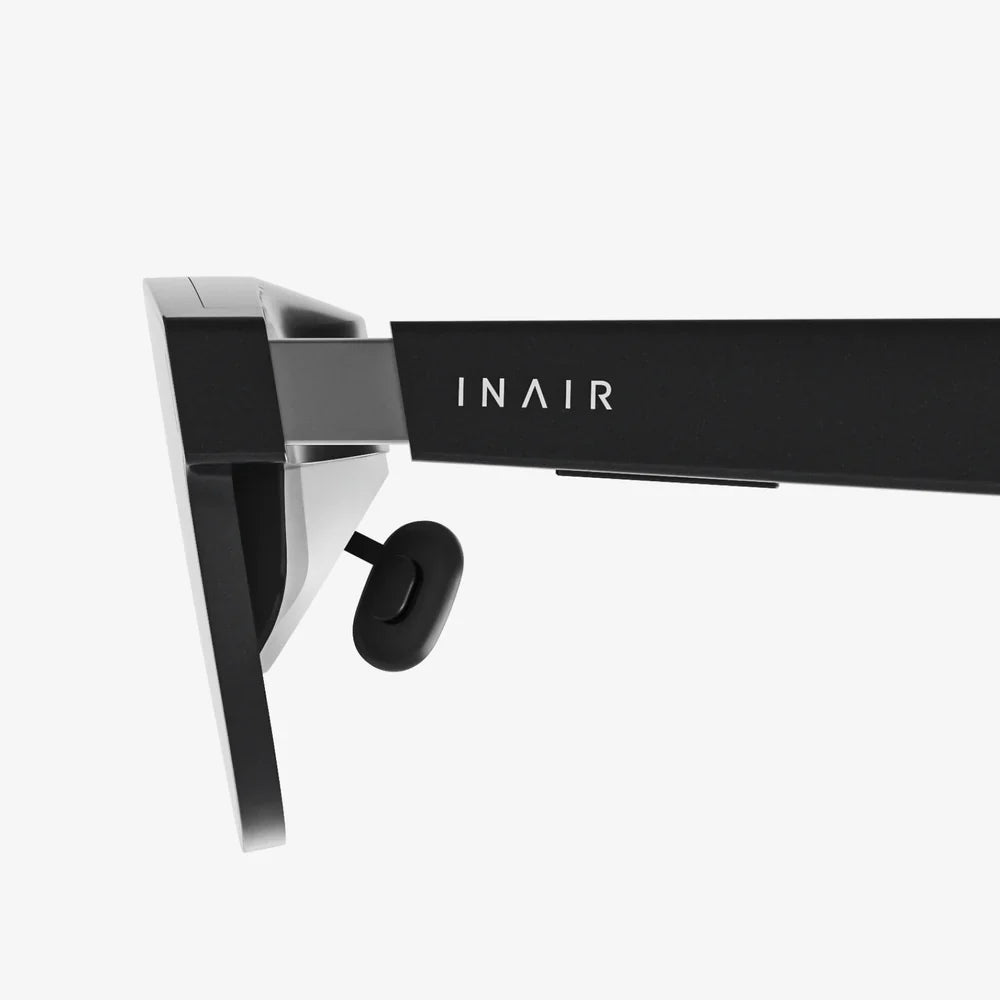
Imagine stepping through a portal into another world, a space where your physical surroundings dissolve and are replaced by a limitless digital landscape where you are not just an observer but an active participant. This is no longer the stuff of science fiction; it is the compelling reality offered by the latest generation of interactive virtual reality apps. The promise is no longer simply to see but to do, to feel, and to be present in a constructed reality, making the digital experience profoundly personal and utterly transformative. The click of a button is now the step into a new dimension.
The Core Mechanics of Immersion and Interaction
At the heart of every compelling interactive virtual reality app lies a sophisticated fusion of technology designed to trick the human brain into accepting a digital experience as real. This is achieved through a combination of hardware and software working in perfect harmony.
Hardware as the Gateway: The experience begins with the head-mounted display (HMD), which houses high-resolution screens that fill the user's field of view. Precise head-tracking technology, using a combination of gyroscopes, accelerometers, and external or internal cameras, monitors the user's head orientation and movement. This data is processed in real-time to adjust the visual perspective accordingly, creating the crucial sensation of looking around a 3D space. Without this low-latency tracking, users experience disorientation and motion sickness, breaking the fragile illusion of presence.
The Power of Input and Control: Interaction is what separates a passive VR video from an interactive VR app. This is managed through a variety of input devices, most commonly motion controllers. These handheld devices are tracked in 3D space, allowing the app to render virtual hands, tools, or weapons that mimic the user's real-world movements. Advanced haptic feedback provides tactile sensations, from the subtle vibration of a virtual object being touched to the simulated recoil of a weapon. Emerging technologies are exploring hand-tracking, which eliminates controllers entirely, and even full-body suits for complete kinematic immersion, allowing avatars to reflect a user's posture and motion with stunning accuracy.
Software and Sensory Overload: The software engine is the architect of the virtual world. It must render complex, high-fidelity graphics at a consistently high frame rate (typically 90Hz or higher) to maintain visual fluidity and comfort. Spatial audio is another critical component; sounds must change dynamically based on the user's head position and orientation, making a noise behind the user actually seem to come from behind them. This multi-sensory layering—visual, auditory, and haptic—is what constructs a convincing and interactive virtual reality.
Revolutionizing Education and Professional Training
Perhaps the most impactful application of interactive virtual reality apps is in the realm of education and training. These platforms move learning from a theoretical, abstract exercise into a practical, experiential one.
Immersive Learning Environments: Instead of reading about ancient Rome, students can don a headset and take a guided tour through a meticulously reconstructed Roman forum, listening to historical figures and interacting with the environment. Medical students can practice complex surgical procedures on virtual patients, making critical mistakes without any real-world consequences. This experiential learning dramatically improves knowledge retention and comprehension.
High-Stakes Skill Development: For professional training, the benefits are immense. Pilots have used flight simulators for decades, but interactive VR apps bring this concept to new levels of accessibility and detail. Emergency responders can train for disaster scenarios—a chemical plant fire, a mass casualty event—in a perfectly safe virtual space. Corporate employees can practice public speaking by standing in a virtual conference hall filled with animated avatars, helping to overcome anxiety and hone presentation skills. The ability to repeat scenarios, introduce unexpected variables, and receive instant data-driven feedback makes VR an unparalleled training tool.
The New Frontier of Social Connection and Remote Collaboration
As the world becomes more digitally connected yet physically distributed, interactive virtual reality apps are pioneering new forms of social interaction that feel more genuine than traditional video calls.
Beyond the Video Grid: Social VR platforms create shared virtual spaces where users, represented by customizable avatars, can gather. The sense of shared presence is profound; you can sit around a virtual campfire, make eye contact, use natural gestures, and experience body language cues that are entirely lost on a flat screen. Conversations happen naturally in spatial audio, allowing side conversations to bubble up just as they would at a real party. This fosters a deeper sense of connection and community, combating the isolation that can come with digital communication.
The Virtual Workspace: The corporate world is also taking note. Remote teams can meet in a virtual boardroom where 3D models of new products can be pulled apart and examined from every angle. Architects and engineers can walk clients through unbuilt structures at full scale. This shared spatial understanding is impossible to achieve through a shared screen or video conference. It collapses geographical barriers and enables a collaborative workflow that feels intuitive and natural, potentially redefining the future of remote work.
Transforming Healthcare and Therapeutic Practices
The therapeutic potential of interactive virtual reality apps is a rapidly expanding field, offering new hope and innovative treatments for a range of physical and psychological conditions.
Exposure Therapy and Phobia Treatment: VR provides a controlled, safe environment for exposure therapy. Patients with acrophobia (fear of heights) can gradually experience standing on the edge of a virtual skyscraper, with a therapist controlling the intensity of the experience in real-time. Similarly, it can be used to treat fears of flying, public speaking, spiders, and more. The patient knows they are safe, but their brain and body react as if the threat is real, allowing them to work through their anxiety effectively.
Pain Management and Physical Rehabilitation: VR is a powerful tool for distraction, which can be harnessed for pain management. Patients undergoing painful wound care or physical therapy can be immersed in a engaging game, effectively diverting their brain's attention away from pain signals and reducing the perceived intensity. For physical rehab, interactive apps can turn repetitive, often monotonous exercises into gamified challenges. Patients are motivated to complete movements to achieve a goal in the virtual world, which accelerates recovery and improves adherence to treatment plans.
Challenges and Considerations for the Future
Despite the incredible promise, the widespread adoption of interactive virtual reality apps faces significant hurdles that developers and society must address.
The Accessibility Barrier: High-quality VR requires powerful computing hardware and relatively expensive headsets, creating a barrier to entry for many consumers and institutions. While standalone headsets are making the technology more accessible, a gap remains. Furthermore, a portion of the population experiences VR-induced motion sickness (cybersickness), a problem that ongoing technological refinement seeks to solve.
Ethical and Psychological Implications:
The potential for addiction is real, as these hyper-immersive experiences can be highly compelling escapes from reality. The collection of biometric and behavioral data within VR also raises profound privacy concerns. How is data on our movements, reactions, and even eye-tracking being used? Establishing clear ethical guidelines and robust data protection frameworks is essential for the healthy development of the medium. The Quest for Authentic Human Connection: As we invest more in virtual interactions, there is a risk of devaluing physical, face-to-face human connection. While VR can connect people across vast distances, it is crucial to remember that it is a supplement to, not a replacement for, the rich tapestry of real-world human experience. The goal should be to use this technology to enhance our lives, not to escape from them. The journey into virtual spaces is just beginning. The current applications are impressive, but they are merely the foundation for what is to come. As haptic technology evolves to simulate touch and temperature, and as brain-computer interfaces develop, the line between the real and the virtual will blur even further. Interactive virtual reality apps are not just changing how we play games or watch videos; they are fundamentally reshaping how we learn, heal, work, and connect with each other, offering a glimpse into a future where our digital and physical realities are seamlessly and powerfully intertwined. The next time you consider a new app, you might not be downloading it to your phone—you might be stepping inside it.
Share:
Glasses Digitization: The Invisible Revolution Reshaping How We See the World
Make 2D Image to 3D: The Ultimate Guide to Converting Flat Photos into Immersive Models