


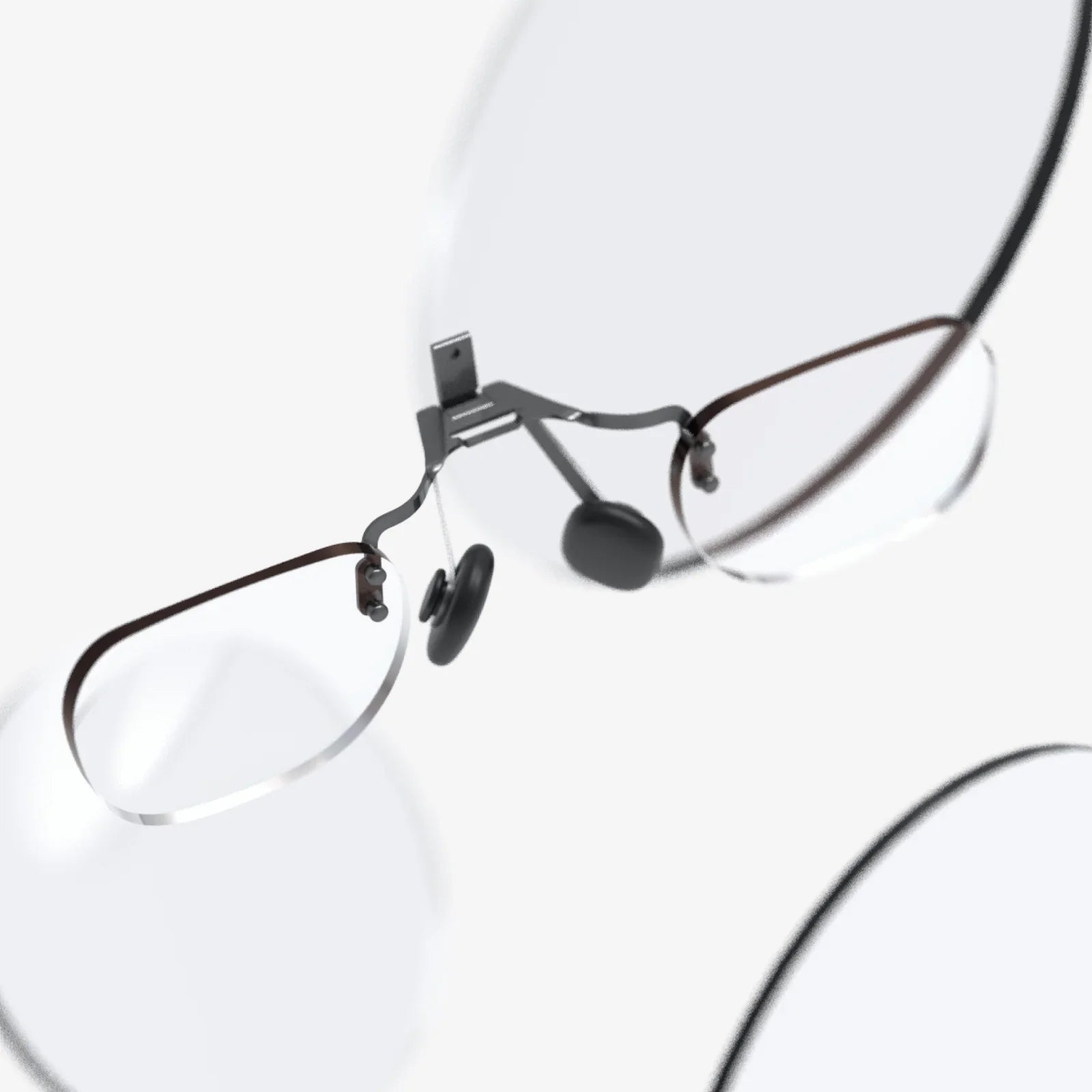
Have you ever finished a long day of scrolling through your phone, only to look up and find the world slightly blurry, your eyes aching, and a dull headache forming behind your temples? You’re not alone. In our hyper-connected era, the mobile screen has become an unblinking window to our work, social lives, and entertainment, but this constant companionship comes at a cost to our most precious sensory organs: our eyes. This is where the innovative solution of glasses for mobile screens steps in, not as a mere accessory, but as a essential tool for modern well-being. This comprehensive guide will delve deep into the world of these specialized lenses, exploring the science behind digital eye strain, the technology that combats it, and how you can reclaim visual comfort in a pixelated world.
The Digital Assault on Our Eyes: Understanding the Problem
Before we can appreciate the solution, we must first understand the problem. Staring at mobile screens subjects our eyes to a unique set of challenges that traditional glasses were not designed to address.
High-Energy Visible (HEV) Blue Light
Mobile screens, particularly those with LED backlighting, emit significant amounts of High-Energy Visible (HEV) blue light. This type of light has a very short wavelength, which means it carries more energy than other colors in the visible spectrum. Prolonged and close-range exposure, typical of phone use, can cause this light to scatter in the eye, reducing visual contrast and contributing to digital eye strain. More concerningly, numerous studies suggest that excessive blue light exposure, especially in the evening, can suppress the production of melatonin, the hormone responsible for regulating sleep-wake cycles, leading to disrupted sleep patterns.
The Constant Refocusing Demand
Unlike a printed book, a digital screen is made of pixels—tiny points of light that form characters and images. Our eyes must constantly work to focus and refocus on these shimmering pixels. This relentless focusing effort, combined with the glare from screens, forces the ciliary muscles inside our eyes to work overtime, leading to fatigue, difficulty focusing at different distances, and that tell-tale feeling of eye strain.
Reduced Blink Rate
It might seem trivial, but when we are engrossed in our mobile devices, our blink rate can decrease by up to 66%. Blinking is essential for spreading tears evenly across the surface of the eye, keeping it moist, clean, and oxygenated. A reduced blink rate leads to faster tear evaporation, resulting in dry, irritated, gritty-feeling eyes—a primary symptom of Computer Vision Syndrome (CVS).
How Glasses for Mobile Screens Offer a Shield
Glasses designed specifically for mobile screen use are engineered to counteract these specific issues. They are not a one-size-fits-all solution but a targeted approach to digital wellness.
Blue Light Filtering Technology
The most common feature of these glasses is a specialized coating that filters out a portion of HEV blue light. This coating doesn’t make the world look yellow or overly tinted; modern versions are virtually clear or have a very slight amber hue. By blocking a significant percentage of this high-energy light, these lenses help to:
- Enhance Contrast: Reduce the scattering effect of blue light, making it easier for your eyes to focus and improving clarity.
- Minimize Eye Strain: By easing the focusing effort, they directly combat the primary cause of digital fatigue.
- Support Circadian Rhythm: Wearing them in the evening can help mitigate blue light's impact on melatonin, potentially leading to better sleep quality.
Anti-Reflective (AR) Coating
Almost all quality glasses for mobile screens include a premium anti-reflective coating. This coating minimizes reflections from both the front and back surfaces of the lenses. Glare from overhead lighting or windows can create additional visual noise and force your pupils to constantly adjust. The AR coating eliminates this, allowing more light to pass through the lenses to your eyes and significantly reducing distracting glare.
Precision magnification
Many options for mobile screen use incorporate a very slight power magnification (often between +0.50 and +1.25). This is not a prescription for correcting nearsightedness or farsightedness. Instead, this "low-plus" power provides a gentle assist to your eyes' focusing system. It creates a slight relaxation effect for the ciliary muscles, reducing the immense effort required to maintain focus on a close-up object for extended periods. This is particularly beneficial for individuals over 40 who may be experiencing the early stages of presbyopia (age-related difficulty focusing up close).
Who Truly Needs Mobile Screen Glasses?
While anyone who uses a smartphone can benefit, certain groups will find them particularly transformative.
- The Heavy User: If your job or lifestyle involves four or more hours daily on a mobile device, you are at high risk for digital eye strain symptoms.
- The Gammer: Mobile gamers experience intense, uninterrupted screen engagement, often in varied lighting conditions, making them prime candidates for the protective benefits.
- The Student: With education increasingly reliant on tablets and phones for reading and research, students are subjecting their eyes to unprecedented levels of screen time.
- The Night Owl: Anyone who scrolls through their phone in bed is directly bombarding their eyes with sleep-disrupting blue light at the worst possible time.
- Contact Lens Wearers: Contact lenses can exacerbate dryness. Screen glasses can help maintain a more stable tear film, providing relief for dry eye symptoms aggravated by screen use.
- Individuals with Pre-existing Eye Conditions: Those already dealing with dry eye syndrome or eye allergies may find their symptoms are significantly worsened by screen use and can experience profound relief.
Choosing Your Digital Armor: A Buyer's Guide
Not all glasses for mobile screens are created equal. Here’s what to consider when selecting your pair.
Lens Quality and Blue Light Filtering Percentage
Look for information on the percentage of blue light filtered. Quality lenses typically filter between 20% to 40% of HEV blue light without drastic color distortion. Some manufacturers provide specific wavelength blocking data. A reputable seller will be transparent about the protection level their lenses offer.
The Importance of a Comprehensive Anti-Reflective Coating
Ensure the anti-reflective coating is applied to both the front and back of the lenses. A single-sided coating is insufficient as reflections from the back of the lens (the side closest to your eye) can be just as problematic as those from the front.
Consider a slight tint
While many filters are clear, a very light amber or rose tint can enhance contrast further, making text appear sharper and blacker on a white background. This can be especially useful for graphic designers or anyone doing detailed work on their phone.
Fit and Comfort
Since you’ll likely be wearing these for hours, frame choice is crucial. Look for a comfortable fit that doesn’t pinch your nose or temples. A wider field of vision is also beneficial. Lightweight materials can make a significant difference in all-day comfort.
Personalization is Key
The most effective solution is often a customized one. Even if you have perfect distance vision (20/20), an eye care professional can determine the optimal amount of blue light filtration and any beneficial low-plus power specifically for your working distance and visual needs. They can craft a pair tailored precisely to the distance you hold your phone, offering the most relief possible.
Beyond the Glasses: Holistic Eye Care in the Digital Age
Glasses for mobile screens are a powerful tool, but they work best as part of a broader strategy for eye health.
The 20-20-20 Rule
This is the golden rule of digital eye care. Every 20 minutes, look at something 20 feet away for at least 20 seconds. This simple practice gives your focusing muscles a crucial break and helps reset your eyes.
Mind Your Environment
Adjust the brightness of your screen to match the ambient lighting around you. Avoid using your phone in a dark room, as the high contrast between the bright screen and darkness is particularly straining. Increase the text size on your device so you don’t have to squint or hold it uncomfortably close.
Blink Consciously
Make a conscious effort to blink fully and frequently when using your device. This rewets the surface of your eyes and prevents dryness. Consider using lubricating eye drops if you consistently suffer from dry eyes.
Night Mode and Software Solutions
Use your device’s built-in features. "Night Shift" or "Blue Light Filter" settings reduce blue light emission from the screen itself. While not as effective as external filtering glasses, they are a helpful supplemental measure, especially in the evenings.
Imagine ending your day without that familiar pressure behind your eyes, reading a late-night article without worrying about sleep disruption, or finishing a long gaming session without a throbbing headache. This isn't a far-off fantasy; it's the tangible reality offered by understanding and utilizing the right eyewear. Glasses for mobile screens are more than a product—they are a proactive statement, a commitment to preserving your natural vision against the relentless glow of the digital world. In an age where our focus is constantly demanded by a device we can hold in one hand, taking control of our visual health has never been more critical or more achievable.
Share:
Lightest VR Headset 2025: The Unprecedented Dawn of Frictionless Immersion
How to Hook Up a VR Headset to a TV: The Ultimate Guide for Spectators