


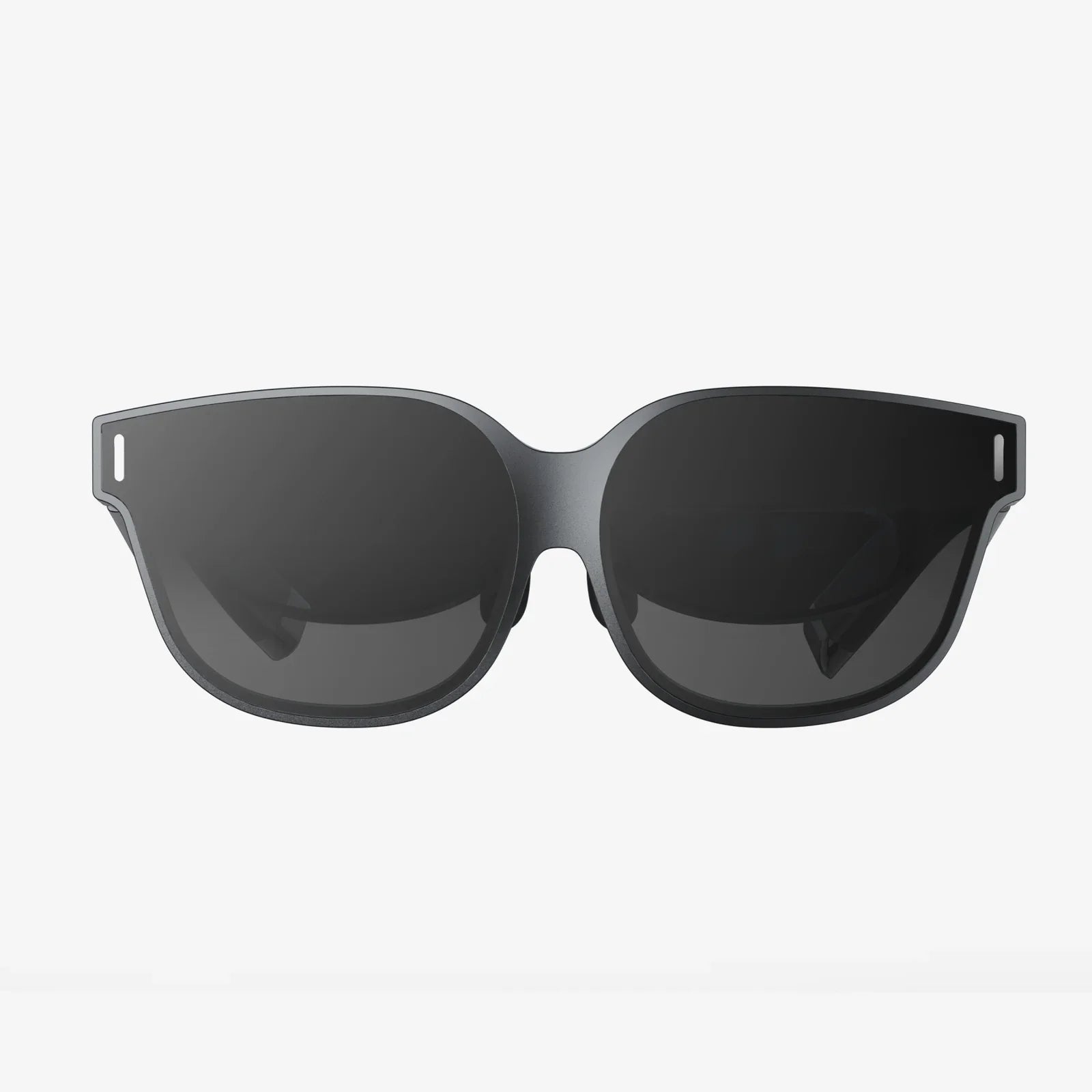
- by wangfred
Glasses for Screen Time: The Essential Guide to Protecting Your Eyes in the Digital Age
- by wangfred
You blink, your eyes feel gritty, and a dull headache begins to pulse behind your temples. You’ve been scrolling, working, or binge-watching for hours, and your body is sending you a bill for all that screen time. In our hyper-connected world, this feeling is becoming as common as the devices that cause it. But what if a simple, elegant solution existed not just to correct your vision, but to fundamentally change your relationship with the screens that dominate your life? The answer might be sitting right on the bridge of your nose.
To appreciate the value of specialized eyewear, we must first understand the modern visual environment we inhabit. Unlike reading a book or looking at a printed photograph, digital screens present a unique set of challenges for our eyes.
First, there is High-Energy Visible (HEV) blue light. Emitted in significant quantities by LEDs, smartphones, tablets, and computer monitors, this short-wavelength light is known for its high energy. While natural blue light from the sun is crucial for regulating our circadian rhythm, prolonged, close-range exposure to artificial sources is a relatively new phenomenon. Studies suggest that overexposure can contribute to digital eye strain and may potentially disrupt sleep patterns by suppressing melatonin production.
Second, we have the issue of glare and flicker. Screens often produce a significant amount of glare, which can be exacerbated by overhead lighting or windows. Furthermore, many screens use pulse-width modulation to control brightness, a form of rapid flickering that is largely imperceptible to the conscious mind but can cause significant strain on the eye muscles over time as they constantly work to refocus.
Finally, our visual behavior changes with screens. We tend to blink less—a phenomenon sometimes called “computer vision syndrome” or digital eye strain. Symptoms are wide-ranging and debilitating: dry, irritated eyes, blurred vision, difficulty focusing, neck and shoulder pain, and those persistent tension headaches. It’s a full-body response to a visual problem, and it affects millions of people worldwide, from students to retirees.
This is where glasses designed for the digital age step in. They are not merely magnifying glasses; they are sophisticated optical tools engineered to mediate the harsh relationship between your eyes and your devices. They employ a multi-faceted approach to combat the issues outlined above.
The most talked-about feature is the blue light filter. These lenses incorporate a special coating that selectively filters out a portion of HEV blue light. It’s important to note that they do not block all blue light—a complete block would distort color perception significantly, making it impossible to work with photos or design. Instead, they target the most potentially problematic wavelengths.
The primary benefit is a reduction in eye strain. By filtering this high-energy light, the lenses reduce the visual noise and glare, allowing your eyes to relax. Many users report an immediate sensation of comfort, as if a slight, constant pressure has been lifted. The secondary, and equally important, benefit is for your sleep hygiene. By reducing blue light exposure in the evening, these lenses can help maintain your body’s natural production of melatonin, signaling that it’s time to wind down, even if you’re finishing up a late-night project.
An often-overlooked hero in lens technology is the anti-reflective (AR) coating. This coating is applied to both the front and back of the lens. On the front, it minimizes reflections from lights and windows that would otherwise create distracting glare on the lens surface. On the back, it prevents light from your screen from reflecting off the back of your lenses and into your eyes, a significant source of strain. This combination ensures that more usable light reaches your retina with less interference, creating a cleaner, sharper, and more comfortable visual field.
Traditional reading glasses are designed for near vision (about 12-18 inches away). Standard computer glasses, however, are optimized for the intermediate zone—approximately 20 to 26 inches, the typical distance between your eyes and a monitor. This precise focal optimization means your eye muscles don’t have to work as hard to maintain focus for hours on end. For those who already wear prescription lenses, opting for a pair specifically tuned for this intermediate distance can be a revelation, eliminating the need to squint or lean uncomfortably toward the screen.
A common misconception is that these glasses are only for the young, tech-obsessed generation or for hardcore gamers. The reality is far more inclusive.
The bottom line: If you regularly experience any symptoms of digital eye strain, you are a candidate. It is less about your age or prescription and more about your lifestyle.
Not all glasses are created equal. Walking into a store or browsing online can be overwhelming. Here’s what to consider to find your perfect pair.
Options range from lenses with a slight blue light filter (often giving a subtle yellow or red tint) to virtually clear lenses that still filter a significant portion of HEV light. For all-day wear and color-accurate work, the clear options are typically preferred. For evening use or for those extremely sensitive to light, a more aggressive filter might be beneficial.
Ensure the lenses include a premium anti-reflective coating. Consider impact-resistant polycarbonate or Trivex materials, especially for active individuals or children. These materials are also naturally lighter and more comfortable for all-day wear. Scratch-resistant and anti-smudge coatings are also valuable additions that extend the life and clarity of your glasses.
You do not need a prescription to benefit from the blue light filtering and anti-glare properties. If you have 20/20 vision, non-prescription (plano) lenses are a fantastic option. If you wear corrective lenses, you can integrate these features into your new prescription glasses or add them to an existing pair you use specifically for computer work.
Since you’ll likely be wearing these for extended periods, frame choice is critical. Lightweight materials and a comfortable nose bridge are essential. Ensure the frame is wide enough to provide a full field of view without looking over the top of the lenses.
While powerful, glasses are just one tool in a broader strategy for digital wellness. They work best when combined with healthy habits.
Think of it as a layered defense: your habits form the first layer, your environment the second, and your specialized glasses the final, personalized layer of protection.
Some may view glasses for screen time as an unnecessary expense. However, when weighed against the cost of chronic pain, lost productivity, and degraded sleep quality, they emerge as a remarkably accessible and effective intervention. They are not a medical device to treat a disease but a piece of preventative technology, akin to an ergonomic chair or a standing desk. They acknowledge that our bodies evolved in a natural world, and they help us adapt gracefully to the digital one we’ve built.
The goal is not to live in fear of our technology but to find harmony with it. We rightfully protect our skin from the sun with sunscreen and our ears from loud noises with headphones. It is now time to extend that same thoughtful protection to our eyes, the organs that provide us with an estimated 80% of our sensory information about the world. Glasses designed for screen time are more than an accessory; they are a statement that you value your comfort, your health, and your ability to engage with the digital world on your own terms.
Imagine finishing your workday without that familiar ache behind your eyes, or reading a novel on your tablet before bed and actually feeling sleepy instead of wired. This isn’t a futuristic fantasy—it’s the tangible reality for millions who have already made this simple yet profound switch. The clarity, comfort, and peace of mind they offer are not just features on a spec sheet; they are the foundation for a healthier, more sustainable digital life, allowing you to truly see the difference.