


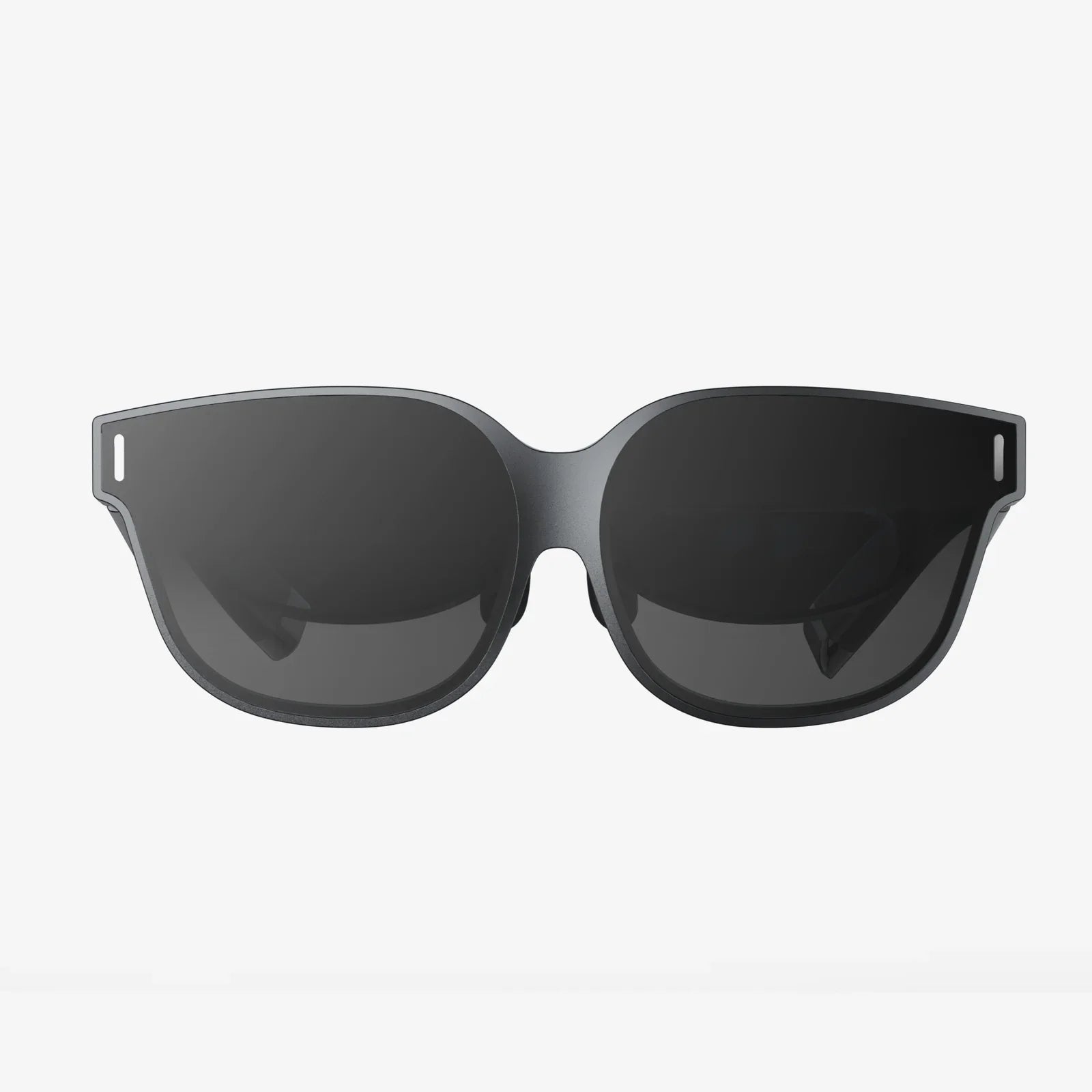
You settle in for a long-awaited gaming session, cue up your favorite album for a deep listen, or join a critical video conference, only to be met with a familiar, nagging pain. The relentless pressure on your temples, the sore spots on the bridge of your nose, the aching that forces you to choose between clear vision and immersive sound. For the billions of people who wear glasses, this is an all-too-common dilemma, a frustrating compromise that has plagued the listening experience for decades. But what if you didn’t have to choose? What if the perfect synergy of auditory excellence and physical comfort wasn't a myth, but an achievable reality? The search for the holy grail of personal audio ends here, with a deep dive into the world of truly glasses friendly headphones.
The Anatomy of Discomfort: Why Standard Headphones Fail Spectacle Wearers
The conflict between headphones and eyewear is fundamentally a battle of real estate on your head. Both devices are designed to occupy the same crucial territory: the temporal region and the area just above the ears. Standard headphones, especially those with strong clamping force and dense, unyielding padding, exert pressure to create a seal. This seal is vital for passive noise isolation and bass response, but it comes at a cost. The arms of your glasses are sandwiched between the headband's force and your skull, creating concentrated pressure points that can lead to headaches, discomfort, and even temporary indentations in the skin.
This pressure is not merely an annoyance; it can break the seal of over-ear and on-ear models. When the earcup padding cannot sit flush against your head due to the glasses arm, it creates a tiny gap. This acoustic leak allows external noise to seep in and, more critically, allows your precious low-frequency sounds to escape. The result? A tinny, weak audio profile that utterly fails to deliver on the headphone's promised performance. You're left with neither comfort nor quality sound, a lose-lose scenario that has persisted for far too long.
Engineering for Comfort: Key Design Features of Glasses Friendly Headphones
The solution isn't a single magic bullet but a thoughtful combination of design philosophies and engineering innovations aimed at redistributing pressure and accommodating eyewear. Manufacturers who prioritize this user experience focus on several key areas.
Strategic Headband Design and Clamping Force
The headband is the source of the clamping force, so its design is paramount. Glasses friendly models often feature a wider, more generously padded headband. This design spreads the force over a larger surface area of the skull, reducing the pounds per square inch (PSI) at any single point, including where the glasses arms are located. Instead of a vice-like grip, the sensation is one of even, secure support. Furthermore, the clamping force itself is meticulously calibrated to be strong enough to keep the headphones securely in place during movement but gentle enough to avoid excessive pressure.
Revolutionary Earcup Padding and Shape
This is arguably the most critical element. The material and geometry of the earcups make all the difference.
- Memory Foam and Hybrid Materials: High-quality memory foam is a game-changer. It contours to the unique shape of your head and, crucially, molds around the arms of your glasses instead of simply pressing against them. This adaptive quality maintains a much more effective acoustic seal than stiff foam would. Some advanced models use hybrid padding with a cooling gel layer or different foam densities to optimize comfort and seal.
- Deep, Plush Earcups: Depth is a key factor. Shallow earcups force your ear and the glasses arm to be compressed against the side of your head. Deeply sculpted earcups provide a cavernous space for your ears to sit without being touched by the driver housing, creating a natural channel for the glasses arm to pass through without being crushed.
- Swiveling and Articulating Earcups: Static earcups assume a one-size-fits-all head shape, which doesn't exist. Articulating earcups that can swivel vertically and tilt horizontally allow the headphones to adapt to your specific anatomy. They can align perfectly with the angle of your jaw and the side of your head, ensuring the seal is formed around the glasses arm rather than being broken by it.
Weight Distribution
Lighter headphones inherently generate less downward and clamping force. The use of advanced materials like magnesium alloys, carbon fiber composites, and high-strength polymers allows manufacturers to create robust yet incredibly light structures. This reduction in weight directly translates to less strain on the head and temples, making extended listening sessions effortlessly comfortable for glasses wearers.
Finding Your Perfect Match: A Buyer's Considerations
Knowing the theory is one thing; applying it to your next purchase is another. When shopping for glasses friendly headphones, you must become an informed consumer, looking beyond marketing buzzwords.
- Prioritize Fit Over Specs (Initially): A headphone can have the most exquisite frequency response graph ever measured, but if it causes pain after twenty minutes, it's useless to you. The first and most important metric is comfort. If possible, try them on with your glasses. Pay attention to where you feel pressure.
- Identify Your Glasses Type: Are your glasses arms thin wire frames or thick, bold acetate? Thicker arms present a greater challenge and will require more pliable and deeper padding to accommodate. Thin metal arms might be easier to fit but can create sharper pressure points if the padding is too firm.
- Consider Your Primary Use Case: Are you a stationary listener at a desk, or do you need them for the gym? For stationary use, over-ear models with plush padding are ideal. For active use, you might look towards flexible, on-ear models with softer clamping force designed for movement, though the seal will be less effective.
- Read Reviews from Fellow Spectacle Wearers: Seek out reviews that specifically mention the experience of wearing the headphones with glasses. This user feedback is often the most reliable indicator of real-world comfort.
The Sound of Relief: How Comfort and Audio Quality Intersect
The pursuit of comfort is not a separate goal from achieving great sound; it is intrinsically linked. A comfortable fit is a prerequisite for accurate sound reproduction. When the headphones are properly fitted without painful pressure points, you are free to relax and become fully immersed in the audio. You're not subconsciously anticipating the next throb of pain or planning when you can take them off. This psychological comfort is as important as the physical.
Moreover, as mentioned, a proper seal is non-negotiable for bass response. Glasses friendly designs that successfully mold around eyewear preserve this seal, ensuring the driver performs as the audio engineer intended. The bass is full and present, the mids are clear, and the soundstage remains intact. You get the complete, rich audio experience without the physical toll.
Beyond the Over-Ear: Exploring Other Form Factors
While over-ear headphones often provide the best potential for a glasses friendly experience due to their larger surface area, other form factors can also be viable solutions.
On-Ear Headphones: These can be a hit-or-miss affair. Poorly designed on-ear models press the glasses arms directly into the side of your head. However, well-designed ones with very soft, compliant padding and a self-adjusting headband can rest lightly enough to avoid major discomfort. They often sacrifice some sonic performance for portability.
Open-Back Designs: Many high-fidelity, open-back headphones are designed for critical listening in quiet environments. They often have very plush, velour-covered earpads and are engineered with a more relaxed clamp, making them naturally more accommodating for glasses. They do leak sound in and out, so they are not suitable for public or noisy spaces.
Bone Conduction Headphones: This technology bypasses the ears entirely, resting on your cheekbones and transmitting sound through bone vibration. They are the ultimate glasses friendly option in terms of physical compatibility, as they leave your ears completely open and put no pressure on the temples. However, they significantly compromise audio quality, particularly in bass response, and are best suited for podcasts, calls, and situational awareness during outdoor activities.
The era of suffering for your soundtrack is officially over. The marriage of advanced materials, ergonomic design, and a genuine understanding of the wearer's anatomy has given rise to a new class of audio gear that refuses to force a choice. You can have the crisp, detailed audio of a dedicated enthusiast and the all-day comfort of your favorite frames, experiencing every note, dialogue, and sound effect exactly as it was meant to be heard—without a single ache or pain. The future of personal audio is not just about hearing more; it’s about feeling better.
Share:
VR Headset Watch Movies: The Ultimate Guide to Cinematic Immersion
Cheapest VR Headset for PC: Your Ultimate Guide to Affordable Immersion