


- by wangfred
Glasses Hardware The Unsung Hero of Vision and Style
- by wangfred
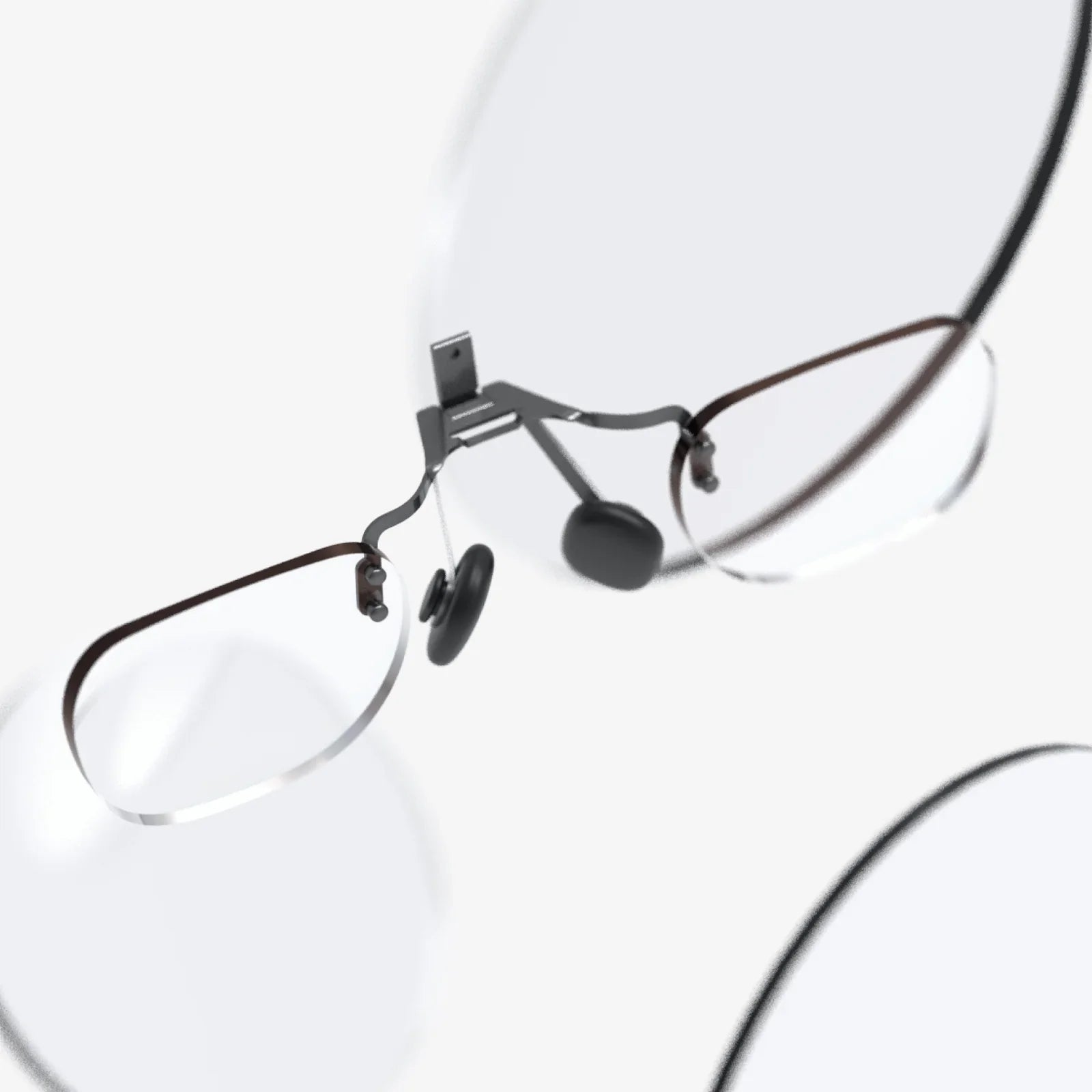
You pick them up every morning, placing them gently on the bridge of your nose, a ritual so ingrained it feels automatic. They are your window to the world, a defining element of your personal style, and a piece of advanced technology you wear on your face. But have you ever stopped to consider the marvel of engineering that makes it all possible? Look beyond the lenses and the frame's color; the true magic, the unsung hero of your daily life, lies in the intricate and precisely crafted glasses hardware. This is the hidden world of hinges, screws, nose pads, and temples—a universe of microscopic engineering that dictates comfort, durability, and function. Understanding this hardware is the key to appreciating the engineering marvel you rely on and making informed choices for your next pair.
At first glance, a pair of glasses seems simple. However, a closer inspection reveals a complex assembly of parts, each with a critical role to play. The hardware is the connective tissue that brings the entire structure to life.
Perhaps the most crucial piece of hardware, hinges are responsible for the fundamental function of your glasses: allowing the temples to fold and unfold smoothly. This simple motion is a feat of precision engineering. There are several primary types:
Comfort is paramount, and it is primarily delivered through the hardware that touches your skin.
Located at the very ends of the temples, these components curve behind the ears to keep the glasses securely in place. On metal frames, they are usually made of a soft, flexible silicone or plastic that provides grip and comfort, preventing the hard metal from digging into the skin. On acetate frames, the temple tip is often just a curved, polished extension of the frame material itself.
These are the smallest but arguably most critical components. A single, minuscule screw, often no larger than a grain of rice, holds the entire hinge assembly—and thus the temple—together. They are precision-threaded and typically made from durable stainless steel or nickel-silver alloys to resist stripping and corrosion from skin oils and sweat. Losing one can render a pair of glasses unwearable, a testament to their outsized importance.
The choice of material for hardware components is a deliberate decision that impacts weight, strength, corrosion resistance, and even allergies.
While metals provide structure, advanced polymers provide comfort and functionality. The silicone used in nose pads and temple tips is specifically formulated to be non-reactive, soft, and to maintain its grip over time without degrading from exposure to oils and cosmetics.
Creating reliable glasses hardware is a process that demands extreme precision. Hinges are often machined using Computer Numerical Control (CNC) technology to ensure the barrels are perfectly aligned and the screw threads are cut with microscopic accuracy. The screws themselves are manufactured with specialized thread-cutting techniques. For spring hinges, the assembly process involves carefully placing and calibrating the tiny internal spring before the hinge is sealed. This level of precision ensures that the "click" of a well-made hinge feels solid and that the tension will remain consistent for years.
This complex hardware requires care to function optimally. The greatest enemies are grit, grime, and moisture. Dirt particles can work their way into hinge mechanisms, acting as an abrasive that wears down the precise machining and can eventually cause failure. Salt from sweat is highly corrosive and can seize screws and degrade metals over time.
Regular, gentle cleaning with a mild soap and water, followed by careful drying with a soft, lint-free cloth, is essential. It's also crucial to always use both hands to open and close your glasses. Using one hand creates a twisting force on one hinge, misaligning the barrels and putting undue stress on the screw, inevitably leading to a loose fit and premature failure.
While fundamentally functional, hardware has also become a key stylistic element. Designers use it to make a statement. A bold, contrasting hinge color on an acetate frame can become a signature detail. The choice of a sleek, almost invisible spring hinge versus a classic, visible barrel hinge communicates a different aesthetic—modern innovation versus timeless tradition. Even the design of the nose pads, whether they are minimalist silicone dots or sculpted acetate, contributes to the overall character of the frame. The hardware, therefore, is not just an engineering component; it is an integral part of the design language.
The evolution of glasses hardware is ongoing, driven by material science and digital innovation. We are seeing the emergence of:
So the next time you reach for your glasses, take a moment to appreciate the symphony of engineering in your hands. That satisfying snap of the hinge, the comfortable weight distribution on your nose, the secure fit behind your ears—none of it is accidental. It is the direct result of decades of innovation in materials science and mechanical design, all focused on perfecting these tiny, essential components. The right glasses hardware is what transforms a frame from a mere holder of lenses into a seamless, comfortable, and durable extension of yourself, a testament to the fact that the smallest details often hold the greatest importance.
Share:
The Power of Augmented Reality AR for Business: Reshaping Commerce and Industry
AR Technology Definition: A Comprehensive Guide to the Digital Overlay on Reality