


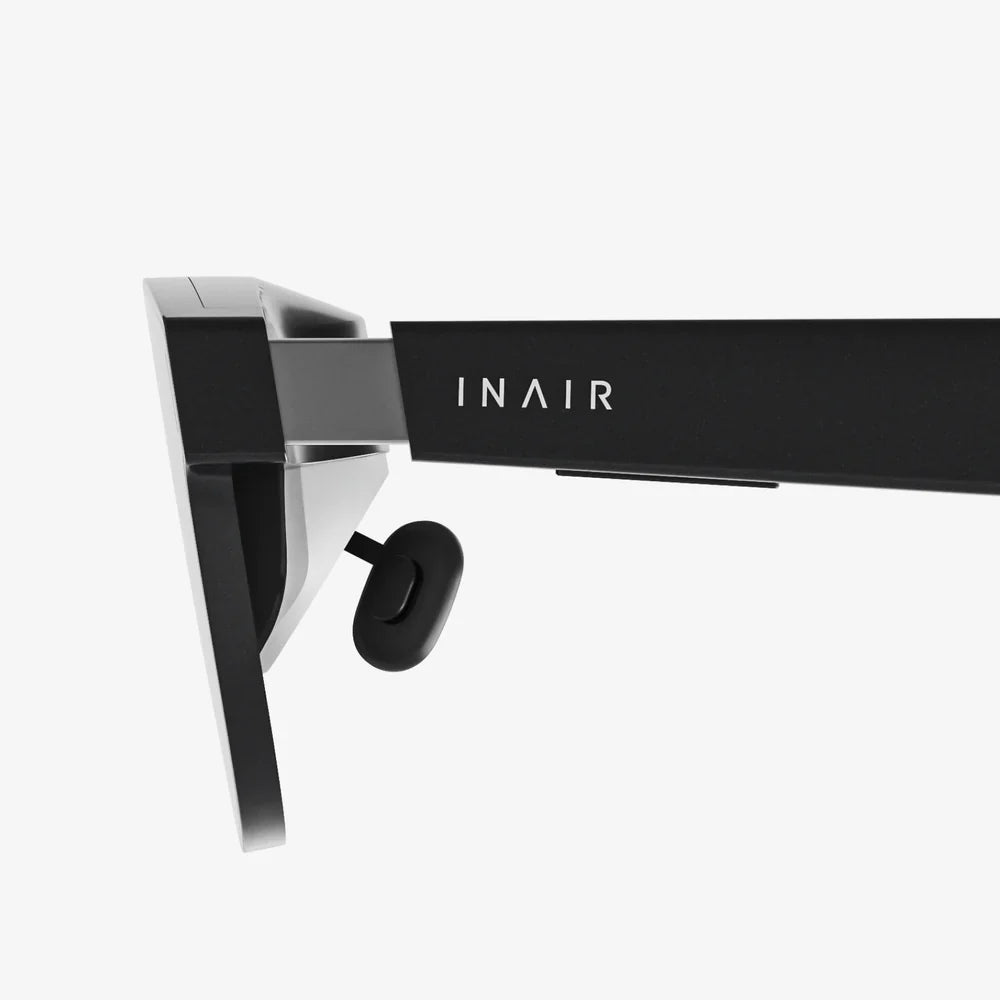
Imagine a world where your morning routine is simplified, your commute is more immersive, and your digital life blends effortlessly with your physical one, all without a single wire in sight or a bulky device on your face. This is not a distant sci-fi fantasy; it is the reality being shaped today by the innovative convergence of audio technology and eyewear. Glasses with integrated earphones represent a seismic shift in personal electronics, moving beyond mere convenience to create a new category of wearable that is as functional as it is discreet. This isn't just an upgrade; it's a reimagining of how we experience sound and sight in our daily lives.
The Genesis of a Hybrid Device
The journey towards audio-enabled eyewear began with the universal human desire for convenience and minimalism. For decades, the paths of personal audio and vision correction ran parallel, occasionally intersecting with clunky, aftermarket solutions that prioritized function over form. The true catalyst for change was the wireless audio revolution, which untethered us from our devices and opened the door for true integration. Engineers and designers began to ask a fundamental question: if we carry multiple devices on our person, why not combine their purposes into a single, elegant solution? The answer lay in the humble pair of glasses—a platform worn on the head, perfectly positioned to house micro-speakers and microphones without adding significant bulk or weight.
Unpacking the Technology: How Do They Work?
At first glance, a pair of these advanced spectacles might look deceptively ordinary. The magic, however, is woven into the very fabric of their design.
Bone Conduction vs. Open-Air Audio
Most models on the market utilize one of two primary audio delivery methods. The first, bone conduction, transmits sound waves through the bones of the skull directly to the inner ear, bypassing the eardrum. This technology is excellent for maintaining situational awareness, as it leaves the ear canal completely open. The second, and more common, method involves tiny, powerful speakers embedded within the temples of the frames. These speakers are strategically placed to beam sound directly into the ear canal without creating a seal, creating a personal sound bubble that allows ambient noise to filter through. This open-ear audio design is crucial for safety, enabling users to listen to music or take calls while still hearing traffic, conversations, and other important environmental sounds.
The Hardware Ecosystem
Housing this technology requires a marvel of miniaturization. The temples are slightly thicker than traditional frames to accommodate miniature speakers, batteries, microphones, and circuit boards. Despite this, advanced materials like memory metal and high-strength polymers keep them lightweight and comfortable for all-day wear. A multi-microphone array, often with beamforming technology, is employed to isolate the user's voice from background noise during calls, ensuring crystal-clear communication. All of this is powered by a compact rechargeable battery, typically offering a full day of mixed use on a single charge, with a convenient charging case often provided for top-ups on the go.
Seamless Connectivity
Connectivity is the lifeblood of these devices. They leverage the latest Bluetooth standards for a stable, low-latency connection to smartphones, tablets, and laptops. This allows for effortless streaming of audio, video, and podcasts. Furthermore, integrated touch controls on the temples or voice assistants provide hands-free control over music, volume, calls, and even accessing digital helpers, making the interaction intuitive and immediate.
A Multitude of Applications: Beyond Music and Calls
While listening to a podcast or answering a call hands-free are obvious uses, the applications for audio-enabled eyewear extend far beyond these basic functions. They are becoming a versatile tool for productivity, accessibility, and entertainment.
Enhanced Productivity and Focus
For professionals working in open-plan offices or from home, these glasses offer a unique solution for deep focus. Users can play ambient noise or focus-boosting soundscapes directly through their glasses, creating a personal zone of concentration without isolating themselves from colleagues or family. Taking important conference calls becomes effortless, allowing the user to move freely and use their hands while maintaining professional audio quality.
Accessibility and Assisted Listening
This technology holds profound potential for accessibility. For individuals with certain types of hearing impairment, the directed audio can amplify conversations in crowded rooms, acting as a discreet hearing assistive device. Museums and galleries are beginning to experiment with them for audio tours, providing a more immersive and less cumbersome experience than traditional handheld audio guides. Similarly, they can be used for real-time language translation, with the translated dialogue spoken directly into the user's ear.
Immersive Fitness and Navigation
For the fitness enthusiast, they are a game-changer. Runners and cyclists can enjoy their workout playlists without blocking out the sounds of their environment, significantly enhancing safety. Voice-guided navigation can provide turn-by-turn directions directly into their ears, eliminating the need to constantly look at a phone screen. This hands-free, eyes-up approach is ideal for navigating busy city streets or unfamiliar hiking trails.
The User Experience: A Day in the Life
To truly appreciate their value, consider a typical day experienced through these glasses. Your morning alarm on your phone is replaced by a gentle, scheduled audio wake-up through your glasses. During your commute, you listen to an audiobook, pausing it effortlessly with a tap on the temple when you need to buy a coffee. At work, you join a video call—your voice is clear, and your hands are free to gesture and take notes. On your lunch break, you take a walk while listening to a podcast, still aware of the city around you. After work, you follow a guided meditation session before winding down for the evening. Throughout the entire day, you never had to search for, untangle, or insert a pair of earphones.
Addressing Challenges and Considerations
No technology is without its trade-offs, and audio glasses are no exception. The open-ear design, while great for awareness, means audio quality can be affected in very loud environments, and there is the potential for sound leakage at high volumes, though this is minimal. Privacy is a consideration, as with any always-connected microphone. Reputable manufacturers implement strict data privacy policies and clear physical indicators when the microphone is active. Battery life, while sufficient for a day, is another factor, adding one more device to a daily charging routine. Finally, style is subjective; while designs have improved dramatically, the slightly thicker temples may not appeal to everyone's aesthetic preferences.
The Future Vision: What Lies Ahead?
The current iteration of glasses with earphones is merely the foundation. The future points towards even deeper integration. We can anticipate the incorporation of advanced augmented reality (AR) displays, projecting visual information onto the lenses—think directions overlayed on the street or translated text appearing over a foreign menu. Biometric sensors could monitor health metrics like heart rate and steps taken, transforming them into a comprehensive health and wellness platform. AI integration will become more sophisticated, offering context-aware assistance that anticipates your needs based on your location and activity. The line between a wearable device and a seamless extension of our senses will continue to blur.
The ultimate promise of glasses with earphones is liberation—from wires, from isolated listening, and from the need to choose between being present in your environment and being connected to your digital world. They represent a thoughtful step towards a future where technology doesn't demand our attention but quietly enhances our reality. As this technology continues to evolve, becoming more powerful, more affordable, and more stylish, it is poised to move from a niche gadget to an essential everyday companion, fundamentally changing our relationship with both what we see and what we hear.
Share:
Windows 11 Mixed Reality Link News: The Future of Immersive Computing is Here
Wearables for Elderly: A Comprehensive Guide to Safety, Independence, and Peace of Mind