


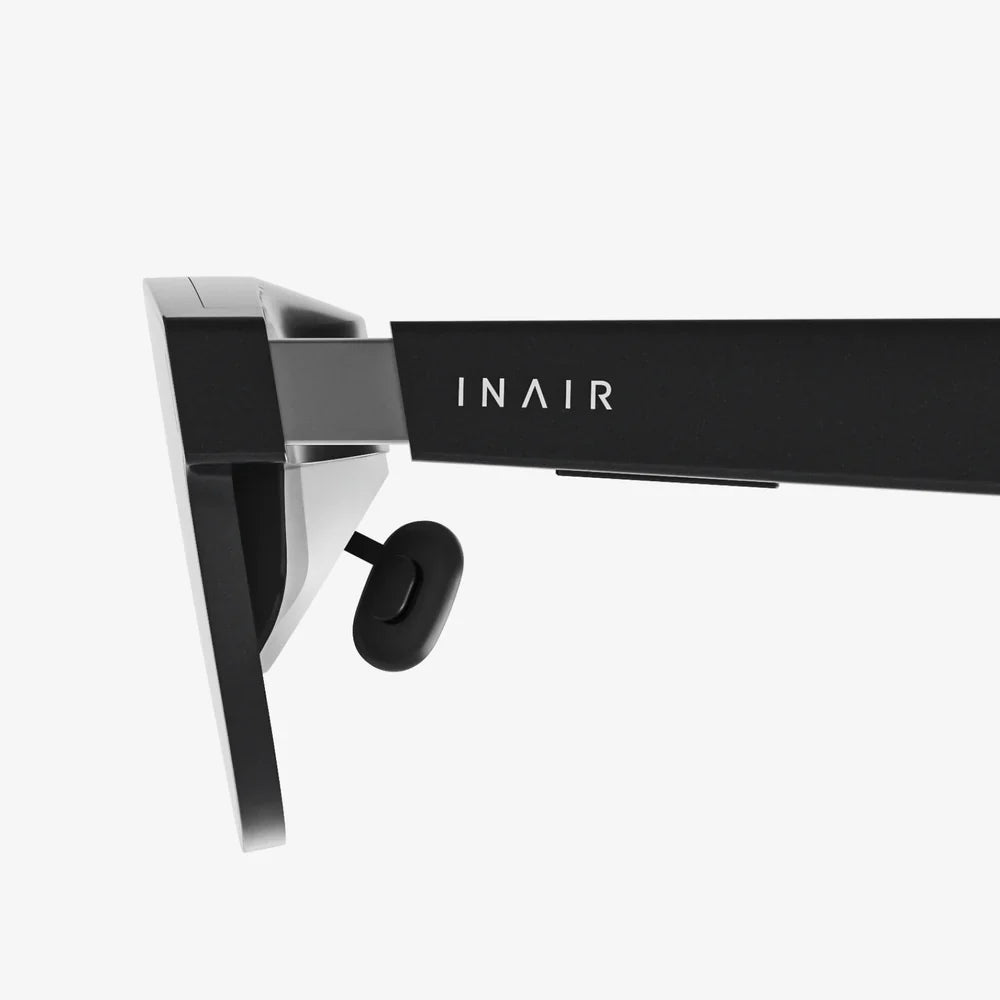
Imagine stepping through a digital portal directly from your physical workspace into a boundless virtual universe, all without a single bulky cable tethering you to reality. This isn't a scene from a sci-fi blockbuster; it's the promise being reshaped by the latest Windows 11 Mixed Reality Link news, a development quietly revolutionizing how we interact with the digital dimension. The whispers and official announcements surrounding this platform are more than just incremental updates; they are the foundational cracks of a paradigm shift, signaling a move towards a truly seamless and integrated mixed reality future. For anyone with a stake in technology, from the curious consumer to the enterprise innovator, understanding these shifts is paramount to navigating the next wave of computing.
The Evolutionary Leap: From Niche Experiment to Mainstream Ambition
The story of mixed reality on the Windows platform has been one of steady, if sometimes understated, evolution. The initial foray established a framework, a proof of concept that blending the real and the virtual was possible. However, it often required a specific set of hardware, a maze of cables, and a degree of technical patience that placed it firmly in the domain of early adopters and developers.
Windows 11 represents a conscious effort to break down these barriers. The operating system itself was built with a new era of computing in mind, one that prioritizes flexibility, security, and connectivity. Mixed Reality Link is a critical component of this vision. Recent updates and news indicate a strong push towards refining the user experience, making it more intuitive, stable, and, crucially, more accessible. The focus has shifted from simply making it work to making it work beautifully and effortlessly.
This evolution is characterized by several key areas of development. Enhanced graphics fidelity ensures virtual environments are more convincing and less taxing on the system. Improved hand-tracking and controller responsiveness reduce the latency that can break immersion. But perhaps the most significant news revolves around the concept of 'Link' itself—the bridge between the physical machine and the virtual world, which is becoming faster, more reliable, and capable of handling higher resolutions.
Unpacking the "Link": The Technical Magic Behind the Scenes
At its core, the 'Link' in Windows 11 Mixed Reality Link is the sophisticated pipeline that transmits vast amounts of data between your computer and your headset. Think of it not as a simple cable, but as a high-speed data freeway. Recent advancements have been focused on widening this freeway and making the traffic flow more efficiently.
One of the most critical pieces of news involves the adoption of newer, more efficient video codecs. These codecs are like advanced compression algorithms that package visual information to be sent over the connection with minimal loss of quality. This means users can experience sharper images and smoother motion without requiring impossibly high bandwidth, a crucial factor for both wired and wireless solutions.
Furthermore, the software layer governing this link has seen significant optimization. The Windows Mixed Reality platform now better manages system resources, prioritizing the VR/AR experience to prevent background processes from causing stutters or drops in frame rates. This results in a more stable and comfortable experience, which is essential for prolonged use, whether for work or play. The reduction of 'motion-to-photon' latency—the delay between moving your head and the image updating—is a relentless focus, as it is the primary culprit for VR-induced discomfort.
A World Without Wires: The Wireless Future Beckons
While a high-quality wired connection offers unparalleled stability and performance, the true freedom of mixed reality lies in cutting the cord. Significant Windows 11 Mixed Reality Link news has centered on bolstering wireless capabilities. The platform is increasingly designed to leverage high-performance wireless protocols, allowing users to stream immersive content from their PC to a headset with minimal perceptible lag.
This wireless ambition relies on a symbiotic relationship between software and hardware. The software must be incredibly efficient, as discussed, to minimize the data burden. On the hardware side, it requires robust home networks, often utilizing dedicated frequency bands to avoid interference. The news suggests a future where setting up a wireless MR experience is as simple as connecting a Bluetooth speaker, moving it from a complex technical task to a simple user-friendly operation.
This liberation from cables is not just a convenience; it's a transformation of the experience. It enables users to physically turn, walk, and explore virtual spaces without the constant subconscious awareness of a tether. This unlocks the full potential of room-scale VR and makes AR applications that move with you through your physical environment far more practical and powerful.
Beyond Gaming: The Enterprise and Productivity Revolution
While gaming is the most visible application, the most impactful Windows 11 Mixed Reality Link news may be happening in the enterprise sector. The modern workplace is increasingly hybrid and distributed, and mixed reality offers profound tools for collaboration and visualization.
Imagine architects and engineers walking through full-scale 3D models of their designs before a single foundation is poured. Medical students practicing complex procedures on virtual cadavers. Remote colleagues from across the globe meeting in a shared virtual boardroom, interacting with 3D data models as if they were physical objects in the room. This is the promise of enterprise mixed reality.
Windows 11, with its enhanced security features and enterprise management capabilities, is positioning itself as the ideal platform for this shift. The reliability of the Mixed Reality Link is paramount here; a dropped connection during a crucial surgical simulation or a client presentation is unacceptable. The recent developments in stability and performance are directly aimed at making MR a viable, mission-critical tool for business, not just an entertainment novelty.
The Metaverse Connection: Building the Plumbing for a Digital Universe
It is impossible to discuss any mixed reality news without touching upon the concept of the metaverse. While the term is often overhyped, it fundamentally describes a persistent network of shared digital spaces. Windows 11 Mixed Reality Link can be viewed as the essential 'plumbing' that connects individual users to these spaces.
The platform doesn't create the metaverse itself, but it provides a standardized, high-fidelity portal to access it. By refining the link, Microsoft is ensuring that users running on its ecosystem have a premium, comfortable, and secure gateway into these emerging digital worlds. The news of deeper operating system integration suggests a future where jumping into a metaverse experience is as seamless as joining a video call is today—a native function of the computing environment.
This approach stands in contrast to more closed ecosystems. The vision appears to be an open one, where the Windows platform can serve as a powerful home base for accessing a wide array of virtual experiences and applications, much like a web browser gives access to the entire internet.
Challenges and Considerations on the Road Ahead
Despite the exciting news, the path forward for Windows 11 Mixed Reality Link is not without its challenges. Hardware compatibility remains a key consideration. While the platform aims for broad accessibility, ensuring a consistently good experience across a vast spectrum of PC configurations is a monumental task. Users need clear guidance on what hardware is required to power these immersive experiences effectively.
Another significant hurdle is accessibility, both in terms of cost and user-friendliness. High-end headsets and the powerful PCs needed to run them represent a substantial investment. The long-term success of the platform depends on the ecosystem becoming more affordable and the setup process becoming utterly foolproof. The news focusing on software optimization is a key step in lowering the hardware bar, making compelling MR available to more people.
Finally, there is the challenge of content. The most robust platform is meaningless without compelling applications. Encouraging developers to create rich, engaging experiences for productivity, design, education, and entertainment is the final piece of the puzzle. A strong and stable Mixed Reality Link provides the foundation upon which this content can be built and enjoyed.
Looking Forward: What the Horizon Holds
The constant stream of Windows 11 Mixed Reality Link news points to a future that is increasingly immersive and interconnected. We can anticipate several trends. First, deeper AI integration will make interactions more natural—think voice commands and gesture controls that feel intuitive rather than clunky. Second, we will see the boundaries between physical and digital spaces blur even further with advanced passthrough AR, allowing digital objects to interact more convincingly with your real-world environment.
The hardware will also continue to evolve. Lighter, more comfortable headsets with higher-resolution displays and wider fields of view will become the standard, all demanding an even more efficient and powerful 'Link' from the host PC. The news we see today is laying the groundwork for this next generation of hardware, ensuring the software platform is ready to harness its full potential.
Ultimately, the goal is to make mixed reality a mundane, useful part of everyday computing, not a specialized niche. It will become another set of screens and interfaces we use alongside our monitors, keyboards, and touchscreens, chosen for the task at hand.
The digital frontier is no longer a distant promise on the horizon; it's loading just on the other side of your screen, waiting for a link to be established. With every update and refinement to the Windows 11 Mixed Reality platform, the door swings open a little wider, the connection grows stronger, and the line between what's real and what's possible becomes thrillingly, beautifully blurred. The next time you put on a headset, you won't just be putting on a device; you'll be stepping into the next chapter of how we live, work, and connect, and it's a story that's only just beginning to be written.
Share:
Computer Human Interaction: The Invisible Language Shaping Our Digital Existence
Glasses With Earphones: The Ultimate Fusion of Audio and Eyewear