


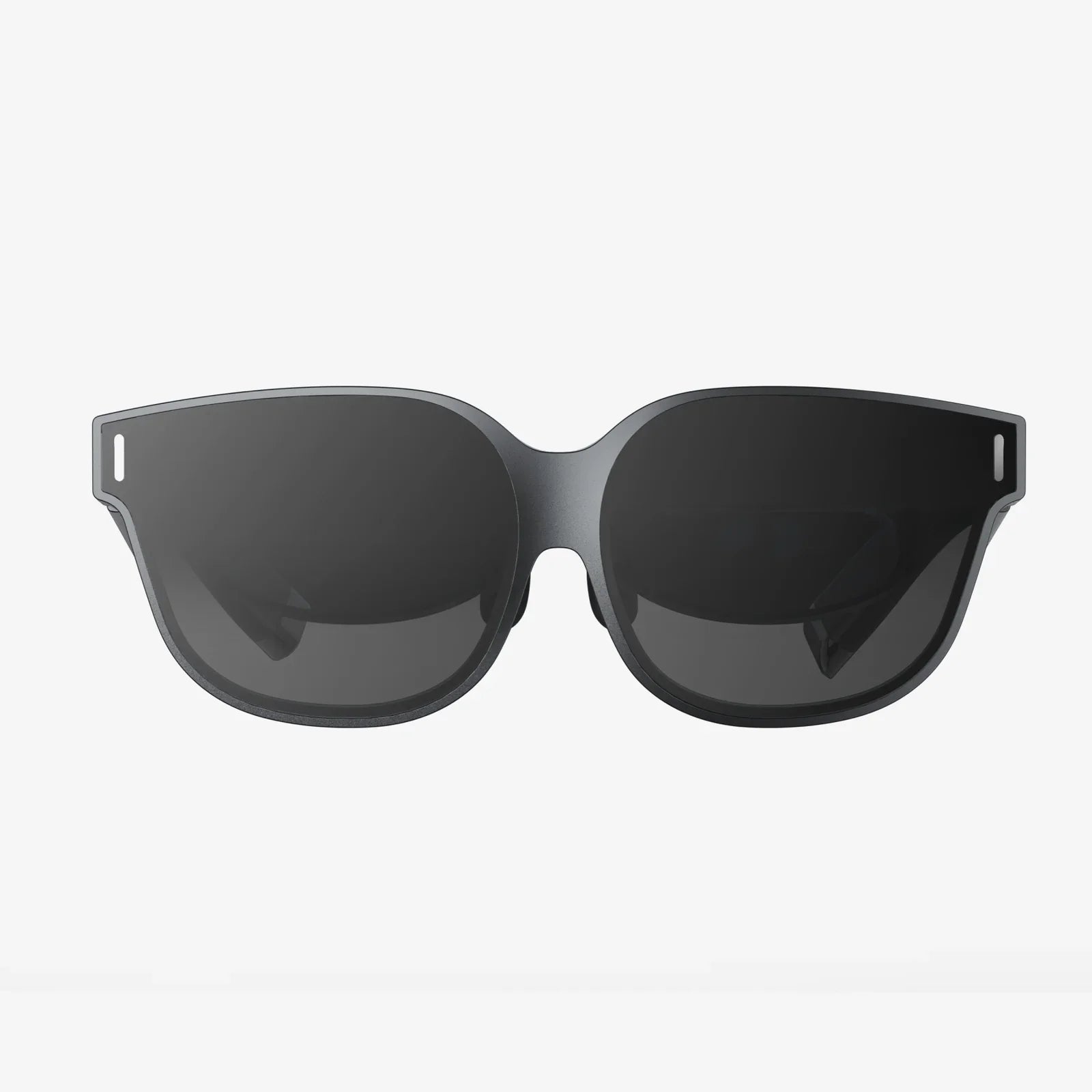
Imagine a world where the boundaries between the digital and the physical dissolve, where you can traverse alien landscapes, sculpt in three dimensions with your bare hands, or sit across a virtual table from a loved one who is miles away. This is the promise of virtual reality, a technological revolution hinging on a single, crucial piece of hardware: the headset. The quest to find good VR headset brands is more than just a shopping list; it's a journey into the heart of immersive computing, a decision that will define your portal to new realities. The market is bustling, the technology is advancing at a breakneck pace, and understanding the landscape is the first step toward unlocking these incredible experiences.
The Pillars of a Superior VR Experience
Before diving into the ecosystem of manufacturers, it's essential to understand the core attributes that separate a mediocre headset from a truly exceptional one. These are the pillars upon which good VR headset brands build their reputations.
Visual Fidelity: The Window to Another World
The quality of the display is paramount. It's the primary conduit for immersion. Key factors include:
- Resolution and Pixel Density (PPI): Higher resolutions, such as those approaching 4K per eye, drastically reduce the "screen door effect," where users can see the gaps between pixels, making the virtual world appear sharp and lifelike.
- Refresh Rate: Measured in Hertz (Hz), a higher refresh rate (90Hz, 120Hz, and beyond) ensures smooth motion, reduces latency, and is critical for preventing motion sickness and maintaining comfort during extended sessions.
- Lens Technology: Advanced lens designs, like Fresnel or pancake lenses, provide a wider sweet spot, reduce god rays (unwanted visual artifacts), and offer a clearer, more uniform picture across the entire field of view.
- Field of View (FoV): A wider FoV, typically above 100 degrees, increases the sense of presence by mimicking human peripheral vision, making the virtual environment feel less like looking through binoculars.
Tracking and Controllers: Your Hands in the Virtual Space
Precise tracking is what allows you to interact intuitively with the virtual world. There are two primary methodologies:
- Inside-Out Tracking: Cameras mounted on the headset itself track the environment and the controllers, eliminating the need for external base stations or sensors. This offers fantastic ease of setup and portability, making it a hallmark of many modern, consumer-friendly systems.
- Outside-In Tracking: External sensors placed around the room precisely track LEDs on the headset and controllers. This method is often hailed for its unparalleled accuracy and low latency, especially critical for competitive gaming and professional applications, though it sacrifices some convenience.
The design and haptic feedback of the controllers themselves are equally important. Ergonomic, intuitive controllers with finger-tracking capabilities and realistic haptics can make the difference between feeling like you're holding a tool and feeling like you're using your actual hands.
Comfort and Design: Forgetting You're Wearing a Headset
The best visual experience is worthless if the headset is too uncomfortable to wear for more than a few minutes. Good VR headset brands invest heavily in ergonomics:
- Weight Distribution: A well-balanced headset that doesn't put excessive pressure on the cheeks or bridge of the nose is essential. Counterweights and rigid head straps are common solutions.
- Materials and Ventilation: Plush, breathable facial interfaces (often made of hypoallergenic foam or silicone) and adequate airflow prevent heat buildup and make long play sessions or workdays possible.
- IPD Adjustment: The ability to physically adjust the distance between the lenses (Interpupillary Distance) ensures a clear image for a wide range of users, preventing eye strain and headaches.
Audio: The Unseen Hand of Immersion
Spatial, 3D audio is a non-negotiable component of presence. Hearing a sound and instinctively knowing its location behind you, above you, or in the distance completes the illusion. Many leading headsets integrate high-quality, off-ear or built-in headphones designed specifically for this purpose, while others provide premium audio jacks for personal headphones.
The Contenders: Exploring the Categories of VR Brands
The VR market is not monolithic. Different manufacturers target different segments, from casual users and gamers to enterprise professionals. Good VR headset brands often excel in one or more of these categories.
The Tech Titan: The All-in-One Ecosystem Pioneer
One of the most recognized names in the space is a social media behemoth that made a monumental bet on the future of VR. This brand is synonymous with the concept of the "metaverse" and has driven the market toward standalone, all-in-one headsets. Their strategy is one of vertical integration: they control the hardware, the software platform, and the primary storefront. This allows for a seamless, user-friendly experience where everything "just works" right out of the box. Their devices are known for strong inside-out tracking, a massive and accessible library of games and experiences, and a relentless focus on making VR approachable for the masses through frequent, iterative hardware updates. For many, this brand is the gateway into VR.
The Gaming Powerhouse: The High-Fidelity Specialist
For PC gamers and enthusiasts who demand the absolute highest fidelity, a famous gaming peripheral company stands out. This brand approaches VR from a heritage of premium PC gaming. Their headsets are often considered the gold standard for visual clarity, performance, and precision tracking. They typically utilize the outside-in tracking method, requiring external base stations for millimeter-accurate controller and headset positioning. This makes them the preferred choice for competitive VR esports, detailed simulation games, and users with powerful gaming computers. While their setup process is more involved and the cost of entry is higher, they represent the pinnacle of PC-powered VR performance.
The Smartphone Giant: The Standalone Hybrid
A leader in mobile technology has also thrown its hat into the ring with a unique offering. Their headset is a high-end standalone device that can also function as a PC-powered headset, offering users the best of both worlds. It boasts incredibly sharp displays, advanced pancake lenses for a compact form factor, and robust inside-out tracking. What sets this brand apart is its deep integration with a vast existing ecosystem of mobile apps and services, positioning the headset not just as a gaming device but as a tool for productivity, social connection, and media consumption. It appeals to professionals and creatives looking for a versatile device that excels beyond gaming.
The Enterprise Innovator: The Professional's Choice
Beyond consumer gaming, VR has profound applications in enterprise, training, design, and healthcare. Several brands focus primarily on this professional market. These headsets are engineered for durability, comfort during long work hours, and exceptional resolution for reading text and examining fine details. They often feature advanced eye-tracking technology (for foveated rendering and user analytics), integrated lip-up cameras for mixed reality passthrough, and top-tier ergonomics. While their price points are significantly higher and their content libraries are geared toward professional applications, they represent the cutting edge of what the technology can achieve in a corporate or institutional setting.
Beyond the Hardware: The Software and Ecosystem
A headset is merely a vessel; it is the software and content that give it life. Good VR headset brands are supported by vibrant ecosystems.
- Content Libraries: The availability of high-quality games, creative applications, social platforms, and experiential content is crucial. A walled-garden approach offers curated ease, while a more open platform allows for greater experimentation and access to stores like SteamVR.
- Social Features: VR is increasingly social. Robust platforms for meeting, collaborating, and playing with others are a major draw and a key differentiator for some brands.
- Roadmap and Support: A company's commitment to its platform is evident in its frequency of software updates, introduction of new features, and longevity of support for older hardware models.
Navigating Your Choice
Selecting from among the good VR headset brands is a personal decision that depends heavily on your individual needs, budget, and existing technology.
- The Casual User & Newcomer: An affordable, easy-to-use standalone headset from the ecosystem pioneer is often the ideal starting point, offering a low barrier to entry and a huge library of content.
- The PC Gaming Enthusiast: If you own a powerful gaming computer and crave the highest performance and fidelity, the high-fidelity specialist's offerings are worth the investment and setup complexity.
- The Professional or Creator: For architectural visualization, 3D modeling, or enterprise training, investigating the specs and software compatibility of professional-focused headsets is essential.
- The Tech-Obsessed Early Adopter: Those who want a versatile device that blends standalone convenience with PC power might gravitate towards the hybrid model offered by the smartphone giant.
The echo of a virtual sword clashing against armor, the profound silence of a digital art gallery you can walk through, the triumphant feeling of solving a puzzle by physically manipulating the environment—these moments are no longer science fiction. They are experiences waiting on the other side of a lens, powered by the relentless innovation of companies competing in this dynamic space. The question is no longer if you will step through, but which gateway you will choose. Your next reality is closer than you think, and it's being built by good VR headset brands today.
Share:
Black How Much Is a VR Headset - The Ultimate Price and Value Breakdown
Use Your Phone as VR Headset for PC: The Ultimate Guide to High-Immersion, Low-Cost Virtual Reality