


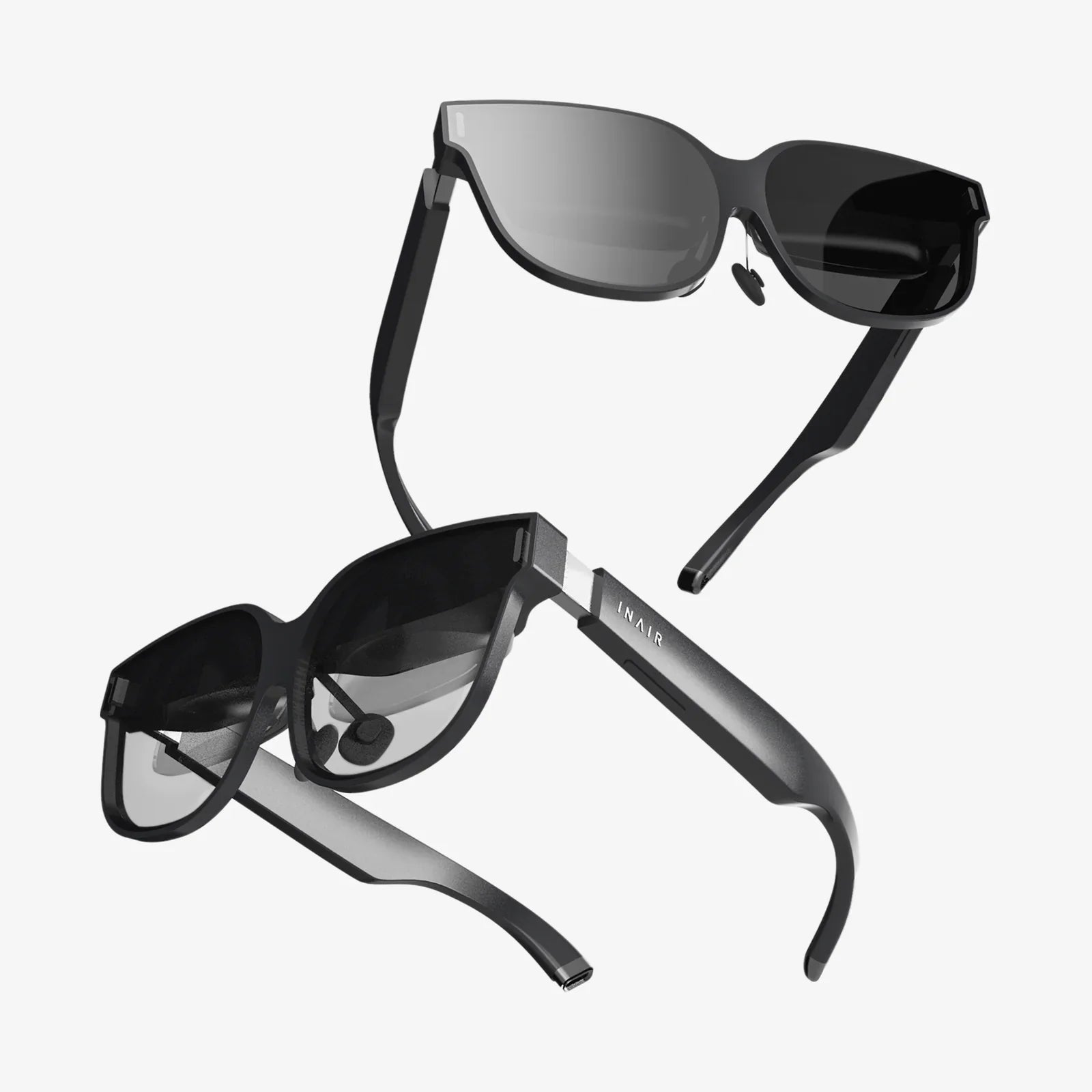
You've typed those words into a search bar, a simple query that holds the key to unlocking entirely new worlds, from fantastical gaming landscapes to virtual meeting rooms and breathtaking cinematic experiences. The question of cost is the gatekeeper, and the answer is far more nuanced than a single number. The journey into virtual reality is one of the most exciting technological adventures available today, but navigating the price points requires a savvy understanding of what you're truly investing in. Let's demystify the market and break down exactly what you get for your money when you decide to purchase a VR headset.
Decoding the Price Spectrum: It's Not Just a Peripheral
Unlike buying a standard computer monitor or a set of speakers, purchasing a VR headset is akin to buying a new console or even a specialized computer. The price isn't just for a screen you wear on your head; it's for a sophisticated system of lenses, sensors, processors, and controllers designed to trick your brain into believing you're somewhere else. This is why the cost can range from the very accessible to the profoundly premium.
The market is generally segmented into three distinct tiers, each catering to different needs, budgets, and levels of technical expertise.
The Budget-Conscious Tier: Mobile and Standalone Entry Points
For many, this is the most tempting entry point into VR. Headsets in this category are often self-contained, meaning they don't require a connection to a powerful computer or a games console. They have their own built-in processors, displays, and batteries.
What You're Paying For: Convenience and accessibility. These devices are designed for ease of use. You can power them on and be in a virtual environment within seconds. They are perfect for experiencing 360-degree videos, trying out casual social VR applications, and playing less graphically intensive games. The initial purchase price is typically all-inclusive, though some may offer optional accessories.
Defining Features:
- All-in-one design (no external devices needed).
- Inside-out tracking (cameras on the headset track the controllers).
- Limited processing power compared to tethered systems.
- A curated, often closed, software ecosystem.
The price for a quality standalone headset can be surprisingly low, often comparable to a modern games console. This makes it an excellent gift or a low-risk way to determine if VR is something you and your family will enjoy long-term.
The High-Fidelity Tier: Tethered PCVR Headsets
This is where virtual reality transforms from a novel experience into a genuinely transformative one. Tethered headsets are connected via a high-speed cable to a powerful gaming computer that acts as the engine. The headset itself is essentially a high-resolution display and tracking device, offloading the intense graphical processing to the PC.
What You're Paying For: Unmatched performance, visual fidelity, and depth of experience. This tier is for enthusiasts, hardcore gamers, and professionals. The games and applications are far more complex, detailed, and immersive. We're talking about vast, photorealistic environments, sophisticated physics simulations, and professional-grade creative and design software.
The Hidden Cost: The headline price of the headset itself is only part of the equation. To run one of these devices, you need a capable computer with a powerful graphics card, a fast processor, and ample RAM. This can easily double or triple the total investment required. For those who already own a high-end gaming rig, the barrier to entry is just the headset. For everyone else, the total system cost must be considered.
Defining Features:
- Superior display resolution, refresh rate, and field of view.
- External tracking systems or advanced inside-out tracking for precision.
- Access to open platforms with a vast library of intense, graphically rich software.
- Often more comfortable for extended use, with better weight distribution.
The headsets in this category represent the current cutting edge of consumer VR technology, and their prices reflect that. You are investing in the highest-quality experience available on the market.
The Hybrid and Console Tier: The Best of Both Worlds?
Bridging the gap between the two previous tiers is a unique category: the console-based hybrid. One dominant player has successfully created a device that functions as a standalone unit but can also be connected to a popular games console to access a separate library of more powerful, exclusive titles.
What You're Paying For: Versatility and a guaranteed quality standard. The standalone mode offers the convenience and wireless freedom of the budget tier, while the tethered mode provides a curated, high-quality experience powered by the console. The console itself is a fixed cost, much lower than a high-end gaming PC, which makes the total system price more predictable and manageable for many households.
This model offers a compelling proposition: two distinct VR experiences in one device, appealing to both casual users and dedicated gamers within the same ecosystem.
Beyond the Headset: The True Cost of Ownership
The price tag on the box is just the beginning. To understand the full financial commitment, you must consider the ecosystem and long-term costs.
The Software Library: Building Your Virtual Collection
A headset is a empty vessel without software. Major titles, especially on the PCVR and console-hybrid platforms, are priced similarly to standard AAA video games. While there are many free experiences and cheaper indie titles, the most acclaimed and desired games will be a significant ongoing expense. Budgeting for software is crucial.
Essential and Optional Accessories
To enhance comfort and immersion, you might find yourself investing in accessories:
- Additional Face Interfaces: Foam replacements for hygiene and comfort, especially in shared or demo settings.
- Premium Headstraps: Many entry-level headsets come with a simple elastic strap. A rigid, halo-style strap can drastically improve comfort during long sessions.
- Rechargeable Batteries: For controllers that use disposable batteries, a good set of rechargeables is a must.
- Link Cables and Wireless Adapters: For tethered PCVR, a longer or higher-quality fiber-optic cable can improve freedom of movement. Some systems offer official wireless adapters for a premium, cord-free experience.
- VR Covers and Grips: Silicone covers for controllers improve grip and protect them from damage.
- Pulley Systems: For tethered PCVR, ceiling pulleys can manage the cable and prevent tripping.
These costs add up and should be factored into your overall budget.
The Hardware Tax: The PC Requirement
As mentioned, the PCVR tier has the largest hidden cost. The recommended specifications for a smooth experience are consistently high. A computer that is just a few years old may struggle. Before committing to a tethered headset, check the specific system requirements and honestly assess if your current PC meets them. If not, the cost of a new GPU or a full system upgrade must be included in your decision-making process.
Justifying the Investment: What Are You Really Buying?
When you move past the price and ask about value, the perspective shifts. You're not just buying a gadget; you're investing in new forms of entertainment, connection, and creativity.
- A New Social Space: VR has become a powerful social platform where you can meet friends, attend live events, and collaborate with colleagues in a shared virtual space, feeling a sense of presence that video calls cannot replicate.
- Unprecedented Fitness: VR fitness apps have turned exercise into an engaging game, making workouts fun and motivating, a value that can offset gym memberships.
- Expanded Gaming: It offers a fundamentally new way to play games, placing you inside the world rather than having you look at it through a window.
- Creative and Educational Tools: From 3D sculpting and painting to virtual tourism and anatomical exploration, the applications for learning and creation are vast and growing.
The value proposition is unique to each user. For a fitness enthusiast, a headset might pay for itself in saved membership fees and gained motivation. For a remote worker, the value is in improved collaboration. For a gamer, it's the pinnacle of immersion.
Making the Right Choice for Your Budget
So, how much is a VR headset? The answer is a question in return: What do you want to do with it?
For the Curious Newcomer or Family: A standalone headset offers the lowest risk and a fantastic introduction to VR. The price is a one-time, all-inclusive fee for a world of fun and experimentation.
For the Dedicated Gamer with a Powerful PC: The investment in a tethered PCVR headset is justified by the unparalleled quality and depth of experiences. This is the premium path for those who want the very best.
For the Console Gamer Seeking a Unified Ecosystem: The hybrid model provides a brilliant balance of convenience and quality, leveraging an existing console investment for a top-tier experience.
Ultimately, the market has never been more diverse. There is a point of entry for nearly every budget, and the experiences on offer provide value that often far exceeds the initial sticker shock. The question is no longer if you can afford to try VR, but which incredible virtual world you can't afford to miss out on. The real cost of a VR headset isn't just measured in dollars; it's measured in the experiences it unlocks, and that value is, for many, absolutely priceless.
Share:
How to Setup a VR Headset for PC: The Ultimate Step-by-Step Guide
Good VR Headset Brands: A Deep Dive into the Virtual Frontier