


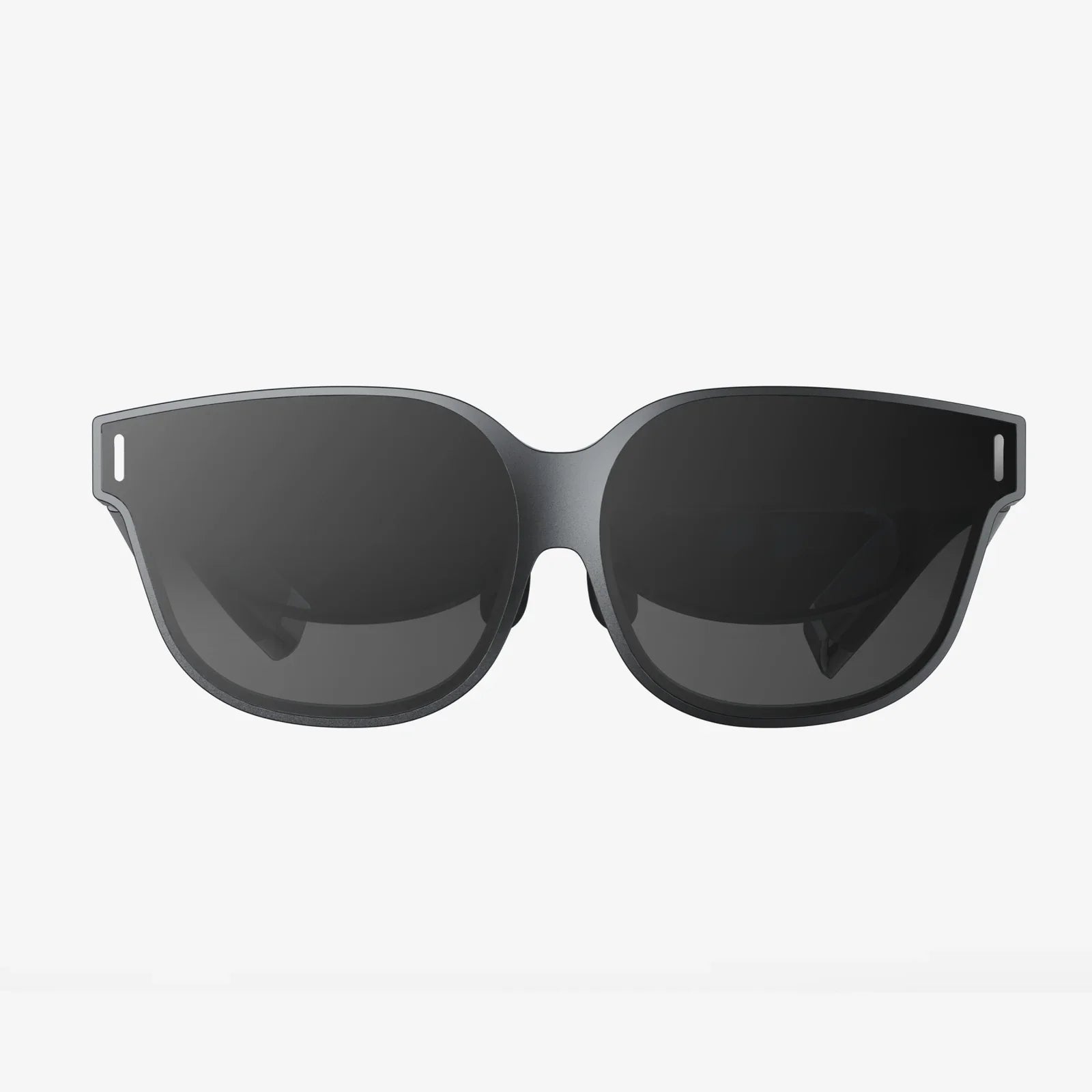
Imagine slipping on a device and instantly being transported to another world—scaling Everest, exploring the depths of the ocean, or designing a skyscraper from the ground up. This is no longer the stuff of science fiction; it's the tangible, breathtaking reality offered by a great VR headset. The journey into virtual reality is one of the most exciting technological adventures of our time, and it all begins with choosing the right portal. But what exactly separates a forgettable gadget from a truly transformative piece of technology? Let's dive deep into the core elements that define a superior virtual reality experience.
The Pillars of Immersion: What Truly Defines a Great VR Headset
At its heart, a great VR headset is not defined by a checklist of specs but by its ability to create a convincing and comfortable alternate reality. This magic is woven from several critical components working in perfect harmony.
Visual Fidelity: The Window to Another World
The screen is your eyes into the virtual realm, and its quality is paramount. A high-resolution display is the first step, but it's far from the only factor. Two key metrics separate the good from the great:
- Pixel Per Degree (PPD): This measures the sharpness and clarity of the image. A higher PPD means a clearer picture with less visible "screen door effect" (the faint grid lines between pixels), allowing for deeper immersion without visual distractions.
- Refresh Rate: Measured in Hertz (Hz), a high refresh rate (90Hz and above) is crucial for smooth motion. It reduces latency—the delay between your head moving and the image updating—which is a primary culprit for motion sickness. A great headset makes movement feel instantaneous and natural.
Precision Tracking: Moving with You, Not Against You
For the virtual world to feel real, it must react to your movements with pinpoint accuracy. There are two primary tracking methodologies:
- Inside-Out Tracking: Cameras on the headset itself map the room and track the position of the controllers. This offers a fantastic, cable-free setup with no external sensors to install, making it highly accessible and user-friendly.
- Outside-In Tracking: External sensors or base stations placed around the room precisely track the headset and controllers. This method is often hailed for its millimeter accuracy, especially critical for competitive gaming and professional applications where every millimeter counts.
A great VR headset implements one of these systems flawlessly, ensuring your virtual hands and body move exactly as you do, without jitter or drift.
Ergonomics and Comfort: Designed for Long Journeys
Immersion shatters the moment you become acutely aware of a heavy, awkward device strapped to your face. Superior design prioritizes comfort through:
- Weight Distribution: A well-designed headset doesn't just rest on the bridge of your nose. It uses a balanced strap system (often a rigid halo or flexible strap with a counterweight) to distribute weight evenly across the head.
- Materials: Plush, breathable facial interfaces, often made from hypoallergenic foam or silicone, prevent heat buildup and pressure points, allowing for extended play or work sessions.
- Adjustability: Easy-to-use dials for interpupillary distance (IPD)—the space between your pupils—and lens distance ensure a clear image tailored to your unique physiology.
Audio: The Unseen Hand of Presence
Sound is half the experience. Spatial audio, or 3D audio, is a non-negotiable feature. It uses advanced algorithms to simulate how sound waves interact with the human ear, making noises seem to come from specific points in the 3D space around you. The rustle of leaves will sound like it's behind you, and an approaching enemy's footsteps will grow louder from the correct direction. Integrated headphones or high-quality built-in speakers that deliver this immersive audio are a hallmark of a great headset.
Beyond the Specs: The Intangible Feel of Quality
Beyond the hardware, the software and ecosystem play an equally vital role. A great VR headset is backed by a robust and curated platform. This includes a vast library of high-quality content, from AAA games and creative tools to social hubs and fitness applications. Intuitive user interfaces make navigating this digital space a pleasure, not a chore. Furthermore, strong developer support ensures a steady stream of innovative and optimized software that continues to push the boundaries of what's possible.
A Universe of Applications: More Than Just Games
While gaming is the most famous application, a great VR headset is a versatile tool that unlocks potential across numerous fields.
Revolutionizing Education and Training
Imagine medical students performing intricate virtual dissections, mechanics training on the internal systems of a jet engine, or history students walking through ancient Rome. VR provides a safe, scalable, and incredibly effective platform for experiential learning, drastically improving knowledge retention and skill acquisition.
Transforming Social Connection and Collaboration
Social VR platforms allow people to meet, interact, and collaborate as if they were in the same room, regardless of physical distance. Attending a virtual concert with friends' avatars, brainstorming in a 3D design space with international colleagues, or simply hanging out in a virtual world redefines the concept of togetherness.
Unlocking New Avenues for Creativity and Design
Artists are painting in 3D space, architects are walking clients through unbuilt homes, and sculptors are molding digital clay with their hands. VR provides an intuitive and immersive canvas that breaks down the barriers between the creator and their creation.
Enhancing Fitness and Well-being
VR fitness applications turn exercise into an engaging adventure. From rhythm games that provide a full-body cardio workout to guided meditation apps that transport you to a serene beach, a great headset can be a powerful tool for physical and mental health.
Gazing into the Crystal Ball: The Future of VR Headsets
The evolution is rapid and thrilling. The future of great VR headsets points towards even greater miniaturization, eventually evolving towards sleek glasses-like form factors. Key advancements on the horizon include:
- Varifocal Lenses: Lenses that dynamically adjust to where your eyes are focused, mimicking real-world vision and reducing eye strain.
- Haptic Feedback: Advanced controllers and even full-body suits that provide tactile sensation, allowing you to "feel" virtual objects.
- Eye and Face Tracking: Cameras that track eye movement and facial expressions, enabling more natural and expressive avatars in social settings and more intuitive game interactions (e.g., menus that select where you look).
- Full Color Passthrough AR: High-resolution cameras that blend the real world with the virtual, creating a seamless mixed-reality experience for productivity and new forms of play.
These innovations will further blur the line between the digital and the physical, making the experience offered by a great VR headset even more compelling and indispensable.
Finding Your Perfect Gateway
Choosing the right headset is a personal journey. Consider your primary use case: are you a hardcore gamer, a fitness enthusiast, a creative professional, or a curious explorer? Your priorities for display quality, tracking accuracy, and content library will vary accordingly. Establish a realistic budget, as prices can range from very accessible to professional-grade investment. Most importantly, if possible, try before you buy. The subjective feel of comfort and the wow factor of immersion are best judged firsthand.
The quest for a great VR headset is ultimately a quest for a new way to see, interact with, and understand the world around us—and worlds beyond. It's a piece of technology that doesn't just sit on a desk; it fits on your face and expands your mind. The virtual frontier is vast, uncharted, and bursting with potential. With the right key in hand, you're not just buying a device; you're unlocking a universe of experiences waiting to be lived. Your adventure is just a headset away.
Share:
Best VR Headset Under $50: Your Ultimate Guide to Affordable Immersion
What VR Headset Does: A Deep Dive Into the Gateway to Digital Realities