


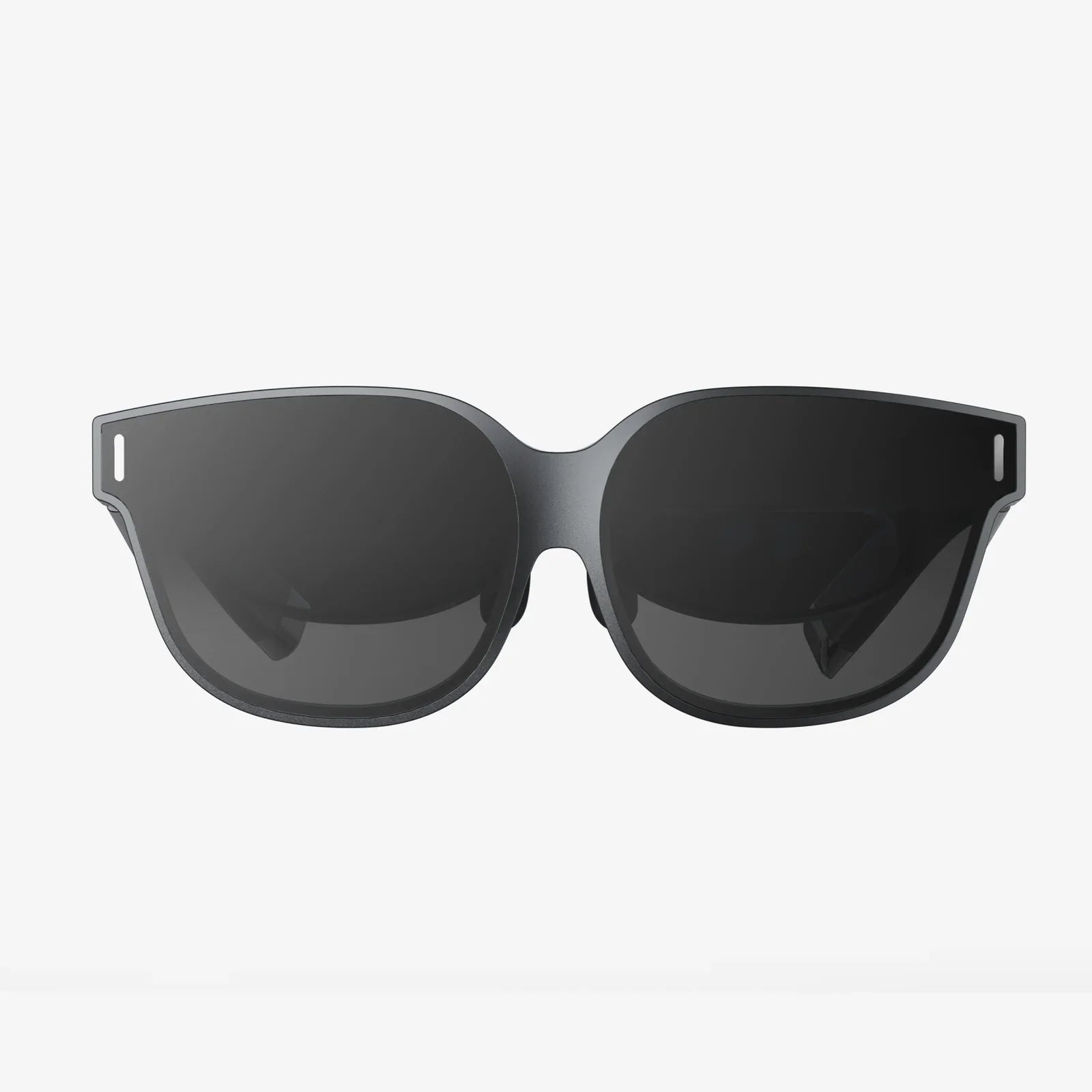
Imagine strapping on a headset and instantly being transported to the edge of a volcano, the front row of a concert, or the cockpit of a starfighter—all without emptying your wallet. The dream of affordable virtual reality is no longer a fantasy. For many, the gateway to these incredible experiences isn't a high-end, tethered device costing hundreds of dollars, but the surprisingly versatile and accessible world of the best VR headsets under $50. This isn't about compromising; it's about smart, entry-level immersion that opens up a universe of possibility to everyone.
Setting Realistic Expectations: What Can $50 Really Buy?
Before we dive into the specifics, it's crucial to calibrate your expectations. A VR headset in this price category operates on a fundamentally different principle than its premium counterparts. Understanding this distinction is key to satisfaction.
You are entering the realm of mobile VR. Unlike PC-powered or standalone headsets with their own internal processors, screens, and advanced tracking systems, the best VR headset under $50 is essentially a sophisticated "shell" or "holder" for your smartphone. Your phone's screen becomes the display, its gyroscope and accelerometer handle head tracking, and its processor powers the entire experience. This elegant solution is what makes such aggressive pricing possible.
So, what does this mean for your experience?
- Visual Quality is Tied to Your Phone: The clarity, resolution, and potential for screen-door effect (seeing the gaps between pixels) are directly dependent on your smartphone's display quality. A flagship phone will provide a markedly better visual experience than an older budget model.
- 6 Degrees of Freedom (6DoF) vs. 3 Degrees of Freedom (3DoF): This is the most significant technical difference. Premium VR systems offer 6DoF, meaning they track your head's rotation and its positional movement in space (leaning side-to-side, ducking, moving forward). Headsets in this budget range almost exclusively offer 3DoF, tracking rotation (looking up, down, left, right) but not positional movement. This is perfect for consuming 360° media and many games but limits interaction in more complex virtual environments.
- Content is Mobile-Centric: You will be accessing experiences through your phone's app store (Google Play or Apple App Store). The library consists of mobile VR games, 360° videos, and dedicated VR apps. You won't be playing graphically intensive, PC-native VR titles.
Setting these expectations isn't a criticism; it's a framework for appreciation. When judged on its own terms, the value proposition is astounding. For the price of a single video game, you gain access to an entire platform for immersive media and entertainment.
Key Features to Prioritize in a Budget VR Headset
Not all budget headsets are created equal. Several critical design elements separate the good from the unusable. When searching for the best VR headset under $50, here’s your essential checklist:
1. Comfort and Adjustability
This is arguably the most important factor. A headset that is uncomfortable will not be used, regardless of its other features.
- Head Strap Design: Look for an adjustable, triple-strap design (over the head and side straps) rather than a simple single strap. This distributes weight more evenly and prevents the headset from sliding down your face. Padded straps are a major plus.
- Weight Distribution: The headset should feel balanced on your face, not front-heavy. A well-designed strap system is crucial for this.
- Padding: Generous, soft, and replaceable foam padding around the eyes and nose bridge is essential for extended comfort and hygiene, especially if multiple people will be using it.
2. Lens Quality and Adjustment
The lenses are the windows to the virtual world. Poor lenses can ruin the entire experience.
- Material: High-quality, precision-ground optical glass lenses are superior to plastic ones, offering better clarity and reducing distortion, though they are less common in this price range. Acrylic lenses can be good if well-made.
- Interpupillary Distance (IPD) Adjustment: This is the ability to adjust the distance between the two lenses to match the distance between your eyes. Proper IPD alignment is critical for a clear, single-focused image and preventing eye strain. Look for either a physical dial or at least lenses that can be moved laterally.
- Focus Dials: Many headsets feature individual dials for each eye to adjust for nearsightedness or farsightedness, allowing some users to experience VR without their glasses (though this varies by individual prescription).
3. Phone Compatibility and Size
This headset is designed for your phone, so ensuring a perfect fit is non-negotiable.
- Maximum Phone Size: Check the manufacturer's specifications for the maximum phone dimensions (height and width) the headset can accommodate. The best VR headset under $50 will have an adjustable clamping mechanism or a spacious tray to fit a wide range of modern large-screen phones.
- Secure Mounting: The mechanism for holding the phone must be secure. A spring-loaded clip or a padded latch is ideal. You don't want your expensive phone slipping out during an intense game.
- Access to Ports: Can you still access the charging port or headphone jack while the phone is mounted? This is vital for long sessions where you might need to charge or use wired headphones for better audio immersion.
4. Input and Control
How do you interact with the virtual world? While many experiences use head gaze for control, a dedicated controller unlocks the full potential of mobile VR.
- Included Controller: Many top contenders in this price range bundle a simple Bluetooth remote. This is a significant value-add, as purchasing one separately can cost $15-$20. This remote typically features a touchpad, trigger button, and back button, providing a much more intuitive interface than your phone's screen.
5. Ventilation and Fog Resistance
This is an often-overlooked feature. When you first put on a VR headset, the difference in temperature between your face and the lenses can cause them to fog up.
- Ventilation Design: Look for headsets that have strategic vents or channels cut into the housing around the nose area or eyes. This allows air to circulate, equalizing the temperature and drastically reducing lens fog, which is crucial for maintaining immersion.
The Types of Content You Can Enjoy
Your new headset is a portal, but what lies on the other side? The content ecosystem for mobile VR is vast and varied, offering hundreds of hours of entertainment.
- 360° Videos and Photos: This is one of the strongest use cases. Platforms like YouTube have an enormous library of 360° content. You can explore travel destinations, watch music videos as if you're on stage, experience documentaries from the center of the action, or even take virtual tours of real estate.
- VR Games: The Google Play Store and Apple App Store are filled with VR-specific games. From simple roller coaster simulators and shoot-'em-ups to more involved puzzle games and atmospheric adventures, there's something for every taste. While not as complex as PC VR titles, many are incredibly fun and immersive.
- Educational and Experiences Apps: Explore the human body in 3D, visit the international space station, or walk through ancient historical sites. Educational institutions and museums have created fantastic VR apps that make learning truly engaging.
- Virtual Cinema: Apps allow you to simulate watching a movie on a giant screen in a virtual theater, your own private personal cinema. It's a fantastic way to watch standard 2D or 3D movies on a plane or when you want an immersive viewing experience without distractions.
Maximizing Your Experience: Pro Tips for Mobile VR
To ensure you get the most out of your purchase, follow these expert tips:
- Clean Your Phone Screen: Smudges and fingerprints become massively magnified in VR. Always wipe your screen with a microfiber cloth before inserting it into the headset.
- Enable Do Not Disturb: Nothing shatters immersion faster than a text message or notification popping up in the middle of your virtual experience. Enable your phone's "Do Not Disturb" mode.
- Use Wired Headphones: While phone speakers work, a good pair of wired headphones provides spatial, 3D audio that is critical for full immersion. It also prevents audio leakage for those around you.
- Start with Short Sessions: If you're new to VR, ease into it. Start with 15-20 minute sessions to allow your brain (and inner ear) to get accustomed to the experience and avoid simulator sickness.
- Ensure Adequate Lighting: Play in a well-lit room. Many headset tracking systems rely on your phone's sensors, which work best with clear environmental cues. Avoid strobe lights or direct sunlight shining into the headset's lenses, as this can damage your phone's screen.
- Explore and Curate: The app stores can be overwhelming. Look for "Editor's Choice" sections or curated lists for the best-rated and most popular VR apps to find quality content quickly.
Common Pitfalls and What to Avoid
Navigating the budget VR market requires a wary eye. Here are some red flags:
- Unbelievably Low Prices: If a deal seems too good to be true (e.g., a "full VR system" for $10), it almost certainly is. You'll likely receive a flimsy, uncomfortable "Google Cardboard" clone with terrible lenses that will sour you on VR entirely.
- No Adjustments: Avoid headsets that offer no IPD or focus adjustments. They are designed for a hypothetical "average" user and will likely provide a blurry image for many people.
- Poor Reviews Mentioning Comfort: Scrutinize user reviews. If multiple people complain about headaches, discomfort, or the headset not fitting, believe them. Comfort is king.
- Opaque Product Listings: Reputable sellers will provide clear specifications: max phone size, lens type, adjustment ranges, and detailed photos. Vague listings are a major warning sign.
The Verdict: Is a Budget VR Headset Right for You?
The best VR headset under $50 is a perfect fit for a specific audience: the VR-curious, families looking for a shared entertainment device, educators on a budget, media consumers, and gamers seeking a casual and novel experience. It is a low-risk, high-reward entry point into the world of virtual reality.
It is not intended for the hardcore enthusiast seeking the highest fidelity graphics, full body tracking, and the most advanced PC VR titles. That path requires a significantly larger investment.
For less than the cost of a single night out, you can unlock a new dimension of entertainment, exploration, and education. The technology packed into these affordable devices is a testament to how far mobile VR has come, offering a genuine and often breathtaking taste of the future. It democratizes an incredible technology, proving that the first step into a virtual world doesn't require a giant leap of faith—or finance.
Your journey to other worlds, incredible experiences, and a new way of seeing your own content begins right here, without the daunting price tag. The only thing left to do is take the plunge and see what you've been missing.
Share:
Top Selling VR Headset: The Ultimate Guide to the Market Leader
Great VR Headset: Your Ultimate Portal to Immersive Realities