


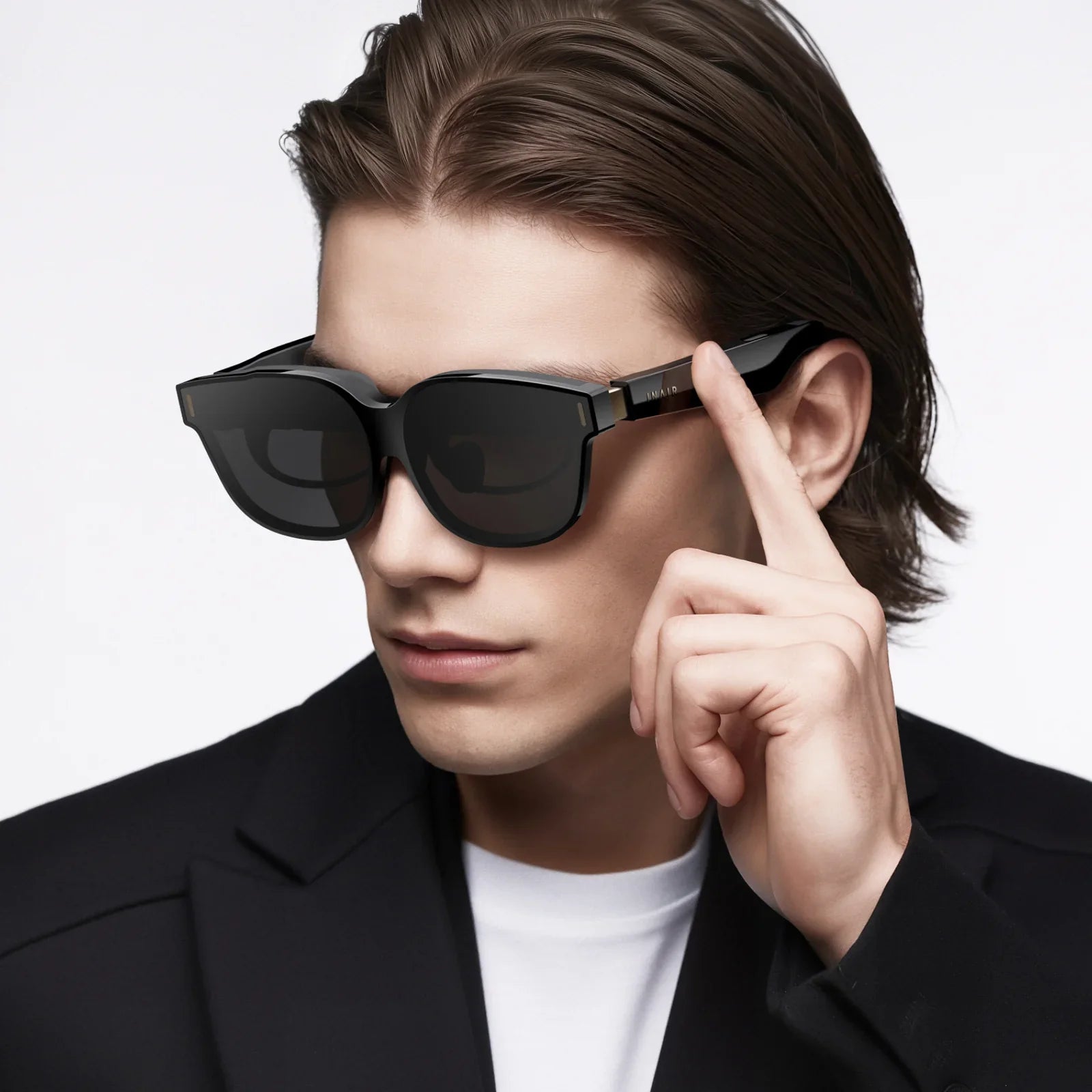
Imagine slipping on a sleek device and instantly being transported to a front-row concert seat, a strategic battlefield on Mars, or a virtual meeting room with colleagues from across the globe. This is no longer the stuff of science fiction; it's the reality for millions, thanks to the unprecedented success of the market's top-selling VR headset. Its journey from a niche gadget for enthusiasts to a mainstream phenomenon is a story of technological triumph, strategic vision, and a fundamental shift in how we interact with digital worlds. What secrets lie behind its colossal sales figures, and how has it managed to capture the imagination—and wallets—of such a vast and diverse audience? The answers paint a fascinating picture of the present and future of immersive technology.
The Anatomy of a Market Leader: More Than Just Hardware
To understand why one device rises above the rest to claim the title of top-selling VR headset, one must look beyond mere specifications on a sheet. Dominance is not achieved through a single killer feature but through a powerful, synergistic combination of accessibility, ecosystem, and experience.
Accessibility and User-Friendly Design
The barrier to entry for early virtual reality was notoriously high, requiring powerful personal computers, intricate sensor setups, and a considerable budget. The leading headset shattered this paradigm. Its design philosophy prioritized a seamless, out-of-the-box experience. Setup is intuitive, often guided by clear on-screen instructions within the virtual environment itself. The use of inside-out tracking, where cameras on the headset itself map the room and track the controllers, eliminated the need for external base stations or sensors. This plug-and-play approach removed a significant point of friction for the average consumer, making the technology feel approachable rather than intimidating.
The Power of a Curated Ecosystem
Hardware is useless without software. The top-selling headset boasts the most extensive and vibrant software library in the industry. This is a classic example of the network effect: a large user base attracts developers, whose high-quality applications and games, in turn, attract more users. The platform's storefront is a walled garden, but one that is meticulously curated. This ensures a consistent level of quality, performance, and security, providing users with confidence in their purchases. From blockbuster games that offer dozens of hours of gameplay to innovative social platforms, creative tools, and immersive fitness applications, the breadth of content is unmatched. It offers something for everyone, making it not just a gaming device but a versatile platform for entertainment, productivity, and connection.
The Wireless Freedom Revolution
While not entirely unique, the commitment to a wireless-first or wireless-capable experience has been a cornerstone of this headset's appeal. The feeling of complete immersion is easily broken by the nagging fear of tripping over a cable. By offering a standalone untethered experience or a robust wireless streaming solution for PC-based content, the device grants users true physical freedom. They can turn, crouch, spin, and move without constraint. This liberation is not merely a convenience; it is a fundamental enhancement to the sense of presence and safety within VR, making longer sessions more comfortable and active experiences more viable.
Decoding the User Experience: What It Feels Like to Be #1
Sales numbers are a result, not a cause. The cause is the quality of the experience delivered from the moment the headset is powered on.
Visual Fidelity and the Clarity Revolution
Early VR was often criticized for its "screen door effect"—the visible lines between pixels that could shatter immersion. The top-selling headset addressed this head-on with high-resolution displays, advanced lenses offering a sweet spot, and a high pixel-per-degree density. The result is stunning clarity and sharpness. Text is readable, distant objects are discernible, and the virtual world feels solid and real. This visual comfort is further enhanced by smooth refresh rates, which are crucial for preventing motion sickness and ensuring buttery-smooth gameplay and interaction.
Intuitive Interaction and Hand Presence
A VR system is only as good as its input method. The leading device employs sophisticated motion controllers that feel like a natural extension of the user's hands. They are ergonomically designed, with intuitive button layouts and precise, lag-free tracking. Haptic feedback provides subtle yet powerful tactile sensations, from the recoil of a virtual weapon to the gentle vibration of a user interface element. Furthermore, a groundbreaking feature has been the development of robust hand-tracking technology. This allows users to interact with the virtual environment using their bare hands, pinching, grabbing, and gesturing with astonishing accuracy. This leap towards more natural interaction reduces the cognitive load of remembering controller layouts and brings us closer to the holodeck ideal of seamless interface-free computing.
Social VR and the Metaverse Ambition
Humans are social creatures, and the top-selling headset has successfully tapped into this fundamental need. It is not a solitary experience; it is a social platform. Users can easily meet up with friends in virtual spaces, attend live events with thousands of others, watch movies together in custom virtual theaters, or simply hang out and chat as if they were in the same room. The use of expressive avatars, while sometimes simplistic, allows for non-verbal communication and a surprising sense of shared presence. This strong social layer transforms the device from a piece of hardware into a destination, a place where people go to be with others, fueling recurring engagement and long-term retention.
The Competitive Landscape: How the Leader Stays Ahead
The VR market is dynamic, with several strong competitors offering compelling alternatives. The sustained leadership of the top-selling headset is a testament to its strategic execution.
Standalone vs. PC-VR: Capturing Both Markets
The market has broadly split into two segments: standalone headsets that run mobile processors and are completely self-contained, and PC-tethered headsets that offer higher fidelity by leveraging the power of a gaming computer. The leading player has masterfully served both. Its flagship standalone model offers incredible convenience and accessibility, while its compatibility with high-end computers—either via a cable or wirelessly—ensures it doesn't alienate the enthusiast and simulator crowd who demand the absolute best graphics and performance. This dual-pronged strategy allows it to compete effectively across multiple price points and user profiles.
The Content War: Exclusive Titles and Developer Relations
Just as with traditional gaming consoles, exclusive software sells hardware. The company behind the top-selling headset has invested heavily in funding and publishing exclusive titles from top-tier developers. These are not mere tech demos; they are full-fledged, critically acclaimed games and experiences that are simply unavailable anywhere else. This creates a powerful incentive for consumers to choose its ecosystem over others. Furthermore, by providing excellent development tools, documentation, and support, it has fostered a passionate and productive community of indie and professional developers who continue to push the boundaries of what is possible on the platform.
The Price-Performance Sweet Spot
Achieving mass-market adoption requires hitting a price point that consumers deem reasonable for the value offered. Through economies of scale, strategic design choices, and a business model that is partly sustained by software sales, the company has been able to price its devices aggressively. It has also employed a clever strategy of keeping older models on the market at reduced prices after launching a successor, creating a tiered product lineup that can appeal to budget-conscious buyers without cannibalizing sales of its premium offering. This approach ensures there is a viable entry point for nearly every level of interest.
The Ripple Effect: What the Top Seller's Success Means for Everyone
The dominance of a single product has profound implications for the entire VR/AR industry, driving innovation and setting standards that benefit all players.
Mainstream Legitimization and Market Growth
Before its rise, VR was often perceived as a curious but failing technology. The commercial success of this headset silenced the skeptics and proved that a sustainable market for consumer VR exists. Its marketing campaigns, featuring recognizable celebrities and relatable use-cases, brought VR into the living rooms and consciousness of everyday people. This mainstream validation has grown the entire pie, attracting more investment, more developers, and more consumers to the space, which in turn benefits competing platforms by raising overall awareness and demand.
Setting the Bar for User Experience
The top-selling headset has become the de facto benchmark for user experience in VR. Its standards for setup simplicity, controller design, dashboard clarity, and overall polish are now the minimum that consumers expect. This forces competitors to elevate their game, leading to better products across the board. The industry-wide shift towards inside-out tracking and the increased focus on standalone functionality are direct results of this device proving the viability and consumer preference for these features.
Driving the Software Economy
With a installed user base numbering in the tens of millions, developers can justify larger budgets and more ambitious projects. The top-selling headset has created a software gold rush, enabling developers to build sustainable businesses focused solely on VR content. This vibrant software economy is crucial for the long-term health of the industry, ensuring a constant stream of new and innovative experiences that continue to justify the hardware investment for users.
Gazing into the Crystal Ball: The Future Shaped by Today's Leader
The path forward for the top-selling VR headset is one of refinement, convergence, and an inevitable push towards the next paradigm: augmented reality.
The relentless march of technology will bring higher-resolution displays, wider fields of view, more compact and comfortable form factors, and even more sophisticated haptics. We can expect future iterations to continue to blur the line between the virtual and the real. However, the true endgame is not a VR headset but a pair of sleek, socially acceptable glasses that can seamlessly blend digital content with the physical world—a full augmented reality experience. The top-selling headset's parent company is already investing heavily in this vision. The user base, brand loyalty, and software ecosystem it has built today are the foundational pillars for this AR future. The social platforms, developer relationships, and interaction models perfected in VR will directly inform the next generation of computing.
The story of the top-selling VR headset is far from over. It is a continuous cycle of innovation, feedback, and evolution. Its greatest achievement is not the number of units sold, but the fact that it has successfully moved virtual reality out of the realm of fantasy and into the hands of millions, making it a tangible, powerful, and utterly transformative part of our present and a thrilling gateway to our future.
You’ve read about the revolution, but true understanding only comes from stepping inside it. The world’s most popular virtual reality platform isn’t just changing the game; it’s building entirely new ones, from social spaces that redefine connection to fitness programs that make workouts an adventure. The barrier between you and these experiences is thinner than ever. This isn’t just about witnessing the future of technology—it’s about grabbing it with both hands and discovering what everyone is talking about. Your front-row seat to a new dimension is waiting.
Share:
Best Bargain VR Headset: Your Ultimate Guide to Affordable Immersion
Best VR Headset Under $50: Your Ultimate Guide to Affordable Immersion