


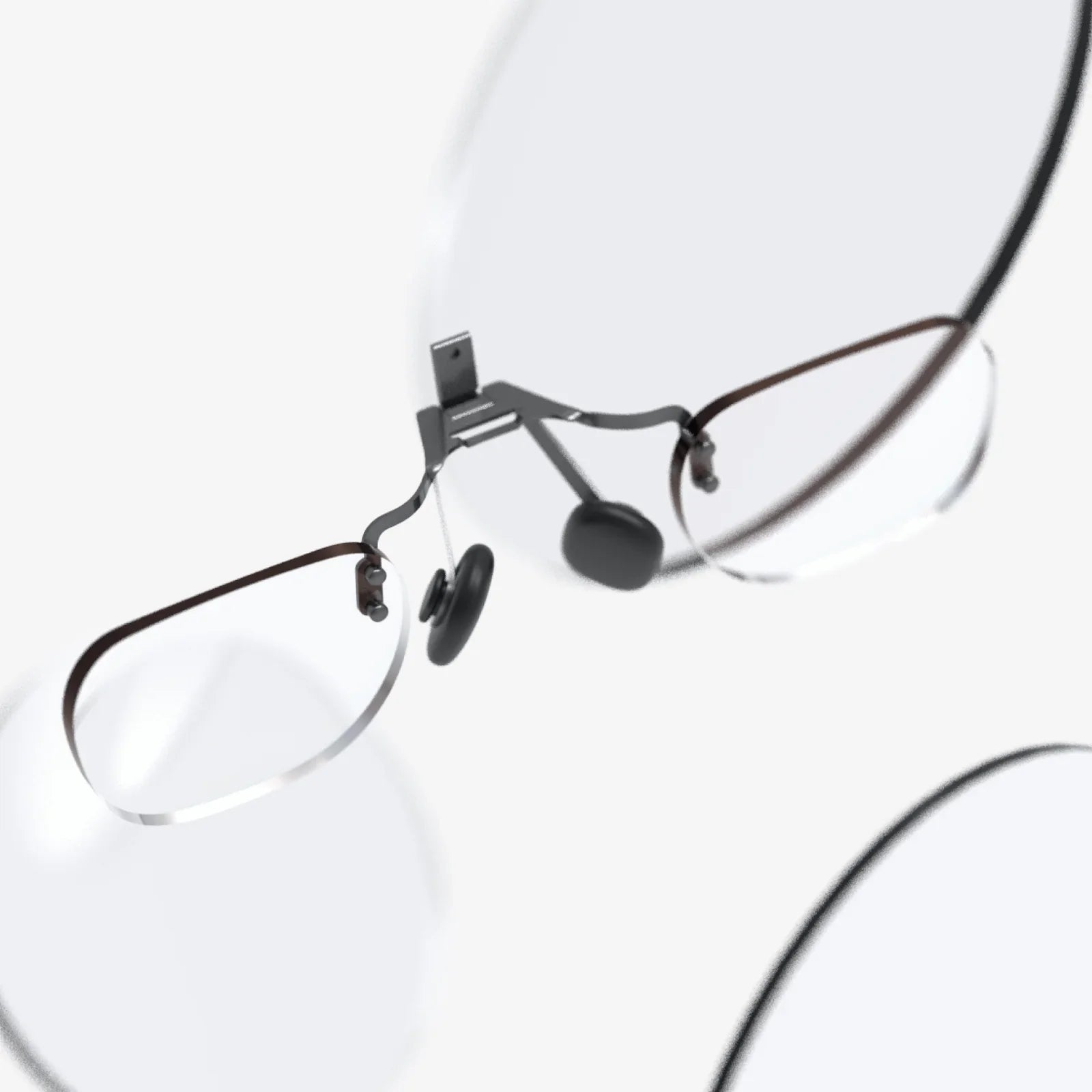
Imagine a world where your morning coffee brews as your alarm clock gently nudges you awake, where your refrigerator suggests recipes based on its contents before you even realize you're hungry, and your commute is optimized in real-time by the very infrastructure of the city itself. This is not a scene from a science fiction novel; it is the palpable reality for millions, a reality forged by the explosive and relentless growth of smart devices. This digital revolution, quietly weaving itself into the very fabric of our daily existence, represents one of the most significant technological shifts in human history, promising unparalleled convenience while posing profound questions about our future.
The Foundation: From Concept to Ubiquity
The story of smart devices is not merely one of incremental improvement but of convergent evolution across multiple technological disciplines. The term "smart device" itself is broadly applied to an electronic gadget that can connect, share, and interact with its user and other devices, often operating with a degree of autonomy. While the conceptual groundwork was laid decades ago, several key pillars had to fall into place to enable the boom we witness today.
The Connectivity Backbone
The proliferation of high-speed, reliable, and increasingly affordable wireless connectivity is the primary engine of this growth. The rollout of successive generations of cellular networks, particularly 4G/LTE and now 5G, provided the bandwidth and low latency necessary for devices to communicate seamlessly. Alongside this, the near-ubiquity of Wi-Fi in homes, offices, and public spaces created a constant, invisible web for devices to latch onto. This omnipresent connectivity transformed devices from isolated islands of functionality into nodes in a vast, global network.
The Hardware Revolution
Simultaneously, advancements in microelectronics have been nothing short of revolutionary. The development of smaller, more powerful, and incredibly energy-efficient processors, sensors, and batteries has been crucial. Modern smart devices pack a suite of sensors—accelerometers, gyroscopes, magnetometers, ambient light sensors, high-resolution cameras, microphones, and more—that would have required a room full of equipment a generation ago. This miniaturization and cost reduction allowed for intelligence to be embedded into virtually any object, from watches and speakers to light bulbs and doorbells.
The Software and Platform Ecosystem
Hardware and connectivity are inert without sophisticated software. The development of robust, user-friendly operating systems and software development kits (SDKs) created a fertile ground for innovation. These platforms provided a standardized environment for developers to create applications and services, dramatically accelerating the pace of development and expanding the potential uses for smart devices. The app store model democratized distribution, allowing a small startup's product to reach a global audience instantly.
The Expansive Ecosystem: A World of Connected Things
The growth of smart devices is most visible in its ever-expanding categories, each reshaping a different aspect of our lives.
The Personal and Home Domain
The most recognizable segment is smart home devices. This category has exploded from a niche hobbyist market to a mainstream consumer staple. Smart speakers, acting as vocal command centers, have become the gateway drug for many households. They are now hubs controlling a menagerie of connected products: smart thermostats that learn schedules to optimize energy use, intelligent lighting systems that adjust color temperature to align with our circadian rhythms, smart security cameras and doorbells that provide remote monitoring and peace of mind, and even connected appliances like robotic vacuums, ovens, and washing machines. This ecosystem promises a home that is not just automated, but anticipatory, working in the background to enhance comfort, security, and efficiency.
Wearables and Personal Health
On our bodies, the growth of wearables has been meteoric. Smartwatches and fitness trackers have evolved from simple step-counters into comprehensive health and wellness platforms. They now monitor heart rate continuously, track sleep stages, measure blood oxygen levels, and can even perform electrocardiograms. This has ushered in a new era of personalized, quantified health, empowering individuals with data about their own bodies and creating new avenues for remote patient monitoring and preventative healthcare.
Industrial and Urban Integration
Beyond the consumer sphere, the growth is perhaps even more transformative in industrial and municipal applications. The concept of the Industrial Internet of Things (IIoT) involves embedding sensors and intelligence into manufacturing equipment, supply chains, and energy grids. These smart devices enable predictive maintenance, where machines alert operators to needed repairs before they break down, minimizing costly downtime. In cities, smart devices form the backbone of smart city initiatives: intelligent traffic management systems reduce congestion, smart grids dynamically balance electricity supply and demand, and connected sensors monitor air and water quality in real-time, creating safer and more efficient urban environments.
The Driving Forces: Why the Surge Continues
Several powerful, interconnected forces continue to fuel the relentless expansion of the smart device market.
The Consumer Demand for Convenience and Efficiency
At its core, the value proposition is immensely appealing. Smart devices offer a powerful combination of convenience, efficiency, and control. The ability to manage home security from a smartphone while on vacation, to receive proactive alerts about appliance maintenance, or to have detailed insights into one's health metrics provides tangible benefits that consumers are willing to pay for. This demand creates a powerful market pull, encouraging further investment and innovation.
Economic Incentives and Data
For corporations, the incentives are vast. Beyond the direct revenue from device sales, there is immense value in the data these devices generate. This data, often anonymized and aggregated, provides unparalleled insights into consumer behavior, product usage patterns, and operational efficiency. This data-driven feedback loop allows companies to refine products, develop new services, and create more targeted advertising, creating a powerful economic engine that perpetuates the cycle of development and deployment.
Generational Shift and Cultural Acceptance
A generation is now coming of age that has never known a world without the internet and ubiquitous connectivity. For them, interacting with technology through voice commands, expecting all devices to be connected, and leveraging data to inform daily decisions is not novel; it is natural. This cultural acceptance lowers the barrier to adoption and ensures that the growth of smart devices is not a temporary trend but a permanent feature of the societal landscape.
The Double-Edged Sword: Challenges and Critical Considerations
This breakneck growth is not without significant challenges and societal dilemmas that must be addressed with urgency and wisdom.
The Paramount Issue of Security and Privacy
Every new connected device represents a potential entry point for malicious actors. Insecure devices can be co-opted into vast botnets to launch cyberattacks, or worse, can be used to spy on individuals in their most private spaces. The history of the industry is littered with examples of devices shipped with default passwords, unpatched vulnerabilities, and inadequate encryption. This creates a massive attack surface that is difficult to defend. Furthermore, the constant collection of personal data—from voice recordings and daily routines to health metrics and location history—raises profound privacy concerns. Who owns this data? How is it being used? Is it being sold or shared with third parties without explicit consent? The business models built on data collection are often directly at odds with user privacy, creating a tension that regulators are still struggling to manage.
Interoperability and the Walled Garden Problem
Despite the ideal of a seamlessly connected world, the reality is often one of fragmentation. Major technology platforms frequently create "walled gardens" where their devices work flawlessly together but have limited functionality with products from other ecosystems. This lack of universal standards can lead to consumer frustration, lock-in, and stifled innovation. While initiatives like Matter are emerging to create a new, royalty-free connectivity standard, achieving true interoperability across the entire landscape remains a formidable challenge.
Environmental and Societal Impact
The environmental cost of this proliferation is substantial. The manufacturing of billions of devices consumes vast amounts of resources and energy. Furthermore, the industry's trend towards planned obsolescence and the difficulty of repairing these complex gadgets contribute to a growing tsunami of electronic waste. Societally, there are concerns about increasing dependency on technology, the potential for these devices to exacerbate the digital divide between those who can afford them and those who cannot, and the subtle ways in which constant connectivity and surveillance might alter human behavior and social dynamics.
Gazing into the Connected Future
The trajectory of smart device growth points towards even deeper integration. The next frontier involves moving beyond discrete devices towards ambient computing, where intelligence fades into the background of our environment. We are moving towards a paradigm where technology anticipates our needs without explicit commands, creating a context-aware environment that adapts to us. The convergence with artificial intelligence and machine learning is key here, enabling devices to not just collect data, but to learn from it, predict outcomes, and make intelligent decisions autonomously. Furthermore, the line between the digital and physical worlds will continue to blur through advancements in augmented reality (AR), allowing us to overlay digital information and interfaces onto our real-world view through smart glasses and other wearables.
The path forward must be navigated with careful intention. The incredible benefits of a hyper-connected world—improved health outcomes, unprecedented efficiency, and powerful new forms of human expression and interaction—are within our grasp. But seizing this future requires a concerted effort from manufacturers, regulators, and users alike to prioritize security, champion privacy through design, mandate sustainability, and ensure that the growth of smart devices ultimately serves to empower humanity, not enslave it. The devices themselves are merely tools; it is the wisdom with which we build and use them that will ultimately define their legacy.
We stand at the precipice of a world utterly transformed by the silent, relentless hum of connected intelligence, a future being written not in lines of code, but in the very rhythm of our daily lives, waiting for us to decide what story it will tell.
Share:
AR Glasses Project: Redefining Reality and the Future of Human-Computer Interaction
Earliest Wearable Technology A Journey Through Time and Innovation