


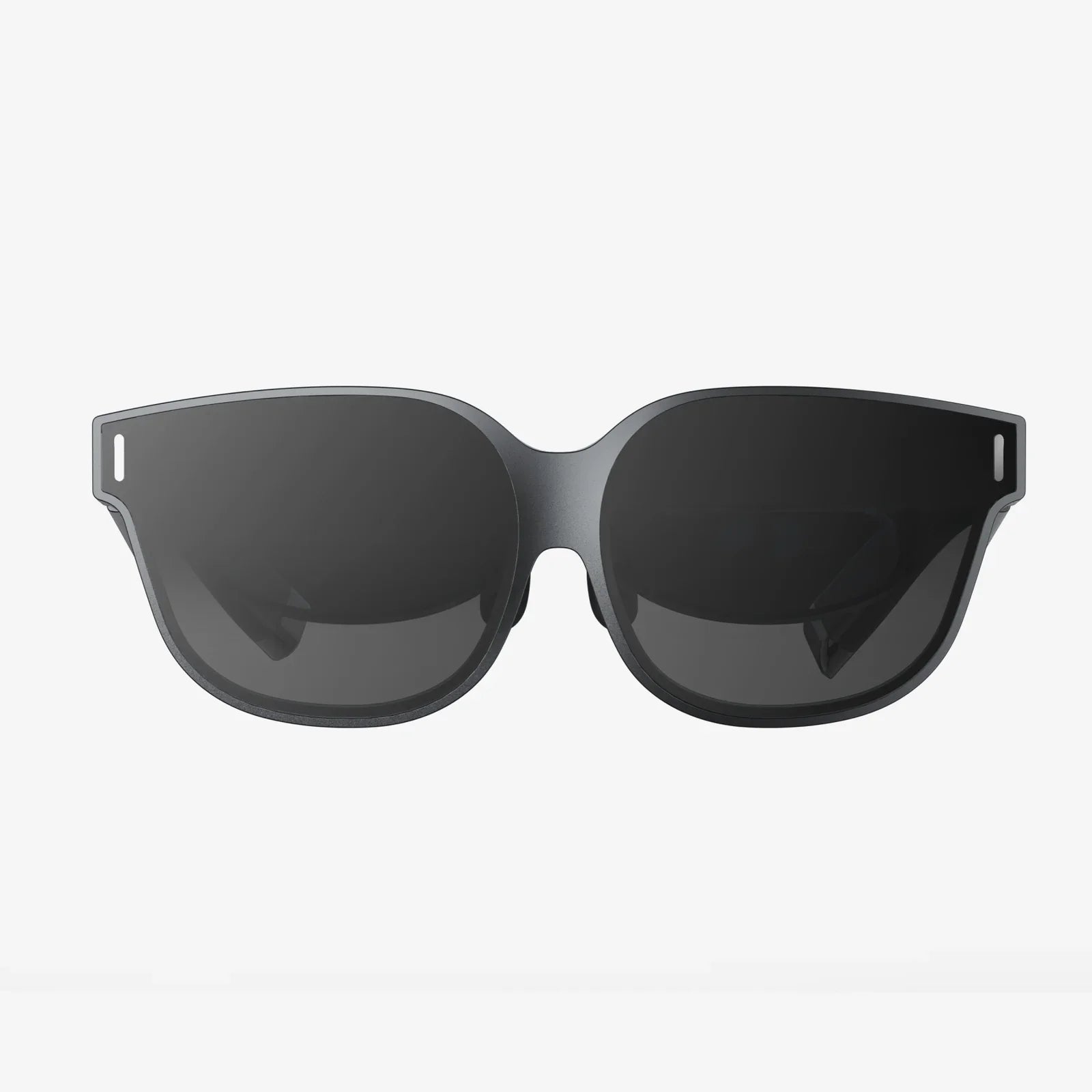
- by wangfred
Highest Selling VR Headset: The Uncontested Champion Reshaping Reality
- by wangfred
The digital landscape is shifting beneath our feet, and at the epicenter of this seismic change is a single piece of technology that has outsold all others, democratizing virtual reality and placing a universe of experiences into the hands of millions. This isn't just about a product; it's about a paradigm shift, and the story of the highest selling VR headset is the story of how virtual reality finally found its footing in the mainstream world.
To be crowned the highest selling VR headset is to achieve something far greater than mere commercial success. It represents a critical mass of adoption, a validation of a specific vision for what virtual reality should be. This device hasn't just won a sales race; it has effectively defined the entry point and the standard for an entire industry. Its market penetration is so vast that it has become the default gateway for a generation of new users taking their first steps into virtual worlds. Developers, publishers, and creators now prioritize this platform, knowing that to reach the widest possible audience, their experiences must be optimized for this ecosystem. This creates a powerful, self-reinforcing cycle: more users attract more content, and more content, in turn, attracts more users, solidifying its position at the top.
No product ascends to such heights by accident. The recipe for creating the highest selling VR headset is a complex blend of accessibility, strategic positioning, and technological pragmatism.
The single greatest barrier to VR adoption has historically been cost. Early high-fidelity systems required a powerful, expensive computer, effectively doubling the entry price. The reigning champion shattered this model. By functioning as a standalone device, it eliminated the need for a high-end PC, dramatically lowering the total cost of ownership. Its price point was strategically set not as a luxury gadget, but as an accessible entertainment console, placing it within reach of a massive consumer base. This move didn't just sell units; it expanded the entire market.
Complex setup processes involving external sensors, tangled cables, and intricate driver installations have been the bane of earlier VR systems. The leading headset embraced a philosophy of simplicity. Its inside-out tracking technology, where sensors are built directly into the headset, means users can be immersed in minutes, not hours. The intuitive motion controllers feel like a natural extension of the user's hands, lowering the learning curve and making digital interaction feel instinctive. This focus on a frictionless, user-friendly experience was paramount in appealing to a non-technical audience.
Hardware is nothing without software. The platform's parent company made a concerted effort to fund, cultivate, and secure exclusive and high-quality content. From social hubs and fitness applications to flagship games and creative tools, the content library is both vast and varied. This ensures there is something for everyone, transforming the device from a niche gaming peripheral into a versatile platform for social connection, productivity, exercise, and entertainment. The strong content pipeline gives users a compelling reason to not only purchase the headset but to continue engaging with it over time.
The dominance of a single platform sends waves across the entire technology sector, influencing competitors, developers, and consumers alike.
In the competitive arena of VR, every other manufacturer is forced to respond to the market leader. Its success has established a new baseline for what consumers expect: standalone functionality, inside-out tracking, and a wireless experience are now table stakes. Competitors can no longer launch expensive, PC-tethered systems without justifying the significantly higher cost. This has pushed the entire industry toward more accessible, user-centric designs, accelerating innovation in areas like processor efficiency, battery life, and ergonomics for everyone.
For software developers, the highest selling VR headset represents both a huge opportunity and a strategic constraint. Its immense install base is the most attractive target for monetization, leading most studios to develop their projects for this platform first. This has standardized certain development practices and control schemes around its capabilities. However, this also means that experiences are often designed within the performance and interaction boundaries of this single device, potentially limiting the ambition of projects targeting more powerful, niche systems. The platform's ecosystem is a powerful gravitational force, pulling much of the industry's creative energy into its orbit.
This device has become the public face of VR. For many, it is virtual reality. Its visibility in advertisements, its presence on store shelves, and its use in everything from viral social media videos to professional training simulations have normalized the technology. It has moved the conversation about VR from a speculative "technology of the future" to a tangible product with clear, present-day uses. This cultural legitimization is perhaps its most profound impact, paving the way for the entire category's long-term growth.
While sales figures are impressive, the true measure of this device's success is found in the experiences it enables. It has redefined human connection in a digital age, allowing families separated by oceans to feel like they are sharing a living room, watching a movie together in a virtual theater. It has revolutionized fitness, turning solitary workouts into engaging, gamified experiences that have motivated thousands to lead healthier lives. It has provided a canvas for artists to create in three dimensions and offered new, immersive ways to learn and explore. These human stories—of connection, health, creativity, and wonder—are the real legacy of its commercial triumph.
No reign lasts forever. The technology landscape is perpetually evolving, and new challengers with advanced capabilities like higher-resolution displays, wider fields of view, and more sophisticated haptic feedback are always on the horizon. The market leader faces the constant challenge of innovating while maintaining the accessibility that made it successful. The next generation must balance improved performance with cost, and expand its content ecosystem into new, uncharted territories like augmented reality to maintain its edge. The quest for the ultimate metaverse device is far from over, and the standards set by today's highest seller are merely the foundation for what will come next.
Imagine a world where your workout, your office, and your social club exist just beyond the visor of a device millions already own. The revolution isn't coming; it's already being logged into, and the highest selling VR headset has already handed you the keys.
Share:
AI Smart Goggles: The Next Evolutionary Leap in Human-Computer Interaction
VR Headset Side Effects on Eyes: A Comprehensive Guide to Digital Eye Strain and Long-Term Health