


- by wangfred
How Good Is Virtual Reality Now: A Deep Dive Into The Modern VR Landscape
- by wangfred
Remember the clunky headsets, the pixelated worlds, and the promise of a future that always seemed just out of reach? Cast those memories aside. If you haven't strapped on a modern virtual reality headset recently, you are in for a shock. The question is no longer if virtual reality is a viable technology, but just how profoundly good it has become and where its boundaries now lie. The journey from science fiction fantasy to a compelling, consumer-ready platform has been rocky, but today's VR experience is a testament to relentless innovation, offering glimpses into a future that is already beginning to take shape.
The single most dramatic improvement in modern VR is what you see. Early adopters will recall the distinct "screen door effect," where the gaps between pixels were visible, shattering immersion and reminding users they were looking at a screen. Today, that effect is largely a relic of the past.
High-resolution displays, often exceeding 4K per eye in flagship devices, have banished jagged edges and delivered stunning clarity. Combined with advanced lens technology, such as pancake lenses that allow for a slimmer headset profile and a larger "sweet spot," the visual experience is now crisp, vibrant, and incredibly detailed. You can read text on virtual dials, appreciate the texture of a stone wall in a game, or see individual leaves on a tree in a virtual environment without being distracted by technical limitations.
Furthermore, the implementation of features like high dynamic range (HDR) and wide color gamut adds depth and realism to the virtual world. Shadows are deeper, bright lights genuinely glare, and colors pop with a vitality that rivals high-end televisions. This visual leap is not just about prettier games; it's fundamental to the sense of "presence"—that elusive feeling of truly being in another place. When the world looks real, your brain is far more willing to accept it as such.
A powerful visual experience is meaningless if the hardware delivering it is uncomfortable or cumbersome. Here, too, the progress has been monumental. The first generation of consumer VR was often tethered to a powerful computer by a thick, heavy cable—a constant reminder of the real world and a literal trip hazard.
The rise of standalone headsets has been a game-changer. These all-in-one devices contain the processor, battery, and sensors within the headset itself, granting users complete freedom of movement. The ability to step into VR anywhere, without a complicated setup, has dramatically lowered the barrier to entry and expanded the use cases beyond a dedicated gaming room.
Simultaneously, comfort has seen massive improvements. Headsets are lighter, better balanced, and feature more sophisticated strap systems that distribute weight evenly. Materials are softer and more breathable, allowing for longer play sessions without discomfort. This focus on ergonomics recognizes that immersion is broken as easily by a sore neck as by a low-resolution texture.
Input methods have also evolved. Inside-out tracking, where cameras on the headset itself track the motion of the controllers (and often your hands), has eliminated the need for external sensors placed around the room. This makes setup instantaneous and portable. Even more impressive is the advent of hand-tracking technology, which allows users to interact with the virtual world using their bare hands—pointing, grabbing, and gesturing with intuitive natural movements. This feels nothing short of magical and represents a significant step towards more organic human-computer interaction.
Hardware is nothing without software, and the VR software library has matured from a novelty act into a compelling and diverse platform. The catalog is no longer just tech demos and short experiences; it is filled with full-fledged, critically acclaimed titles.
For all its astounding progress, VR is not yet a perfect, frictionless technology. Several significant challenges remain that prevent it from achieving universal adoption.
The most notable is motion sickness. While reduced by higher framerates, better tracking, and smarter game design, a portion of the population remains susceptible to simulator sickness when their visual perception of movement conflicts with their vestibular system's sense of stillness. Developers use clever techniques like "teleportation" movement and "comfort vignettes" to mitigate this, but it remains a biological hurdle for some.
Cost is another factor. While standalone headsets have brought the entry price down significantly, a high-end, PC-tethered setup that delivers the absolute best experience still represents a substantial investment, placing it in the realm of dedicated enthusiasts.
There is also the issue of social isolation and physical space. VR is, by its nature, an isolating experience. You are cut off from your immediate physical environment, which can be a safety concern and a social barrier. The need for a clear, open play space also means it's not ideal for every living situation.
Finally, while the software library is strong, it lacks the sheer volume of must-play titles found on traditional consoles or PC. The experience can sometimes feel like being an early adopter of a new console, waiting for the next big release.
The current state of VR is incredibly strong, but the roadmap for its future is even more exciting. Several key technologies are on the cusp of mainstream integration that will solve existing problems and unlock new possibilities.
Eye-tracking and facial expression tracking are poised to revolutionize social interaction in VR. By capturing a user's eye movements and facial cues, avatars can become incredibly expressive, conveying subtle emotions and non-verbal communication, making digital interactions feel profoundly more human.
Haptic feedback, beyond simple controller vibrations, is another frontier. Advanced vests, gloves, and even full-body suits are in development that can simulate touch, pressure, and impact. Imagine feeling the recoil of a virtual weapon, the texture of a virtual object, or a tap on the shoulder from another user. This would add a crucial missing layer to the sensory experience, deepening immersion exponentially.
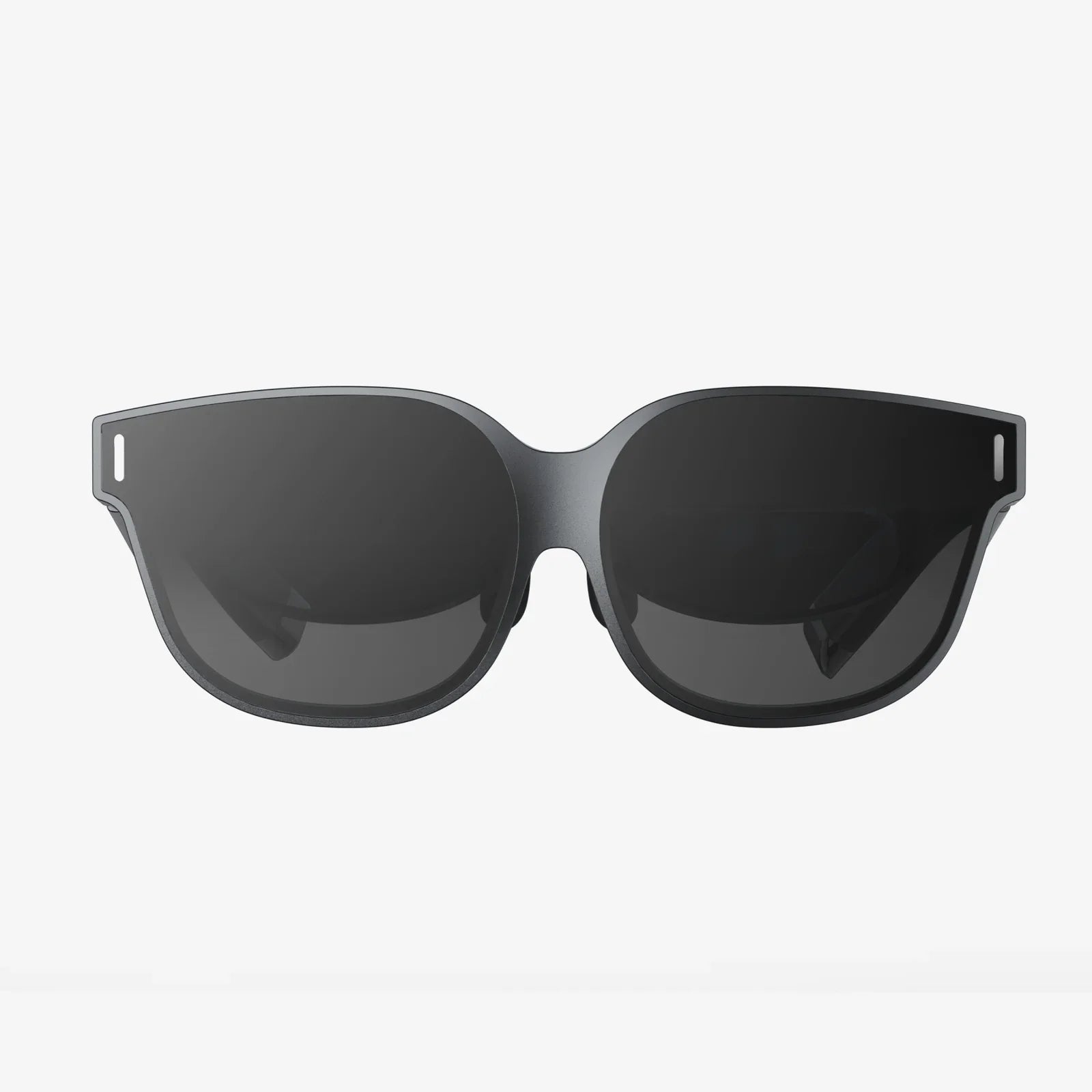
The ultimate goal remains the development of comfortable, socially acceptable form factors—eyewear that resembles stylish sunglasses rather than a bulky headset. As processing power becomes more efficient and displays even more miniaturized, this vision of lightweight, all-day wearable AR/VR devices is steadily approaching.
So, how good is virtual reality now? The answer is simple: it is legitimately, breathtakingly good. It has evolved from a promising prototype into a powerful and mature platform that delivers on the core promise of immersion. It will make you gasp, laugh, sweat, and flinch. It is a functional tool for work, a revolutionary platform for fitness, a boundless canvas for artists, and a portal to social spaces and fantastic worlds. While it still has hurdles to clear before it becomes as ubiquitous as the smartphone, its current iteration is no longer a glimpse of the future—it is a compelling and transformative present. The only way to truly answer the question for yourself is to try it. Strap on a modern headset and prepare to have your expectations shattered; the virtual door is open, and the world on the other side is waiting.
Share:
Augmented Reality Devices Are Redefining Our Perception of Reality
Augmented Reality Definition: Bridging Our Digital and Physical Worlds