


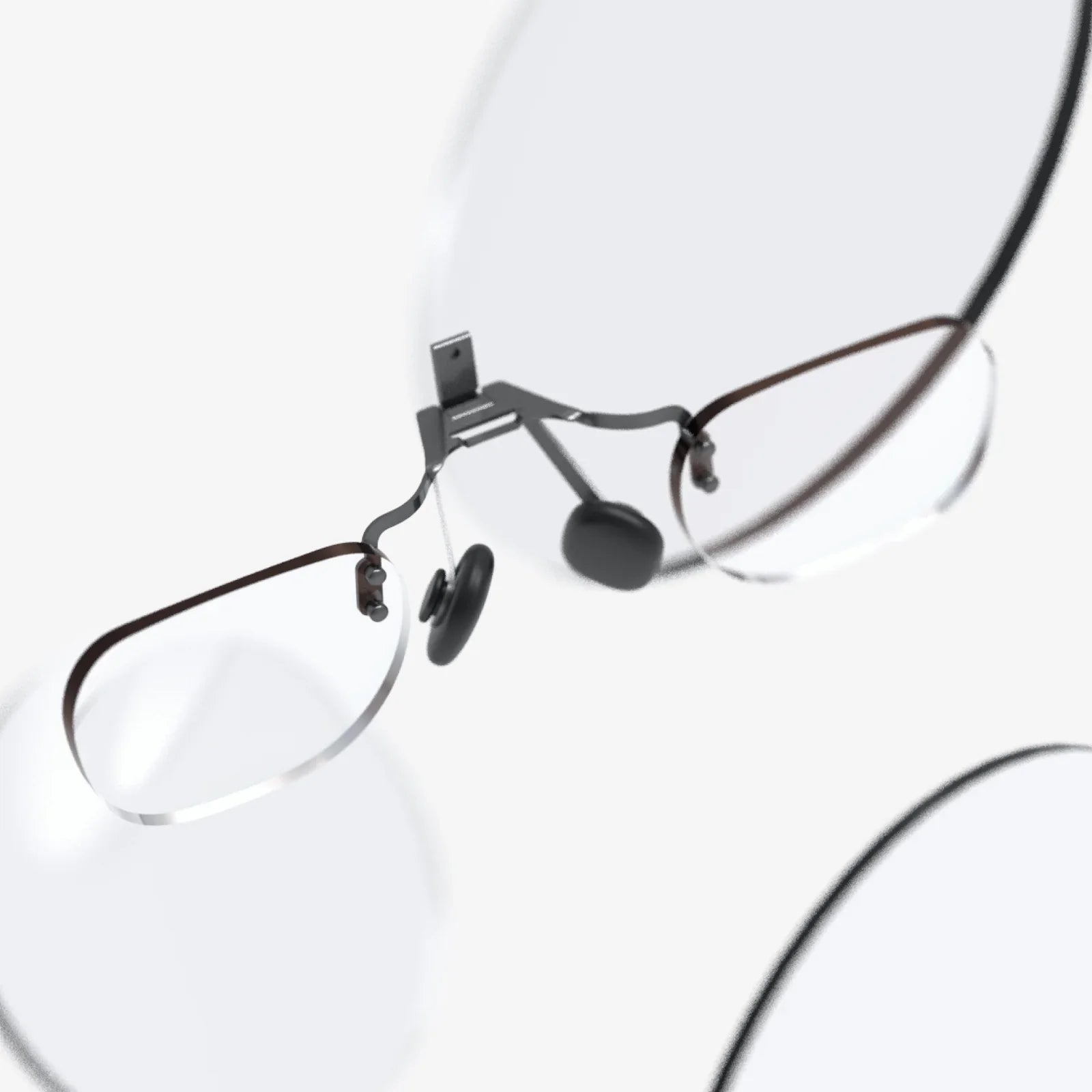
Imagine slipping on a pair of sleek, futuristic glasses and instantly being transported to a front-row concert seat, a virtual boardroom with colleagues from across the globe, or a meticulously recreated ancient Roman city. This is the promise of virtual glasses, a technology rapidly shifting from science fiction to a tangible consumer product. But for the curious and the eager, one burning question halts the daydream: just how much are virtual glasses, and what determines whether they cost as much as a decent laptop or a small car? The answer is far from simple, as the price spectrum is as vast and varied as the virtual worlds they aim to create. The cost is a direct reflection of the technological ambition packed into the frame, the intended user, and the rapidly evolving market forces shaping this next great computing platform.
The Technological Spectrum: From Simple Viewers to Powerhouse Headsets
At its core, the price of virtual glasses is dictated by the complexity of their components. Think of it as the difference between a simple magnifying glass and a high-powered microscope; both serve a purpose, but the capabilities and cost are worlds apart.
Entry-Level and Mobile-Based Solutions
On the most affordable end of the spectrum lie mobile-based viewers. These devices are essentially sophisticated holders for a smartphone, which acts as the display and processing brain. The viewer itself contains basic lenses and a comfortable head strap.
- Cost Range: $10 - $100
- Technology: Relies entirely on the smartphone's screen, processor, and sensors (gyroscope, accelerometer).
- Experience: Suitable for 360-degree videos and photos and very simple, passive virtual experiences. The immersion is limited, and interactivity is often minimal.
- Who It's For: First-time users, children, or anyone looking for a low-cost introduction to basic virtual concepts without a significant financial commitment.
These options answer the question of "how much are virtual glasses" for the budget-conscious, but they represent just a glimpse of what the technology can offer.
Standalone or All-in-One Virtual Glasses
This category represents the sweet spot for most consumers and has seen the most dramatic innovation and price competition. Standalone headsets have all the necessary technology built directly into the unit—processors, displays, batteries, and tracking sensors. They are completely wireless and untethered from a phone or computer.
- Cost Range: $200 - $1,000
- Technology: Features integrated high-resolution displays, advanced inside-out tracking (meaning cameras on the headset track your movement without external sensors), dedicated mobile processors, and sophisticated controllers for interaction.
- Experience: Offers a truly immersive and interactive experience. Users can walk around virtual spaces, play complex games, engage in social applications, and be productive in virtual workspaces. The quality of the display (resolution, refresh rate) and the power of the processor are the primary differentiators within this range.
- Who It's For: The mainstream consumer, the avid gamer, the fitness enthusiast, and the remote worker. This is the most competitive market segment.
PC-Connected and High-End Enthusiast Systems
For the ultimate in visual fidelity and performance, PC-connected virtual glasses are the pinnacle of consumer technology. These headsets are "tethered"—connected via a high-speed cable to a powerful gaming desktop computer that does the heavy lifting of rendering hyper-realistic graphics.
- Headset Cost Range: $500 - $1,500+
- Required PC Cost: $1,000 - $3,000+ (for a compatible machine)
- Technology: Often features the highest-resolution displays available, extremely high refresh rates for buttery-smooth motion, precise external tracking systems (base stations that map the room), and advanced features like eye-tracking and wide field-of-view lenses.
- Experience: Unmatched graphical quality and performance. This is the domain of hardcore simulation enthusiasts (flight sims, racing sims), dedicated virtual reality gamers seeking the best possible experience, and professional developers.
- Who It's For: Enthusiasts and professionals who demand the absolute best performance and are willing to invest significantly in both the headset and the required computing hardware.
Beyond the Headset: The Hidden Costs of Virtual Ownership
The initial purchase price of the glasses is only part of the financial picture. To understand the true total cost of ownership, several other factors must be considered.
Software and Content Library
A headset is a door, but software is the destination. Premium virtual experiences, especially full-length games and professional applications, carry significant costs. While many free and low-cost experiences exist, a robust library can easily add hundreds of dollars to the total investment over time. Subscription services for virtual fitness or social platforms are also becoming increasingly common.
Required Hardware and Accessories
As mentioned, PC-connected headsets require a powerful computer, which is a major expense in itself. Furthermore, users often invest in accessories to enhance comfort and functionality:
- Replacement facial interfaces for hygiene and comfort.
- Premium head straps for better weight distribution.
- Rechargeable battery packs for extended wireless play on standalone units.
- Specialized controllers for simulations (e.g., flight sticks, steering wheels).
Enterprise and Professional Grade Systems
Separate from the consumer market is the enterprise sector. Virtual glasses designed for industrial training, medical simulation, architectural visualization, and military applications are in a different league altogether.
- Cost Range: $2,000 - $10,000+ per unit
- Technology: These systems prioritize ultra-high precision tracking, incredibly detailed displays for reading fine text, advanced biometric and eye-tracking for user analysis, and ruggedized designs for industrial environments. They often come with specialized software suites and enterprise-level support and warranties.
- Who It's For: Large corporations, universities, research institutions, and government agencies. The cost is justified by the value they provide in training, safety, and design, often saving millions by preventing errors or accidents.
Market Forces Driving the Price of Virtual Glasses
The cost of this technology doesn't exist in a vacuum. It's shaped by several powerful economic and industrial factors.
The Economy of Scale and Competition
As the market for virtual glasses grows, manufacturers achieve economies of scale. Producing millions of units allows them to source components like displays and chipsets at lower costs, savings that can be passed on to consumers. Fierce competition between major tech companies is also a powerful driver for more feature-rich devices at aggressive price points, making advanced technology more accessible than ever before.
Research and Development (R&D)
The cutting-edge technology in these devices is incredibly expensive to develop. Investments in new display technologies (like micro-OLED), more efficient processors, and advanced tracking algorithms are massive. A portion of the price of every headset sold goes toward funding the next generation of even more impressive technology.
The Component Cost Rollercoaster
Virtual glasses are vulnerable to global supply chain issues. Displays, semiconductors, and batteries are all subject to price fluctuations, shortages, and logistical challenges, as witnessed during recent global events. This volatility can directly impact the final retail price and availability of headsets.
Looking Ahead: The Future Cost Trajectory
The historical trend in technology is one of capabilities increasing while prices decrease. Virtual reality is following this path. We can expect several developments to influence future pricing:
- Continued Price Compression: Standalone headsets will continue to offer better performance at lower prices, solidifying them as the mainstream choice.
- The Rise of AR and Mixed Reality: Glasses that blend the real world with digital overlays (Augmented Reality/Mixed Reality) are the next frontier. Initially, these will command a premium due to even more complex optics and transparent display technology, but they too will follow a path toward affordability.
- Subscription Models: Companies may explore bundling hardware with software subscriptions, potentially lowering the upfront cost of the device in exchange for a monthly fee for content and services.
So, how much are virtual glasses? The journey from a simple twenty-dollar cardboard viewer to a multi-thousand-dollar professional tool reveals a market in rapid flux. For the average person, a few hundred dollars now unlocks an experience that was unimaginable a decade ago, a sign that the gateway to virtual worlds is swinging open wider and becoming more accessible with each passing year. The true value is no longer just in the price tag, but in the boundless experiences waiting on the other side of the lens.
Share:
Augmented Reality Advantages and Disadvantages: A Deep Dive into Our Digital Future
UK Augmented Reality Market: A Deep Dive into Innovation and Growth