


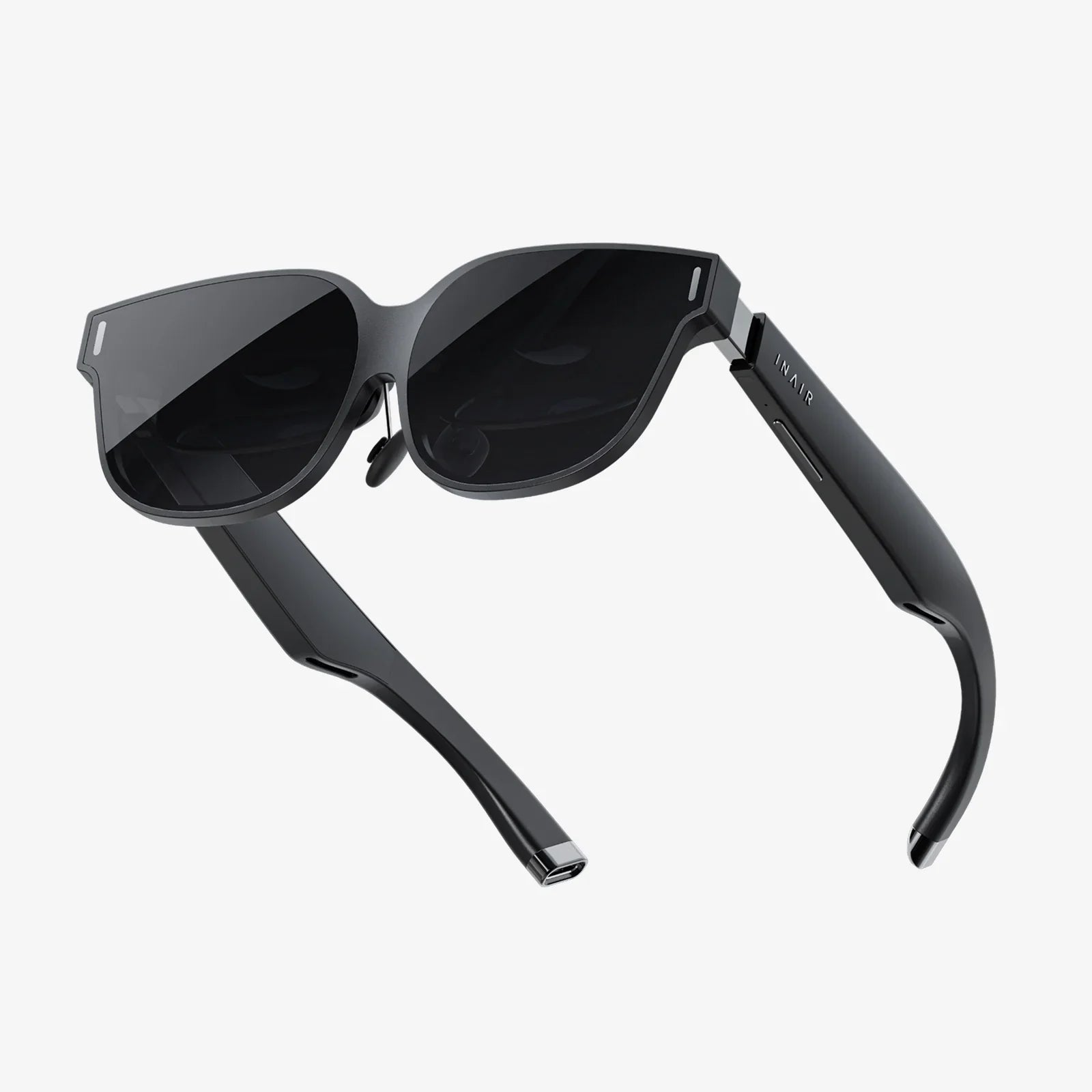
You’ve seen the breathtaking videos, heard the incredible stories, and felt that pull toward a new digital frontier. The promise of untethered, completely immersive virtual reality is more compelling than ever. But before you take the plunge into these boundless worlds, one pressing question brings you back to reality: just how much does it actually cost to cut the cord? The answer is more nuanced than a single price tag, and understanding the landscape is the key to making an investment you won’t regret.
The All-in-One Arena: Standalone Headsets
For most consumers, the journey into wireless VR begins and ends with standalone headsets. These are fully self-contained devices, with all the necessary computing power, sensors, and displays built directly into the headset itself. They offer the purest form of wireless freedom, requiring no external computer, no trailing cables, and no complicated setup beyond connecting to your home Wi-Fi.
The pricing for these devices typically falls into two distinct categories, reflecting a clear difference in capability and target audience.
The Accessible Gateway: Entry-Level Standalone VR
This tier is dominated by a single, incredibly popular device that has brought VR to the masses. Launched as a successor to an even more accessible model, this headset represents the baseline for a quality, untethered VR experience.
You can expect the starting price for a new unit of this caliber to be in the range of $250 to $300. This almost always gets you the headset itself, the two motion controllers, and the necessary charging cables. The value proposition here is immense: for a relatively modest sum, you get access to a vast library of games, social experiences, and fitness applications with zero additional hardware required.
The Premium Experience: High-End Standalone VR
For those who want the absolute best that standalone technology has to offer, the next tier provides significant upgrades. Think of it as the difference between a standard console and its more powerful "pro" variant. These headsets boast:
- Sharper displays with better resolution and refresh rates for reduced "screen door" effect.
- More advanced processor chips for better graphics, smoother performance, and richer game worlds.
- Enhanced mixed reality (MR) capabilities with high-resolution color passthrough cameras, allowing you to blend your physical environment with digital objects.
- Improved comfort design, better controllers, and often a larger starting storage capacity (e.g., 128GB vs. 64GB).
This level of technology commands a premium. The starting price for a new high-end standalone headset typically falls between $450 and $550. It's crucial to remember that this is still an all-in-one price; no extra computer is needed. You are paying for a more powerful, more immersive, and more future-proof device.
The Power User's Path: PC-Powered Wireless Headsets
If your ambition is to experience VR with the highest fidelity graphics, the most complex simulations, and the vast library of PC VR titles, your path to wireless is different. This route involves using a headset that is primarily designed to be connected to a powerful gaming computer but can be made wireless through an optional accessory or built-in functionality.
The Headset Itself
The headsets in this category are often considered the best on the market for visual fidelity and performance. They are precision instruments with high-resolution displays, wide field-of-view lenses, and advanced tracking technology. As such, their cost reflects their premium status. A new headset of this type can range anywhere from $1,000 to $1,500 for the complete kit, which includes the headset, base stations for tracking, and specialized controllers.
It is important to note that this headset, on its own, is typically a wired device. The wireless capability is an added feature.
The Wireless Adapter
This is the key that unlocks the cable-free experience. The official wireless adapter for these headsets is a dedicated piece of hardware that uses a technology like WiGig to transmit massive amounts of data with extremely low latency. This adapter, which includes a receiver that attaches to the headset and a PCIe card that goes into your computer, is a significant investment itself, often costing between $250 and $350.
The Hidden Giant: The Gaming PC
This is the most substantial and often overlooked cost in the PC VR ecosystem. To run a high-end headset wirelessly, you don't just need a computer; you need a very powerful gaming computer. The GPU (graphics processing unit) alone must be robust enough to not only render demanding VR environments but also compress the video stream for wireless transmission in real-time.
A VR-ready gaming PC that meets the recommended specifications for a premium headset can easily cost $1,500 to $2,500+ if you don't already own one. This completely changes the calculus. The total investment for a wireless PC VR setup—headset, adapter, and computer—can quickly soar to well over $3,000.
Beyond the Headset: The Hidden Costs of Wireless VR
The initial purchase is just the beginning. To understand the true total cost of ownership, you must factor in these essential additions.
1. The Software Library (Games & Apps)
A headset is a empty vessel without software. While many devices come with a free game or two, building a library is an ongoing expense. Premium VR titles typically cost between $20 and $40, with major releases sometimes reaching $50 or $60. Budgeting at least $100 to $200 for your initial game purchases is a realistic expectation.
2. Essential Accessories
These are not mere luxuries; they are often critical for a comfortable and sustainable experience.
- Extra Battery Pack: Standalone headsets have a battery life of 2-3 hours. For longer sessions, an external battery pack is a must. A good quality power bank and a long USB-C cable will cost $25 to $50.
- Enhanced Head Straps: The default elastic strap on many headsets is inadequate for many. A rigid, halo-style or battery-equipped strap improves comfort and weight distribution immensely. Expect to pay $30 to $100.
- Prescription Lens Inserts: If you wear glasses, struggling with them inside the headset is a nightmare. Custom magnetic lens inserts that match your prescription are a game-changer for clarity and comfort, costing around $60 to $80.
- Carrying Case: To protect your investment from dust, sunlight, and accidental damage, a good hard-shell case is highly recommended ($25 to $40).
3. The Wi-Fi Network
For PC VR streaming and even for some standalone features, your home network is part of the hardware. A weak or congested Wi-Fi signal will result in lag, stuttering, and a poor experience. For optimal wireless PC VR, you need:
- A dedicated Wi-Fi 6 or Wi-Fi 6E router, preferably in the same room as your play space ($100 to $200).
- A wired Ethernet connection from your gaming PC to this router.
This is a hidden infrastructure cost that many first-time buyers do not anticipate.
Navigating the Market: New vs. Refurbished vs. Used
Your budget can be stretched further by considering alternatives to buying brand new.
- New: Full manufacturer warranty, pristine condition, and often bundled with software. You pay the full retail price.
- Refurbished: These are units that were returned, inspected, repaired if necessary, and certified by the manufacturer or retailer. They often come with a limited warranty and can be a fantastic way to save 15-25% off the new price.
- Used: The second-hand market can offer significant savings, but it comes with risks. You must carefully inspect the lenses for scratches, ensure all components are present, and understand that there is typically no warranty. Be wary of older models that may no longer receive software updates.
Making the Right Choice for Your Budget
So, what is the final answer? It depends entirely on your goals and existing setup.
- For the Curious Newcomer ($300 - $500 all-in): An entry-level or previous-generation standalone headset is the perfect, low-risk entry point. The total cost is transparent and manageable.
- For the Enthusiastic Gamer ($500 - $800 all-in): A new premium standalone headset, plus a budget for accessories and games, offers the best wireless experience for most people without the need for a supercomputer.
- For the Graphics Aficionado ($1,500 - $3,500+): If you already own a high-end gaming PC, adding a premium PC VR headset and its wireless adapter is a logical (if expensive) step toward the pinnacle of visual fidelity. If you need to build the PC from scratch, be prepared for a major investment.
The landscape of wireless VR is a spectrum of experiences, each with a corresponding price of admission. From a few hundred dollars for a passport to new worlds, to several thousand for a first-class ticket to the cutting edge, there has never been a better or more diverse time to step into the virtual realm. The freedom of untethered exploration is waiting, and now you know exactly what it takes to claim it.
Imagine slipping on a headset and instantly being transported to a concert front row, a tranquil beach, or a heart-pounding battlefield—all without a single wire holding you back. That seamless freedom is no longer a distant fantasy; it's a purchase away. By weighing the true cost against the unparalleled experiences on offer, you can find the perfect wireless VR solution that doesn't just fit your budget, but expands your reality.
Share:
Budget VR Headset Comparison: Finding the Best Value for Your Virtual Reality Journey
When Is The New VR Headset Coming Out: A Deep Dive Into The Next Generation of Virtual Reality