


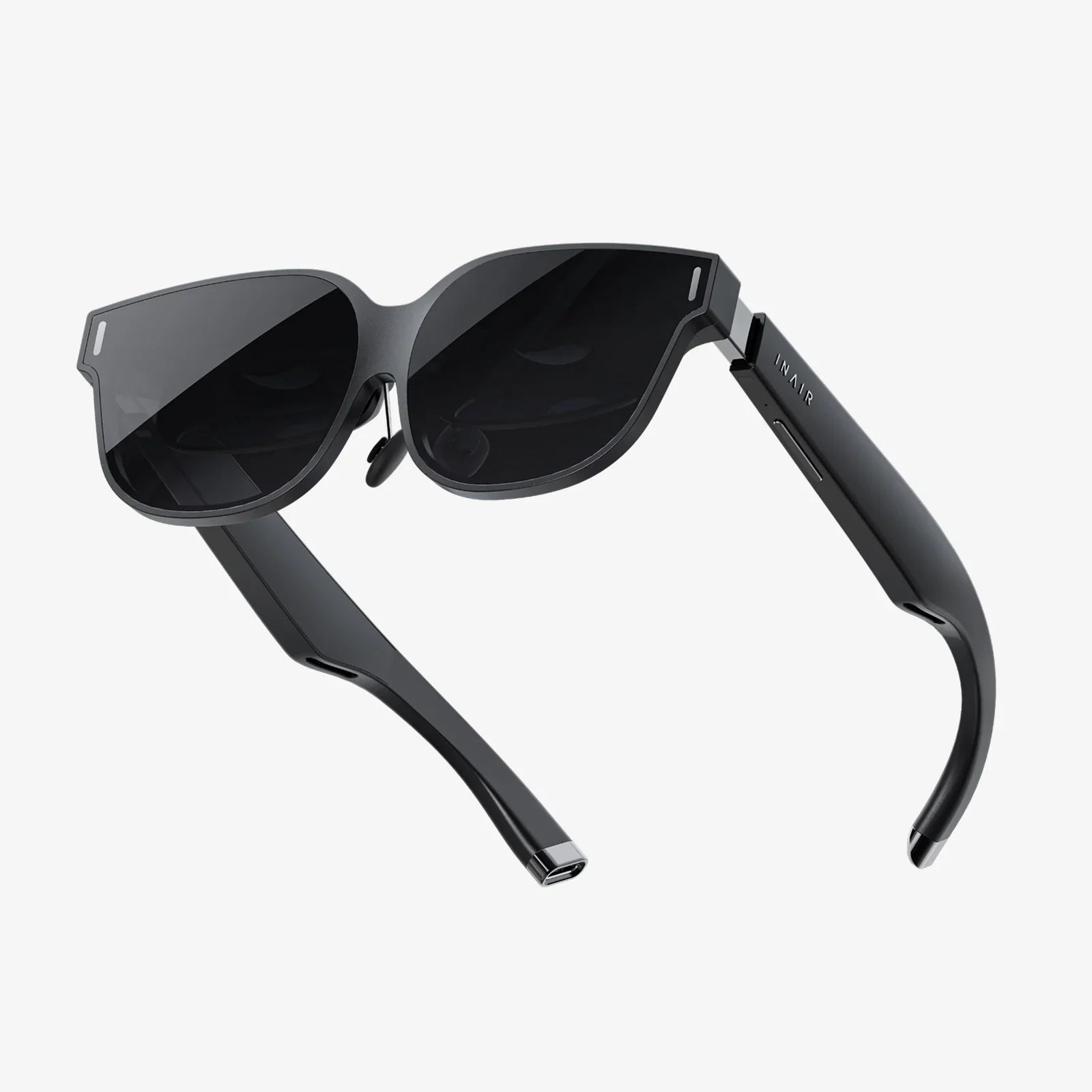
You’ve seen the breathtaking trailers, read the hype about the metaverse, and watched friends disappear into digital realms. The burning question now is, how much is it for a VR headset to join them? The answer isn't a single number on a price tag. It's a spectrum, a journey from an affordable entry point to a significant technological investment. Unpacking the true cost means looking beyond the initial hardware to understand the ecosystem, the hidden expenses, and the value you get at every level. Prepare to have every aspect of the financial commitment decoded, so you can make the perfect choice for your wallet and your wonder.
Deconstructing the Price Tag: It's More Than Just Hardware
Asking 'how much is it for a VR headset' is like asking how much a vehicle costs. The range is vast because the experiences are fundamentally different. The final price you pay is influenced by three core pillars that define your virtual reality journey.
The Three Tiers of Virtual Reality
The market has matured into distinct categories, each with its own philosophy, performance, and, crucially, price point.
- Standalone/All-in-One Headsets: These are the most accessible and popular devices. They have all the necessary computing power, sensors, and batteries built directly into the headset. There are no wires tethering you to a powerful computer, offering unparalleled freedom and ease of setup. They represent the mainstream entry point into high-quality VR.
- PC-Powered/PCVR Headsets: These are dedicated displays for your computer. They offload all the heavy graphical processing to a powerful gaming PC, which they connect to via a cable (or sometimes wirelessly with an optional accessory). This category delivers the highest possible fidelity, with breathtaking graphics, immense detail, and the most immersive experiences, but it comes with a much higher total cost of ownership.
- Console-Powered Headsets: A specific subset tied to a video game console ecosystem. These devices offer a curated, high-quality experience by leveraging the consistent hardware of the console. The value proposition is often very strong, as it builds upon an existing entertainment setup.
- Smartphone-Based Headsets (The Budget Past): While largely obsolete now, these were plastic holders that used your smartphone's screen and sensors. The experience was low-quality and has been almost entirely supplanted by capable standalone headsets at impressively low prices.
The Hidden Costs of VR Ownership
The headset itself is just the beginning. To understand the full financial picture, you must consider the entire ecosystem.
- Content (Games & Apps): This is the most significant ongoing cost. Premium VR games can range from $20 to $60, similar to traditional games. There are many free experiences and cheaper titles, but the best software requires investment.
- Required Hardware: For PCVR, this is the elephant in the room. You must own or purchase a sufficiently powerful gaming computer, which can easily cost over $1,000 on its own. For console VR, you need the specific console.
- Accessories: These enhance comfort and functionality. This includes things like:
- Additional face interfaces for hygiene or comfort.
- Rechargeable battery packs for controllers.
- Premium head straps for better weight distribution.
- Prescription lens inserts if you wear glasses.
- VR covers and cases.
- Subscription Services: Some social and fitness platforms within VR may require monthly or annual subscriptions to access all features.
The Budget-Conscious Gateway: Standalone VR (Under $500)
This is where most people begin their journey. The value here is extraordinary, offering a complete, wire-free VR system for a fraction of the cost of a new smartphone.
Entry-Level Standalone (Approx. $200 - $300)
This price bracket is dominated by a single, industry-defining player. For around the cost of a game console, you get a device that requires nothing else. It includes the headset, two motion-tracked controllers, and everything needed to dive in. The library is massive, featuring everything from casual experiences and social hubs to full-fledged, graphically impressive games. The performance is smooth, and the setup is as simple as charging it and creating an account. This is the absolute answer for anyone asking 'how much is it for a VR headset' with a focus on accessibility and fun.
Mid-Range Standalone (Approx. $400 - $500)
For a higher investment, you step into the realm of what is often called the "prosumer" standalone device. The headset in this tier, pioneered by a tech giant, is a more advanced piece of kit. It features significantly improved processing power, a higher-resolution display for sharper visuals, and a much more sophisticated inside-out tracking system that understands the contours of your room. It often functions as both a standalone device and a wireless PCVR headset, offering incredible flexibility. The price reflects its premium materials, advanced features like mixed reality capabilities, and its position as a forward-looking platform.
The High-Fidelity Experience: PC-Powered VR ($500 - $1,400+)
This is the domain of the enthusiast, the sim racer, and the hardcore gamer who demands the absolute best. Here, the headset is a peripheral, and the real cost lies in the system that powers it.
The Headset Itself ($500 - $1,400)
PCVR headsets are precision instruments. Prices vary based on the technology inside:
- Mainstream PCVR ($500 - $600): These are excellent, modern headsets that offer high-resolution displays, comfortable designs, and solid tracking, often using inside-out cameras for easier setup.
- Premium/Enthusiast PCVR ($1,000 - $1,400+): At this apex, you find headsets focused on a specific niche: unparalleled visual clarity. They achieve this through ultra-high-resolution displays, advanced lens technology that provides a huge "sweet spot," and professional-grade features like eye-tracking and built-in audio solutions. You are paying for cutting-edge optics and minimal compromise.
The Mandatory PC Investment ($800 - $2,500+)
This is the critical, often overlooked part of the equation. A headset is useless without a VR-Ready PC. The graphics card alone is a major expense. You'll need a system with a powerful dedicated GPU from the last few generations, a strong CPU, and ample RAM. For a good experience, the PC itself will start at around $800 if building it yourself, and often much more for a pre-built system. For the premium headsets, you'll need a top-tier GPU, pushing the total system cost well over $2,000. This makes the total entry cost for a high-end PCVR setup easily range from $1,300 to over $3,500.
The Console Alternative: A Curated Powerhouse ($450 - $600)
This approach offers a brilliant middle ground. A leading console manufacturer created a headset designed exclusively for its game console. The value proposition is simple: if you already own the console, the barrier to entry is just the cost of the headset bundle (which includes advanced controllers). This single price gets you a complete, high-fidelity system. The graphics are a significant step above entry-level standalone headsets, thanks to the console's power, and the library, while smaller than the PC landscape, is filled with exceptionally high-quality, polished exclusive titles. It delivers a premium PC-like experience without the complexity and extreme cost of a gaming PC.
Beyond the Purchase: The Ongoing Cost of Virtual Life
Your financial relationship with VR doesn't end at the checkout. The virtual world is filled with things to do, and most of the best ones aren't free.
Building Your Virtual Library
Software is the lifeblood of your headset. Pricing mirrors the traditional gaming market:
- Major AAA Releases: These are the flagship titles, the system sellers. They are full-length, high-production-value games and typically cost $40 - $70.
- Indie Gems & Mid-Tier Games: The heart of the VR ecosystem. Countless fantastic, creative experiences range from $15 - $35.
- Experiences & Tech Demos: Many short or experimental apps are free or cost a few dollars.
- Social & Fitness Platforms: Many of the most popular social and fitness apps are free to download, but lock advanced features, customizations, and classes behind a monthly subscription fee (typically $8 - $12 per month).
Essential and Optional Accessories
To get the most out of your device, you might find yourself spending more.
- Comfort is King: Many stock head straps are adequate but not ideal for long sessions. Aftermarket straps that better balance the weight can cost $30 - $50 and are considered essential upgrades by many users.
- Battery Life: For standalone headsets, battery life is typically 2-3 hours. Buying an external battery pack can double your playtime and is a common purchase.
- Lens Inserts: If you wear glasses, using the headset can be awkward. Companies offer custom prescription lens inserts that clip onto the headset's displays, providing perfect vision without your glasses. These typically cost $60 - $80.
Making Your Decision: Calculating Your True Total Investment
So, how much is it for a VR headset? Let's calculate the real totals based on your starting point.
- For the First-Timer / Casual User: An entry-level standalone headset ($250) + 2-3 good games ($80) + a comfort accessory ($40) = ~$370.
- For the Enthusiast without a Gaming PC: A mid-range standalone headset ($500) + a growing library of games ($200) = ~$700 (plus any subscriptions).
- For the Console Owner: A console VR headset bundle ($550) + exclusive games ($120) = ~$670.
- For the PC Gamer (without a VR-ready PC): A mainstream PCVR headset ($600) + a VR-ready gaming PC ($1,200) + games ($100) = ~$1,900.
- For the High-End Enthusiast: A premium PCVR headset ($1,200) + a top-tier gaming PC ($2,500) = ~$3,700 (before games and accessories).
This breakdown reveals the true landscape. VR is no longer a prohibitively expensive niche. A compelling and complete entry into virtual reality is available for the cost of a modern games console. The high end remains a serious investment, but it delivers a truly unparalleled experience that justifies the cost for those who seek the absolute best.
The door to other worlds is no longer locked behind a thousand-dollar barrier. For the price of a weekend getaway or a new television, you can own a device that transforms your living room into a cockpit, a fantasy battlefield, a virtual art studio, and a social space with friends across the globe. The initial question of cost has been answered with a resounding affirmation: there has never been a better or more affordable time to take the plunge and define your own reality.
Share:
Budget PC VR Headset 2025: The Ultimate Guide to Affordable Immersion
Difference Between XR and VR: A Comprehensive Guide to Immersive Realities