


- by wangfred
How to See Augmented Reality: A Complete Guide to Accessing the Digital Overlay
- by wangfred
Imagine a world where digital information doesn't just live on a screen but is seamlessly woven into the fabric of your everyday life. You point your device at a quiet city street and suddenly see historical figures walking among the crowds, reviews hovering over restaurant entrances, and navigational arrows painted directly onto the pavement. This is the promise of augmented reality (AR), a technology that superimposes computer-generated enhancements onto our existing reality. But for many, the question remains: how do you actually step into this world? How do you peel back the first layer of reality to see the digital magic beneath? The journey from curious observer to active participant is simpler than you might think, and it’s a doorway waiting for you to open it.
Before you can see augmented reality, it's crucial to understand the basic mechanics that make it possible. At its core, AR is a technology that blends interactive digital elements—like visual overlays, haptic feedback, and other sensory projections—into our real-world environment. Unlike Virtual Reality (VR), which creates a completely artificial environment, AR uses your existing surroundings as a canvas, adding information and meaning on top of it.
The process generally involves three key steps:
This entire complex ballet of data happens in milliseconds, allowing for a fluid and interactive experience that feels both magical and intuitive.
The most accessible and widespread method for seeing augmented reality is already in your pocket or bag. Modern smartphones and tablets are incredibly powerful AR machines, equipped with high-resolution cameras, fast processors, motion sensors, and AR software frameworks.
To get started, you only need two things:
The process is beautifully simple. You simply open the app, which activates your device's camera. You then point the camera at your chosen environment—a table, a floor, a specific image—and watch as the app places digital content into the scene. You can often interact with this content by tapping the screen, moving around it, or using on-screen controls.
This method is perfect for a huge range of experiences, from trying on virtual makeup and placing furniture in your living room to playing immersive games that transform your local park into a digital battlefield. The barrier to entry is low, making it the ideal starting point for anyone new to the technology.
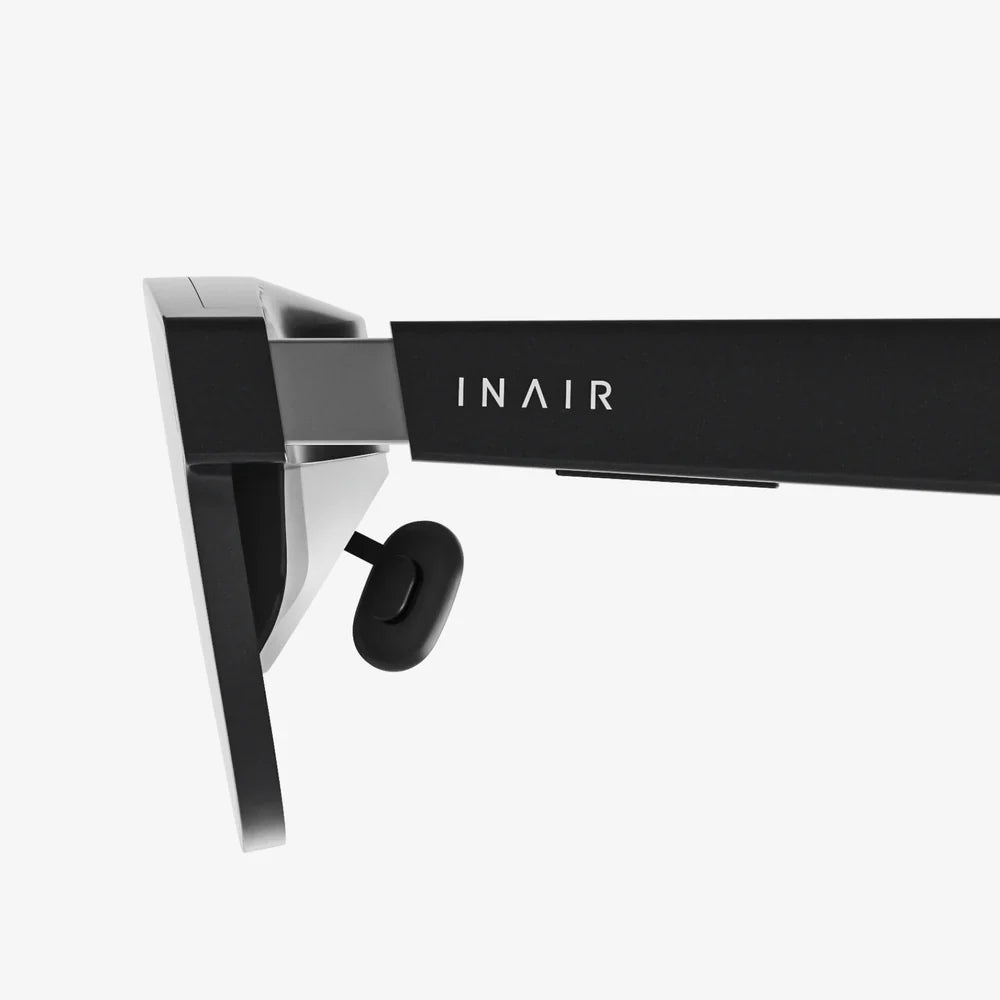
While smartphones offer a fantastic introduction, the most immersive way to see augmented reality is through wearable technology, specifically smart glasses. These devices represent the true vision of AR: a hands-free, always-available digital overlay that exists within your natural line of sight.
Smart glasses use tiny projectors and waveguides or other optical systems to beam digital images directly onto the lenses, which then reflect the light into your eyes. The result is that holographic images appear to exist in the world around you, and you can see them without holding up a black rectangle. Your hands remain free to interact with both the physical and digital worlds simultaneously.
These devices offer a more seamless and integrated experience. Instead of looking at reality through a screen, you are looking at reality with an enhancement. This form factor is particularly transformative for enterprise and professional use, allowing technicians to see repair instructions overlaid on machinery, surgeons to visualize patient data during procedures, and warehouse workers to see picking lists without glancing away from their tasks.
As this technology continues to advance and become more affordable, it is poised to become the primary way we interact with augmented information, eventually potentially replacing our smartphones altogether.
Seeing augmented reality isn't solely a visual experience. True immersion is achieved by engaging multiple senses. Advanced AR systems incorporate other technologies to deepen the feeling that digital objects are truly present.
Microphones allow for voice commands, letting you control the AR environment with speech. Speakers or bone-conduction audio can provide spatial sound, making a virtual dragon's roar sound like it's coming from your left or a navigational cue whisper from behind you.
Perhaps the most powerful addition is haptic feedback. Through specialized wearables like gloves or controllers, haptics use vibrations, motions, or forces to simulate the sense of touch. This means you could not only see a virtual button floating in the air but also feel a click when you press it. You could feel the resistance of a virtual spring or the texture of a digital fabric. This multi-sensory approach moves AR from a neat visual trick to a profoundly believable extension of reality.
Knowing how to access AR is one thing; knowing where to find compelling experiences is another. The ecosystem is vast and growing rapidly.
To ensure the best possible AR experience, a few simple tips can make a world of difference.
Lighting is Key: AR systems rely on cameras to see the world. Just as with photography, good lighting is essential. Avoid dark, overly dim, or harshly backlit environments. A well-lit, evenly illuminated space allows the software to track surfaces and objects most effectively.
Mind Your Surroundings: For content that needs to be placed on a surface, choose a spot with good visual texture. A blank, white wall or a uniform carpet can be difficult for the software to track. A wooden table, a tiled floor, or a patterned rug provides distinct features that the AR engine can lock onto for stable placement.
Move Slowly and Deliberately: Especially with marker-based AR (which uses a specific image to trigger the effect), move your device slowly to allow the camera to recognize the target and initialize the experience smoothly.
Keep Your Lens Clean: It seems trivial, but a smudged camera lens can significantly degrade the camera's ability to see the world clearly, leading to poor tracking and a wobbly AR experience. A quick wipe can dramatically improve performance.
The evolution of how we see augmented reality is far from over. The trajectory is moving toward even more invisible and integrated technology. We are progressing toward lightweight, socially acceptable glasses that look no different from standard eyewear. Further out, technologies like contact lenses with embedded displays or even direct neural interfaces represent a future where the digital overlay is indistinguishable from reality itself—a permanent, context-aware layer of information and interaction available simply by looking at the world.
This future promises to redefine every aspect of our lives, from how we work and learn to how we socialize and play. The distinction between being online and offline will blur, replaced by a state of constant, ambient computing where the digital world serves and enhances our physical one, rather than distracting from it.
The first step into this incredible future begins with a simple action: raising your device, or in time, just glancing through your glasses. The digital layer is already here, waiting just beneath the surface of the ordinary, ready to be revealed. Your reality is about to get a lot more interesting. What will you look at first?
Share:
Interactieve Augmented Reality: The Invisible Layer Reshaping Our World
AR VR Product Development: A Comprehensive Guide to Building for the Immersive Future