


- by wangfred
Interactieve Augmented Reality: The Invisible Layer Reshaping Our World
- by wangfred
Imagine a world where information doesn’t just sit on a screen but bleeds into your reality, responding to your touch, your gaze, and your voice. This is the promise of interactieve augmented reality, a technological leap that is quietly dismantling the barriers between the digital and the physical, transforming how we work, learn, shop, and connect. It’s no longer about simply seeing a digital overlay; it’s about reaching out and touching it, manipulating it, and having a genuine conversation with the very fabric of your environment. This isn't a distant sci-fi trope—it's the next chapter of human-computer interaction, and it's already beginning.
To understand the power of interactieve augmented reality, we must first move beyond its most common, yet passive, applications. Social media filters that place cartoon ears on your head or a static 3D model of a piece of furniture placed in your living room via an app are the precursors. They are impressive, but they are largely one-way streets of information.
True interactieve augmented reality is a dynamic, bidirectional dialogue. It is an experience where the digital content is:
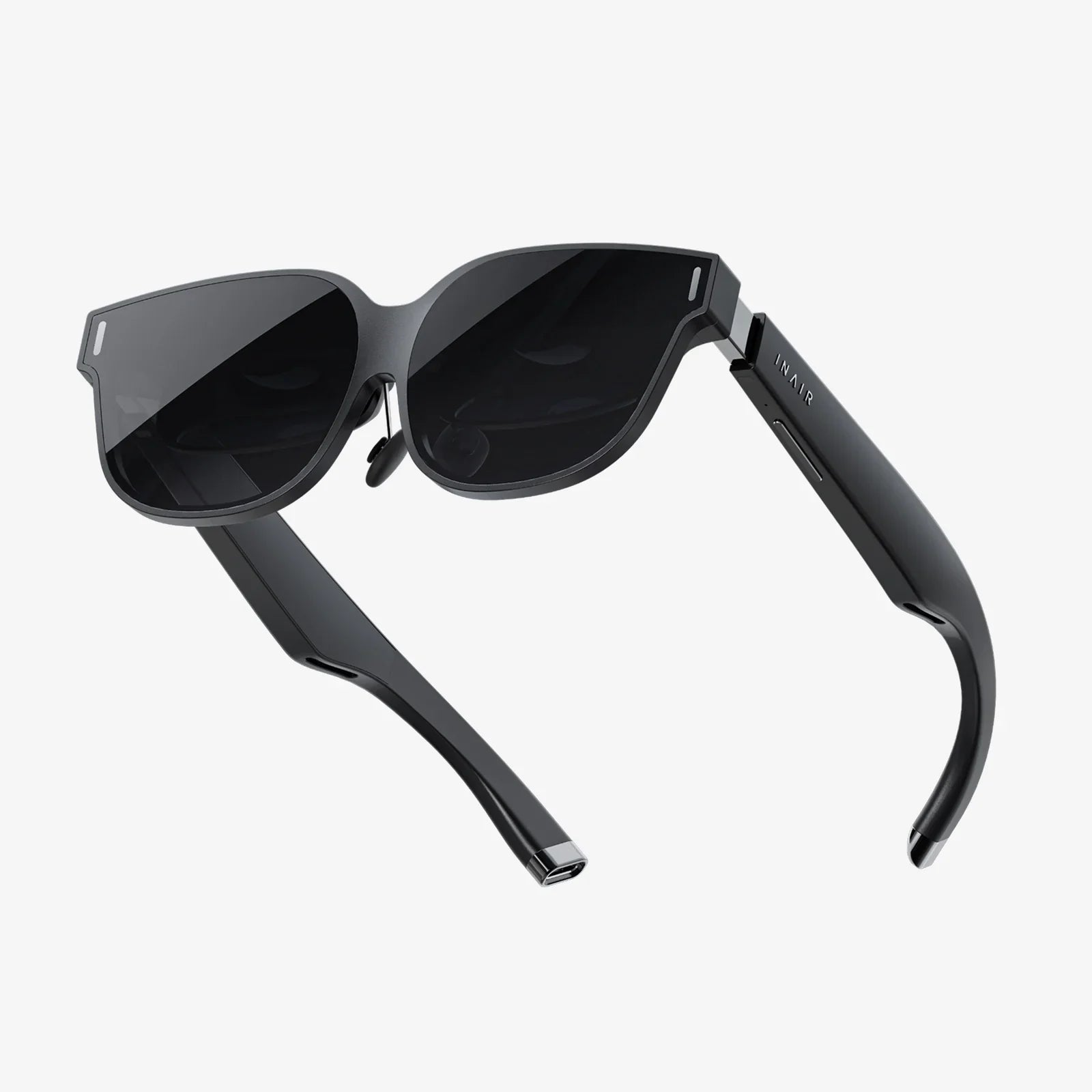
This shift transforms the user from a passive viewer into an active participant, a co-creator within a blended reality. The device—whether a smartphone, tablet, or pair of smart glasses—becomes a window or a lens, but the magic happens in the space between the user and their environment.
Creating this seamless, interactive illusion requires a sophisticated fusion of hardware and software technologies working in concert.
The eyes of interactieve augmented reality are its sensors. LiDAR (Light Detection and Ranging) scanners, depth sensors, and high-resolution cameras work together to create a precise, real-time 3D map of the physical world. This is known as spatial mapping. Computer vision algorithms then analyze this map to identify planes (floors, walls, tables), objects, and even text. This allows the digital content to "sit" convincingly in the real world, occluding correctly behind real objects and maintaining its position as you move.
How do you communicate with a hologram? Interactive AR has moved beyond the touchscreen to embrace more natural forms of input:
Processing the immense amount of data from sensors and running complex AI models for computer vision requires significant computational power. While some processing happens on the device (on the "edge"), low-latency, high-bandwidth 5G connectivity allows more powerful cloud computing to supplement it. This means rich, complex interactive experiences are no longer tethered to a supercomputer in your pocket; they can be streamed seamlessly, enabling ever more detailed and persistent worlds.
The theoretical is made concrete in the practical applications already transforming entire sectors.
Shopping is being utterly reinvented. Instead of guessing if a new sofa will fit your living room, interactive AR allows you to place a full-scale, photorealistic 3D model of it in your space. But it goes further. You can open its drawers, change the fabric color with a swipe, and even see how it looks under different lighting conditions at different times of day. For fashion, virtual try-on for clothes, watches, and glasses is becoming commonplace, allowing you to see how an item fits and moves from every angle before purchase, drastically reducing return rates and building consumer confidence.
Interactive AR is replacing static diagrams in textbooks. Medical students can dissect a life-sized, interactive hologram of the human body, peeling back layers of musculature, organs, and the circulatory system, all controlled by their gestures. Engineering students can assemble and disassemble a complex jet engine, with each part responding to their touch and providing contextual information. This kinesthetic, learning-by-doing approach dramatically improves comprehension and retention of complex subjects.
On factory floors and in design studios, interactive AR is a powerful tool for prototyping and collaboration. Designers can view and manipulate 3D prototypes at full scale, making adjustments to curves and components in real-time. Technicians performing complex repairs can have interactive, animated instructions overlaid directly onto the machinery they are fixing, showing them the exact torque sequence or highlighting the next component to remove. This reduces errors, saves time, and lowers training costs.
Beyond medical training, interactive AR is assisting in live patient care. Surgeons can use AR headsets to see critical patient data, like heart rate or a 3D reconstruction of a tumor from a recent MRI, directly in their field of view while keeping their focus on the patient. This data can be manipulated and explored hands-free during procedures. It can also aid in precise vein detection for injections or provide interactive physical therapy guides for patients to follow at home.
For all its promise, the widespread adoption of truly interactieve augmented reality faces significant hurdles.
Looking ahead, the trajectory points towards a world where interactieve augmented reality is as fundamental as the smartphone is today. We are moving towards:
The screen has been our primary portal to the digital world for decades, but it is also a barrier. Interactieve augmented reality is the technology that is finally dissolving that barrier, weaving the digital directly into the tapestry of our physical existence. It promises a future where we won’t use computers; we will live inside them, and they will respond to our every command with a fluidity that feels like magic. The world is about to become your interface, and the only limit will be your imagination. Are you ready to reach out and touch the future?
Share:
Best Value AI Glasses: Merging Affordability with Cutting-Edge Augmented Reality
How to See Augmented Reality: A Complete Guide to Accessing the Digital Overlay