


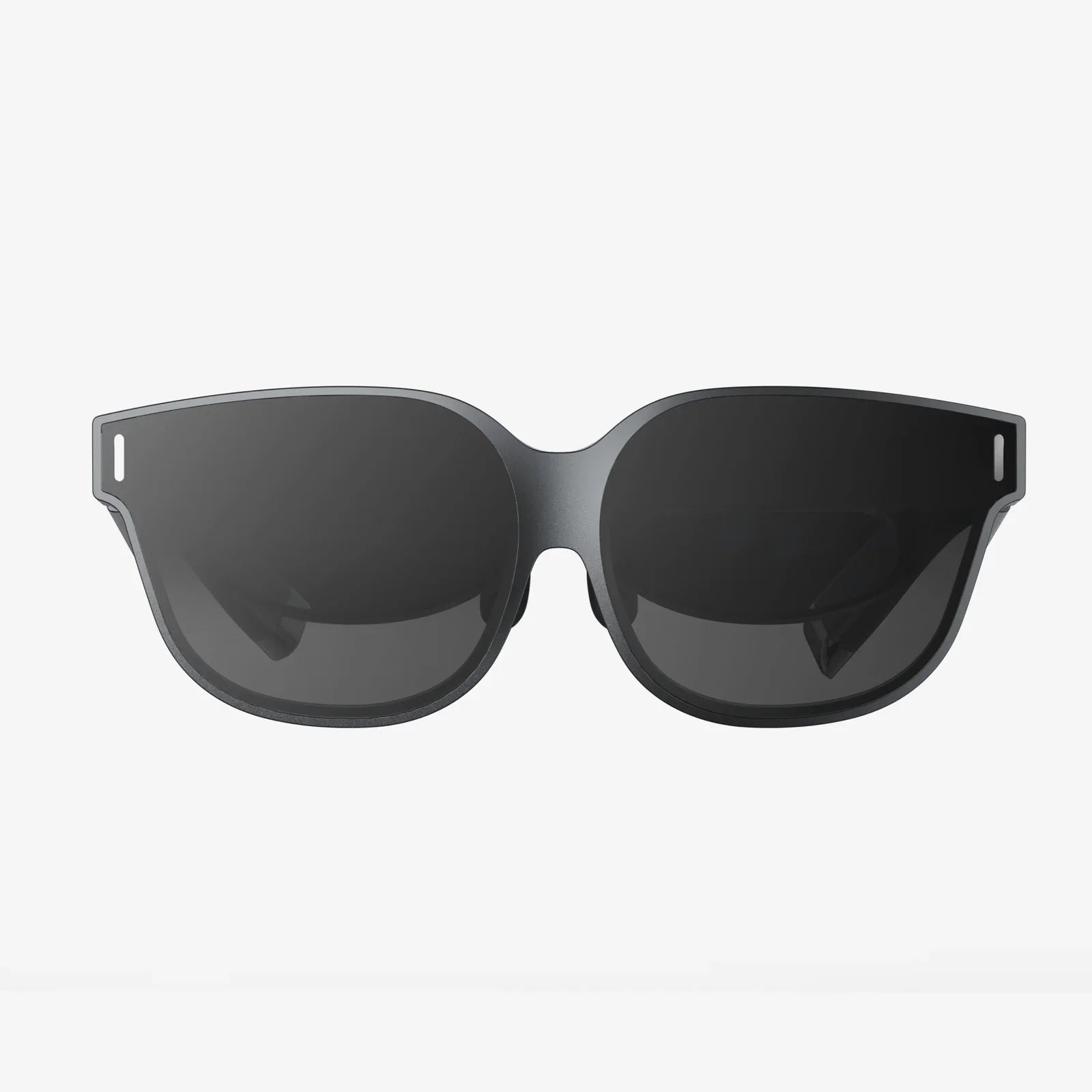
Imagine standing on the surface of Mars, feeling the red dust crunch beneath your virtual boots as you gaze at a distant, pale sun. Picture yourself sitting courtside at a championship game, then teleporting to a master sculptor’s studio to learn your craft. This isn’t a distant sci-fi fantasy; it’s the accessible, awe-inspiring world of virtual reality, and your journey to experiencing it firsthand starts right here, right now. The portal to these impossible experiences is more within reach than you might think, and unlocking it is an adventure waiting to happen.
Demystifying the Virtual Landscape: More Than Just Games
Before you take the plunge, it's crucial to understand what modern VR truly encompasses. While groundbreaking games like immersive first-person shooters and intricate puzzle adventures are a massive draw, the ecosystem is vastly broader. Today's VR offers transformative experiences in social connection, allowing you to meet friends in a virtual cinema or concert hall as if you were in the same room. It provides powerful tools for fitness, with rhythm games and workout apps that make breaking a sweat feel like play. It serves as a gateway to education, letting you travel inside the human body, walk through ancient Roman ruins, or practice real-world skills like public speaking in a safe, simulated environment. Understanding this diversity is the first step to finding the experience that will truly resonate with you.
Your Entry Point: Choosing the Right Path for You
The beautiful thing about entering VR today is that there is no single, "correct" path. The best choice depends entirely on your budget, your technical comfort level, and your desired level of immersion. We can break down the primary avenues into three distinct categories.
The Plug-and-Play Powerhouse: All-in-One VR Headsets
For most beginners, an all-in-one (or standalone) headset is the golden ticket. These devices have the computer built directly into the headset itself. There are no wires tethering you to a powerful PC, no complex setup procedures—just put on the headset, define your play area, and you're ready to go. They represent the most accessible and user-friendly entry point into high-quality VR. The library of available software is enormous and constantly growing, catering to every possible interest. The primary consideration with this route is the initial investment in the hardware itself, though prices have become increasingly consumer-friendly.
The High-Fidelity Frontier: PC-Powered VR
If you are a gaming enthusiast who already owns a robust gaming PC with a powerful graphics card, this path offers the absolute pinnacle of visual fidelity and performance. PC-powered VR headsets act as ultra-high-resolution displays, leveraging the raw processing power of your computer to deliver stunningly detailed worlds, complex physics, and the most graphically intensive experiences available. The trade-off is being physically connected to your PC via a cable (with wireless adapters being a more advanced option), which can slightly limit freedom of movement. This option is for those who seek the cutting edge and are willing to manage a slightly more involved setup process for unparalleled quality.
The Pocket Portal: Smartphone-Based VR
While its prevalence has waned, smartphone-based VR remains a legitimate, ultra-budget-friendly way to dip your toes into the virtual waters. This method involves placing your smartphone into a specially designed headset holder. The phone's screen becomes your display, and its sensors track your head movement. The experience is significantly less immersive and interactive than the other two paths—you'll typically use a simple Bluetooth controller or a single button on the headset for input instead of sophisticated motion controllers. However, it provides a incredibly cheap way to experience 360-degree videos and simple VR apps, making it a fascinating proof-of-concept before you commit to a more advanced system.
Gearing Up: What You Actually Need to Get Started
Once you've chosen your path, it's time to assemble your kit. Beyond the headset itself, a few key components are essential for a complete experience.
The Core Hardware
The headset is, of course, the centerpiece. Research the options within your chosen category, paying close attention to display resolution, refresh rate (which affects smoothness and reduces motion sickness), and field of view. For PC VR and All-in-One systems, motion controllers are non-negotiable. These are the magic wands that translate your real hand movements into the virtual world, allowing you to pick up objects, push buttons, fire weapons, and gesture to friends. They are fundamental to the feeling of "presence"—the illusion that you are truly inside the digital space.
Setting the Stage: Your Physical Space
VR is a physical medium. You will be moving, ducking, and reaching. The first step before any session is to define your play area. All modern systems guide you through this process by having you trace a boundary on your floor. The system will then display a virtual wall (often called a "Guardian" or "Chaperone" system) whenever you get too close to the edge, preventing you from bumping into your real-world furniture. A mat or small rug in the center of your play space can provide a crucial physical tactile reference, helping you stay oriented without needing to break immersion to look at a virtual boundary.
Finding Your First Experience: Where to Begin
With your hardware ready, it's time for the main event: choosing what to do. Your first experience is critical; it should be comfortable, intuitive, and jaw-droppingly cool.
Start with the Tutorial
Do not skip the official first-party tutorial that comes with your system. These are masterclasses in VR interaction, expertly designed to teach you how to use your controllers, move through space, and interact with objects in a low-pressure, often delightful, environment. They are experiences in themselves and are engineered to instill VR legs and confidence.
Curate Your Initial Library
For your first few apps, seek out experiences that are either stationary or use "teleportation" movement, which is easier on the stomach than artificial smooth locomotion. Look for titles known for their comfort and high praise. A breathtaking nature documentary that places you alongside wild animals, a creative sandbox game where you can paint in 3D space with fire and stars, or a social app where you can just hang out and watch videos with others are all perfect starting points. Save the intense flight simulators and frantic shooters for after you've found your virtual legs.
Staying Comfortable and Safe in a Digital World
As with any new technology, it's important to practice good VR hygiene to ensure your experiences remain positive.
Combating VR Motion Sickness
Simulator sickness is the most common hurdle for new users. It occurs when your eyes perceive motion that your inner ear does not. The good news is that most people can overcome this with short, positive sessions. Start slow. Begin with 15-20 minute sessions and stop immediately at the first sign of discomfort—never try to "power through." A fan blowing gently on you can provide a stabilizing frame of reference. Ginger candies or gum can help alleviate nausea. Gradually, your brain will adapt, and you'll be able to enjoy longer and more intense experiences.
Prioritizing Real-World Safety
Always be hyper-aware of your physical surroundings. Ensure your play area is clear of trip hazards, sharp corners, and fragile items like TVs or monitors. Wear the included wrist straps for your controllers at all times. If you have pets or young children, make sure they are not in your play space before you begin, as you will not be able to see them. VR is incredibly immersive, so taking these simple precautions is essential for a safe and fun time.
The Horizon of Possibility: What's Next for VR?
Your first foray into VR is just the beginning. The technology is evolving at a breakneck pace. We are moving towards headsets that are lighter, smaller, and more powerful with each generation. Advancements in haptic feedback technology promise the ability to feel virtual objects, from the texture of a stone wall to the recoil of a weapon. The concept of the "metaverse"—a persistent network of shared virtual spaces—continues to develop, pointing towards a future where VR is less of a destination and more of a platform for work, play, and socializing. Learning how to try VR now is like learning to use the internet in its early days; you're gaining literacy in what is poised to become a fundamental layer of human interaction and experience.
The door to a universe of infinite experiences is unlocked. The controllers are charged, the headset is waiting, and a million worlds—from the deeply creative to the utterly fantastical—are just a click away. Your journey from curious observer to active explorer starts with a single decision to step through the veil. What will you create, who will you meet, and where will you go first? The only limit is your imagination, and it's time to set it free.
Share:
Is Virtual Reality Growing? An In-Depth Look at the Metaverse's Engine
Virtual Reality How Far Are We: From Sci-Fi Fantasy to Mainstream Reality