


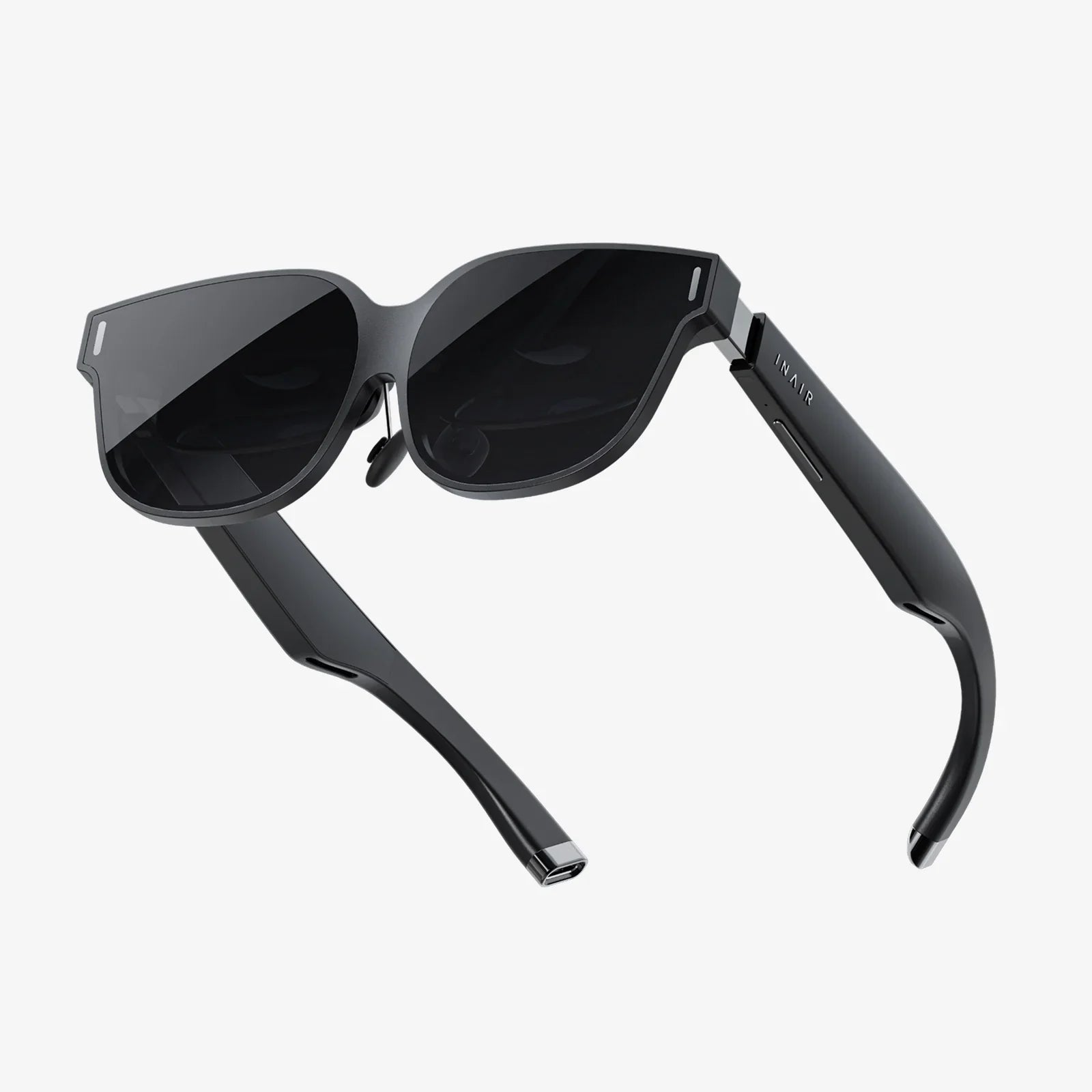
Imagine a world where information floats seamlessly before your eyes, where digital assistants can see what you see, and where the boundaries between the physical and digital realms gently dissolve. This is no longer the stuff of science fiction; it's the promise held within a sleek, modern pair of AI glasses. If you've just acquired a pair or are curious about their potential, you're standing at the precipice of a new way to interact with reality itself. This guide will walk you through everything from unboxing to mastering the advanced features that make this technology truly revolutionary.
First Steps: Unboxing and Initial Setup
The journey begins the moment you open the case. Your first interaction with AI glasses should be one of careful exploration.
Charging and Powering On: Most models will arrive with a partial charge, but it's prudent to give them a full charge using the provided magnetic or USB-C cable before first use. Locate the power button, typically discreetly placed on a temple arm or hinge. A single press often activates them, indicated by a soft LED light or an audible chime that resonates through the built-in speakers.
The Companion Application: This is the brain behind the beauty. You will almost certainly need to download a dedicated companion application onto your smartphone. This app is your central hub for managing your device. It facilitates the crucial Bluetooth pairing process, walks you through initial setup wizards, and is where you'll manage all future updates, settings, and installed features. Grant the necessary permissions for the camera, microphone, and location services—these are the senses that allow your glasses to understand and assist in your world.
Finding the Perfect Fit: Comfort is paramount for a device meant to be worn for hours. Adjust the nose pads and the temple arms gently until the frame sits securely but not tightly on your face. The optical display should be centered within your field of vision. Many models offer interchangeable nose pads or temple tips to ensure a perfect fit for every face shape. Take your time with this step; a proper fit enhances both comfort and functionality.
Mastering the Core Interface: How to Interact
Unlike a phone or computer, the interface of AI glasses is designed for subtlety and hands-free operation. Learning the primary modes of interaction is key to a fluid experience.
Voice Commands: This is your most direct line of communication. A wake word or a tap-to-talk feature activates the built-in AI assistant. Speaking naturally is the goal. You can say things like, "Hey [Assistant], what's on my calendar for today?" or "Record a video." The microphone array is designed to filter out background noise and focus on your voice. The response will typically be delivered through the micro-speakers near your ears, providing a private audio experience.
Touch Controls: The temple arms often feature a touch-sensitive surface. Swiping forward or backward can cycle through notifications or control music volume. A single or double tap can play/pause media, take a photo, or answer a call. These gestures become second nature with practice, allowing for quick, discreet control without ever needing to reach for your phone.
The Visual Display (Heads-Up Display):
The magic happens on the miniature transparent displays, usually projected onto a lens or using a "birdbath" optic system. This is your Heads-Up Display (HUD) for life. Information is presented in a minimalistic, non-obtrusive manner. You might see the time, weather, or incoming notifications subtly hovering at the periphery of your vision. The key is that it augments your reality without blocking it. You can glance down at the display for more detailed information, but it remains out of the way when you're focused on a task like crossing the street or having a conversation. The true power of this technology is revealed in its daily application. It's about getting timely information without the friction of pulling out a device. Enhanced Navigation: Forget holding your phone out in front of you. With AI glasses, walking directions can be overlaid directly onto the street in front of you. Arrows and distance markers appear to float on the pavement, guiding you to your destination while keeping your head up and your hands free. This is invaluable for navigating unfamiliar cities, large campuses, or even a busy airport. Real-Time Translation and Transcription: This feature feels like a superpower. You can have a real-time conversation with someone speaking a different language. As they speak, the translated text appears almost instantly on your display. Conversely, you can speak in your language, and the glasses can project the translation for the other person to read (on their phone or a shared screen) or even speak it aloud. This extends to live transcription of meetings or lectures, providing a scrollable text record of everything said. Intelligent Photography and Videography: The ultimate point-of-view camera. You can capture photos and record videos hands-free, simply by using a voice command or touch gesture. The perspective is natural and immersive—it captures what you see, exactly as you see it. This is perfect for documenting a child's first steps, capturing a stunning landscape during a hike, or recording a recipe as you cook without touching a dirty device. Contextual Information Retrieval: This is where the "AI" truly shines. By looking at a landmark, the glasses can provide a brief history. Looking at a menu? It might highlight popular dishes or pull up reviews. This hyper-contextual assistance turns the world into an interactive Wikipedia page, offering knowledge precisely when and where you need it. Perhaps the most profound application of AI glasses is in the realm of accessibility. They are rapidly becoming powerful assistive devices. For individuals with visual impairments, features like object detection, text-to-speech for reading signs or documents, and magnification can provide greater independence. The glasses can identify and audibly describe objects, people, and currency. For those who are deaf or hard of hearing, live transcription turns spoken conversation into readable text, making every interaction more accessible. This technology has the potential to break down barriers and create a more inclusive environment for everyone. With great power comes great responsibility. Wearing a camera and microphone on your face rightfully raises questions. Privacy Considerations: Be mindful of your surroundings and local laws regarding recording. The best practice is to be transparent. A recording indicator light (present on most ethical devices) should always be enabled to signal to others when you are capturing media. Avoid recording in private spaces like bathrooms, locker rooms, or any place where people have a reasonable expectation of privacy. Social Etiquette: The social norms for this technology are still evolving. During a face-to-face conversation, it's considerate to briefly explain the capabilities of your glasses if you're using them for something like transcription. Just as you wouldn't stare at your phone during a dinner date, be present. Use the technology to enhance your interactions, not replace them. Knowing when to use the technology and when to simply be a human in the moment is the mark of a savvy user. We are only scratching the surface of what's possible. The developer community is constantly creating new applications and features. From overlaying workout metrics during a gym session to providing step-by-step repair instructions for a mechanic, the potential for enterprise and specialized use is vast. As the underlying artificial intelligence grows more sophisticated, the glasses will transition from reactive tools to proactive assistants, anticipating your needs before you even voice them. The world is about to get a whole lot smarter, and it will all happen right before your eyes. Mastering how to use AI glasses is less about learning a complex manual and more about embracing a new paradigm of human-computer interaction—one that is intuitive, contextual, and seamlessly integrated into the fabric of your life. This is your window into the augmented future, and it's already here.Integrating AI Glasses into Your Daily Life
Accessibility and Inclusivity: A New Lens on the World
Privacy, Etiquette, and Responsible Use
The Future is Now: Pushing the Boundaries
Share:
AI Smart Glasses Social Features Are Redefining Human Connection
Top Augmented Reality: The Invisible Revolution Reshaping Our World