


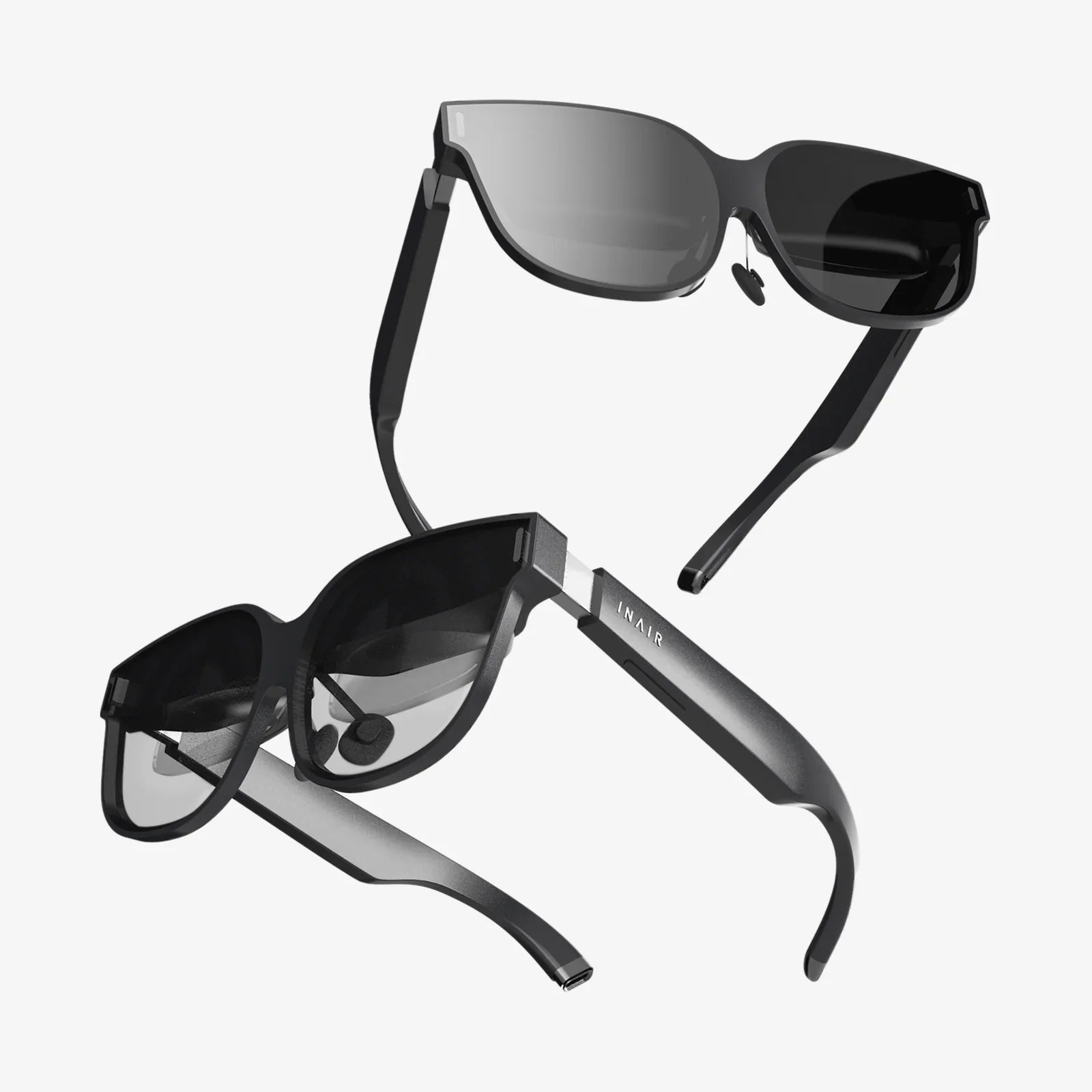
Imagine walking into a crowded networking event and knowing everyone’s name, their professional background, and a key topic they’re passionate about before you even shake their hand. Envision strolling through a foreign city where street signs automatically translate, historical facts about a building pop up as you gaze at it, and you can share this augmented view in real-time with a friend thousands of miles away. This is not a distant science fiction fantasy; it is the emerging reality being shaped by the integration of advanced artificial intelligence into smart glasses, a fusion that is fundamentally redefining the very fabric of social interaction. The most profound impact of this technology lies not in its computational power, but in its social features—the suite of capabilities designed to connect, enhance, and mediate our experiences with the world and each other.
The Evolution from Utility to Social Catalyst
The journey of smart glasses began with a focus on utilitarian function—providing a heads-up display for information like directions or notifications. Early iterations were often clunky, socially awkward, and offered limited value beyond a novelty factor. They were perceived as isolated devices for individual consumption. The pivotal shift occurring now is the move from a personal information device to a social interaction platform. This transformation is powered by AI, which acts as the central nervous system, processing vast amounts of visual and auditory data to provide contextually relevant, socially intelligent assistance. The hardware provides the eyes and ears, but the AI provides the brain and the social grace, enabling features that are intuitive, helpful, and, most importantly, designed for shared experiences.
Deconstructing the Core Social Features
The social prowess of modern AI smart glasses can be broken down into several interconnected layers of functionality, each contributing to a richer social tapestry.
Real-Time Information Overlay and Contextual Awareness
At the most basic level, AI continuously analyzes the user’s field of view. Using computer vision and machine learning, it can identify objects, people, text, and locations. This capability unlocks powerful social tools:
- Augmented Introductions: For individuals with face blindness or those in large professional settings, discreet name and affiliation tags can appear above people’s heads (with appropriate permissions and privacy safeguards), eliminating awkwardness and fostering smoother conversations.
- Live Translation: Perhaps one of the most socially transformative features. AI can translate foreign language menus, signs, and even spoken dialogue in real-time, presenting the translation directly onto the user’s view. This effectively breaks down language barriers, making travel and cross-cultural communication seamless and more profound.
- Contextual Factoids: Looking at a landmark? The AI can overlay historical data. Discussing a complex concept? It can pull up relevant diagrams or definitions. This shared contextual knowledge enhances group learning and discussion, turning any environment into an interactive classroom or museum.
Enhanced Communication Modalities
Smart glasses move beyond traditional audio and video calls by integrating the user’s perspective into the communication stream.
- First-Person Perspective Sharing: Users can live-stream their point of view to friends or family. This allows for a deeply immersive form of sharing experiences, whether it’s a child’s soccer game, a walk through a nature trail, or a complex repair job needing a second set of “eyes.” It’s the ultimate “you had to be there” technology, because now, they can be.
- Gesture-Based Control and Interaction: Social interactions often involve non-verbal cues. AI can interpret subtle head nods, winks, or finger gestures to control the device—taking a photo, sending a pre-written message, or answering a call—without ever needing to touch a phone. This allows for more natural and present interaction with the physical world while staying connected digitally.
- Advanced Audio Processing: AI algorithms can filter out background noise in real-time during calls, ensuring the user’s voice is crystal clear. Conversely, they can also amplify specific sounds in the environment, like a speaker in a large lecture hall, making social engagement in noisy settings significantly easier.
The AI as a Social Coach and Companion
This is where the technology ventures into its most advanced and controversial territory. The AI can analyze social cues from both the user and the people they are interacting with.
- Conversational Prompts: Based on a real-time analysis of a conversation (e.g., detecting a lull or a topic losing steam), the AI could suggest a new topic of discussion drawn from the other person’s public social profile or from the immediate context.
- Emotional Tone Analysis: By analyzing vocal tone and, potentially, micro-expressions (though this raises significant privacy concerns), the AI could provide subtle feedback to the wearer, such as a discreet indicator suggesting they might be speaking too quickly or that their conversation partner seems disengaged.
- Memory Augmentation: For those with social anxiety or memory issues, the AI could record key details from a conversation (with consent from all parties) and provide a summary later, helping the user remember important points like a person’s dietary preferences or the name of their spouse.
The Flip Side: Navigating a Social Minefield
For all their potential to enhance connection, AI smart glasses also present a formidable array of social and ethical challenges that must be thoughtfully addressed.
The Privacy Paradox
This is the single greatest hurdle. A device that is always on, always seeing, and always hearing is a potent surveillance tool. The social contract between the wearer and everyone around them is fundamentally altered. The concept of ambient privacy—the expectation that we are not being recorded in our daily public lives—is eroded. Solutions must be technologically enforced and culturally negotiated: clear visual indicators when recording is active, strict audio and visual encryption, and geofencing capabilities that automatically disable recording in sensitive areas like locker rooms or private homes. The ethical development of this technology demands a principle of data minimization—collecting only what is necessary for a specific, user-consented function and deleting it immediately afterward.
The Etiquette of Augmented Interaction
New social norms will need to emerge. Is it polite to wear smart glasses during a dinner conversation? Is using real-time translation during a negotiation considered fair? Will a reliance on AI-generated conversation starters lead to a degradation of organic social skills? Society will need to develop a new etiquette, a kind of “augmented manners,” to govern the use of this technology in shared spaces. The goal should be to use the technology to enhance human connection, not replace it—to be a tool for better conversation, not a barrier to it.
The Digital Divide and Accessibility
Initially, this advanced technology will be expensive, potentially creating a new digital divide between those who have access to these social augmentation tools and those who do not. This could exacerbate existing social and economic inequalities. Conversely, the technology holds immense promise for accessibility, offering powerful new tools for individuals with visual or hearing impairments, social anxiety disorders, or memory conditions. Ensuring the development of affordable, accessible applications is crucial to harnessing the technology for universal good.
The Future Social Landscape
Looking ahead, the social features of AI smart glasses will become more sophisticated and deeply integrated into our lives. We can anticipate the development of shared augmented spaces where multiple users can interact with the same digital artifacts overlaid on the physical world—collaborating on a 3D model, playing an immersive game in a park, or leaving digital notes and artwork for others to discover. The AI will evolve from a passive assistant to an active participant in social dynamics, potentially capable of mediating disagreements by providing factual context or suggesting compromises based on analyzed data.
The true measure of success for AI smart glasses will not be their technical specifications, but their ability to make us feel more connected, more understood, and more present in our interactions with each other. The challenge for developers, policymakers, and users alike is to steer this powerful technology toward a future that prioritizes genuine human connection over mere technological spectacle, ensuring that the social fabric it helps weave is stronger, more inclusive, and more empathetic than before.
We stand at the precipice of a new era of communication, one where our devices don’t just connect us through screens but enrich the very world we share. The next time you look someone in the eye during a conversation, you might just be interacting with a future where that glance is empowered by an invisible intelligence, designed not to interrupt, but to deepen the human understanding happening in that moment. The potential to overcome barriers, to share our world more completely, and to connect on a level we’ve only imagined is now literally in front of our eyes.
Share:
AR Glasses for Virtual Desktop: The Ultimate Guide to Your Portable Workspace
How to Use AI Glasses: A Complete Guide to Your New Augmented Reality