


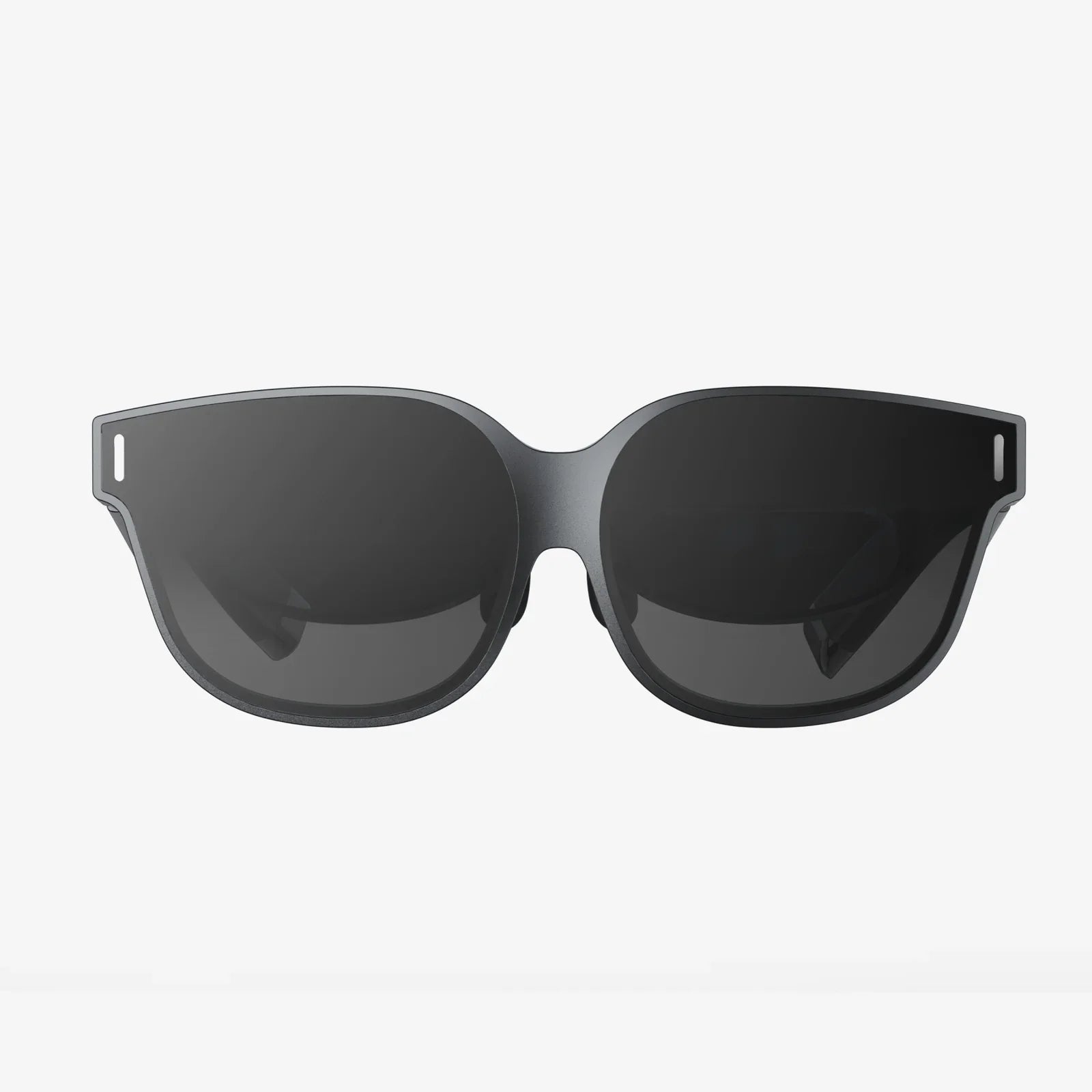
Imagine a world where your customers can try on your products from their living room, see your new furniture in their actual space before buying, or interact with your brand story through a magical, digital layer overlaid on the real world. This isn't a glimpse into a distant future; it's the powerful, accessible, and utterly captivating reality of augmented reality (AR) marketing today. For forward-thinking brands, the question is no longer if AR will become a standard marketing tool, but how to harness its immense potential before the competition does. This guide will demystify the process and provide a clear blueprint for launching campaigns that don't just capture attention but create genuine, measurable value.
The Foundation: Understanding AR's Place in Your Marketing Arsenal
Before diving into tactics, it's crucial to understand what AR is and, just as importantly, what it is not. Augmented reality is a technology that superimposes a computer-generated image, video, or 3D model onto a user's view of the real world. Unlike Virtual Reality (VR), which creates a completely immersive digital environment, AR enhances the real world by adding digital elements to it. This key difference is what makes AR so powerful for marketing—it meets the customer in their own environment.
The marketing landscape is increasingly noisy and competitive. Consumers are adept at ignoring traditional banner ads and pop-ups. AR offers a way to cut through this noise by providing value through utility, entertainment, and immersive storytelling. It transforms a passive audience into active participants. When a user interacts with an AR experience, they are choosing to engage with your brand, dedicating their time and attention in a way that a static ad could never command. This voluntary engagement is the cornerstone of building deeper brand connections.
Strategic Implementation: A Step-by-Step Framework
Success with AR marketing doesn't happen by accident. It requires a strategic approach aligned with clear business objectives.
Step 1: Define Your Objective and Audience
Every successful marketing campaign starts with a clear goal. Are you aiming to boost online sales, increase in-store foot traffic, enhance brand awareness, or improve product education? Your objective will dictate the type of AR experience you create. Similarly, a deep understanding of your target audience is non-negotiable. Consider their tech-savviness, the devices they use, and what kind of content they find valuable. An AR experience for Gen Z gamers will look vastly different from one targeting homeowners in their 40s.
Step 2: Choose the Right AR Experience Type
Not all AR is created equal. The technology can be deployed in several ways, each with its own strengths.
- Marker-Based AR: Requires a specific image or object (a "marker") to trigger the digital experience. This is perfect for print ads, packaging, or in-store displays. A customer can scan a product's box with their phone to see a 3D animation or access a tutorial.
- Markerless AR (or Location-Based AR): Uses GPS, digital compasses, and accelerometers in smartphones to place digital content in a specific real-world location. This is ideal for outdoor advertising, historical tours, or guiding users to a physical store.
- Projection-Based AR: Projects synthetic light onto physical surfaces, creating interactive displays. While more complex, it can be used for stunning in-store window displays or at events.
- Superimposition-Based AR: Partially or fully replaces the original view of an object with a newly augmented view. The classic example is virtually placing a piece of furniture in a room to see how it looks and fits.
Step 3: Focus on Value, Not Just Gimmicks
The biggest pitfall in AR marketing is creating a flashy experience with no substance. The "wow" factor will grab attention initially, but utility will sustain it and drive conversions. Ask yourself: does this AR experience solve a problem, answer a question, or make the customer's life easier? For instance, an AR experience that lets you see how a new paint color would look on your wall provides clear utility. An AR game that is merely fun but has no connection to your brand's value proposition is often a wasted effort.
Step 4: Prioritize Seamless Accessibility
The barrier to entry must be incredibly low. The best AR experiences are often web-based (WebAR), meaning users don't need to download a dedicated app. They simply click a link or scan a QR code, and the experience launches instantly in their mobile browser. For more complex experiences, leveraging social media platforms' built-in AR tools (like filters and lenses) can provide instant access to a massive, built-in audience. Forcing a user to download a large, rarely-used app is a surefire way to kill engagement.
Step 5: Promote and Integrate
An amazing AR experience is useless if no one knows about it. Integrate it seamlessly into your broader marketing campaign. Promote your AR filter on social media, print QR codes on your product packaging and in-store displays, and feature it prominently in your email newsletters. Show it in action with demo videos. The goal is to make the path to the AR experience as intuitive and obvious as possible.
Step 6: Measure, Analyze, and Iterate
Like any marketing initiative, you must track your results. Define key performance indicators (KPIs) based on your initial objective. These could include:
- Number of scans or interactions
- Dwell time (how long users spend with the experience)
- Social shares and mentions
- Conversion rate (e.g., clicks to purchase, store visits)
- Reduction in product return rates
Use this data to understand what's working, what isn't, and how you can improve your next AR campaign.
Compelling Use Cases and Applications
The theoretical framework comes to life through practical application. Here are some of the most effective ways brands are using AR today.
Try-Before-You-Buy and Virtual Product Placement
This is arguably the most powerful application of AR in marketing, especially for retail. It directly addresses a key obstacle in online shopping: the inability to physically interact with a product. AR allows customers to:
- Virtually "try on" makeup, glasses, watches, or clothing.
- See how a new sofa, lamp, or rug would look and fit in their actual living space.
- Visualize a new car in their driveway or test different color options.
This application not only boosts consumer confidence and reduces purchase hesitation but also directly leads to a decrease in product returns, saving businesses significant money.
Interactive Packaging and Print Materials
Transform static, physical objects into dynamic digital portals. By scanning a product's package, a magazine ad, or a poster with a smartphone, users can unlock a wealth of additional content:
- Demonstration videos showing the product in use.
- Access to exclusive offers or downloadable content.
- An immersive 3D story about the product's origin or creation.
- Interactive games or contests that drive engagement.
This breathes new life into traditional marketing materials and creates a memorable, multi-sensory brand interaction.
Immersive Storytelling and Brand Experiences
AR allows brands to tell their stories in a deeply engaging way. Instead of just telling customers about your brand's history or values, you can show them. Museums can bring exhibits to life, allowing historical figures to tell their own stories. Travel companies can transport users to a destination, letting them explore a hotel room or a beachfront. Food and beverage companies can take users on a journey to the source of their ingredients. This emotional, story-driven connection builds brand loyalty that transcends a simple transaction.
Gamified Campaigns and Social Media Filters
Leveraging the playful nature of AR can generate massive brand awareness and viral sharing. Creating a fun, engaging, and on-brand filter for popular social media platforms encourages users to create and share their own content, effectively turning them into brand ambassadors. Scavenger hunts, interactive games, and photo-worthy AR moments at events or in specific locations can create buzz and foster a sense of community around your brand.
Overcoming Challenges and Looking Ahead
While the potential is staggering, implementing AR is not without its challenges. Brands must consider development costs, ensure the experience is optimized for a wide range of devices to avoid glitches, and, most importantly, maintain a relentless focus on the user experience. However, as technology advances, these barriers are rapidly falling. The proliferation of 5G will enable richer, more complex experiences without lag, and the eventual adoption of AR wearables will move these interactions from the smartphone screen directly into our field of vision.
The future of AR in marketing is not just about overlaying digital objects; it's about creating persistent, context-aware digital layers that are seamlessly integrated into our daily lives. Imagine walking down a street and seeing personalized offers floating in the windows of your favorite stores, or receiving step-by-step AR instructions hovering over a product you just purchased. The line between the physical and digital worlds will continue to blur, and marketing will become a more integrated, helpful, and immersive part of the customer journey.
The brands that will win tomorrow are the ones experimenting with and investing in AR today. This isn't about chasing a fleeting trend; it's about fundamentally reimagining how you connect with your audience. By starting with a clear strategy, focusing on delivering undeniable value, and creating seamless, accessible experiences, you can leverage augmented reality to build deeper relationships, drive significant business outcomes, and position your brand not as a follower, but as a pioneer in the next evolution of marketing.
Share:
XR Glasses Updates: The Unseen Evolution Reshaping Our Reality
Augmented Reality Supported Devices: The Portal to a New Digital Layer of Reality