


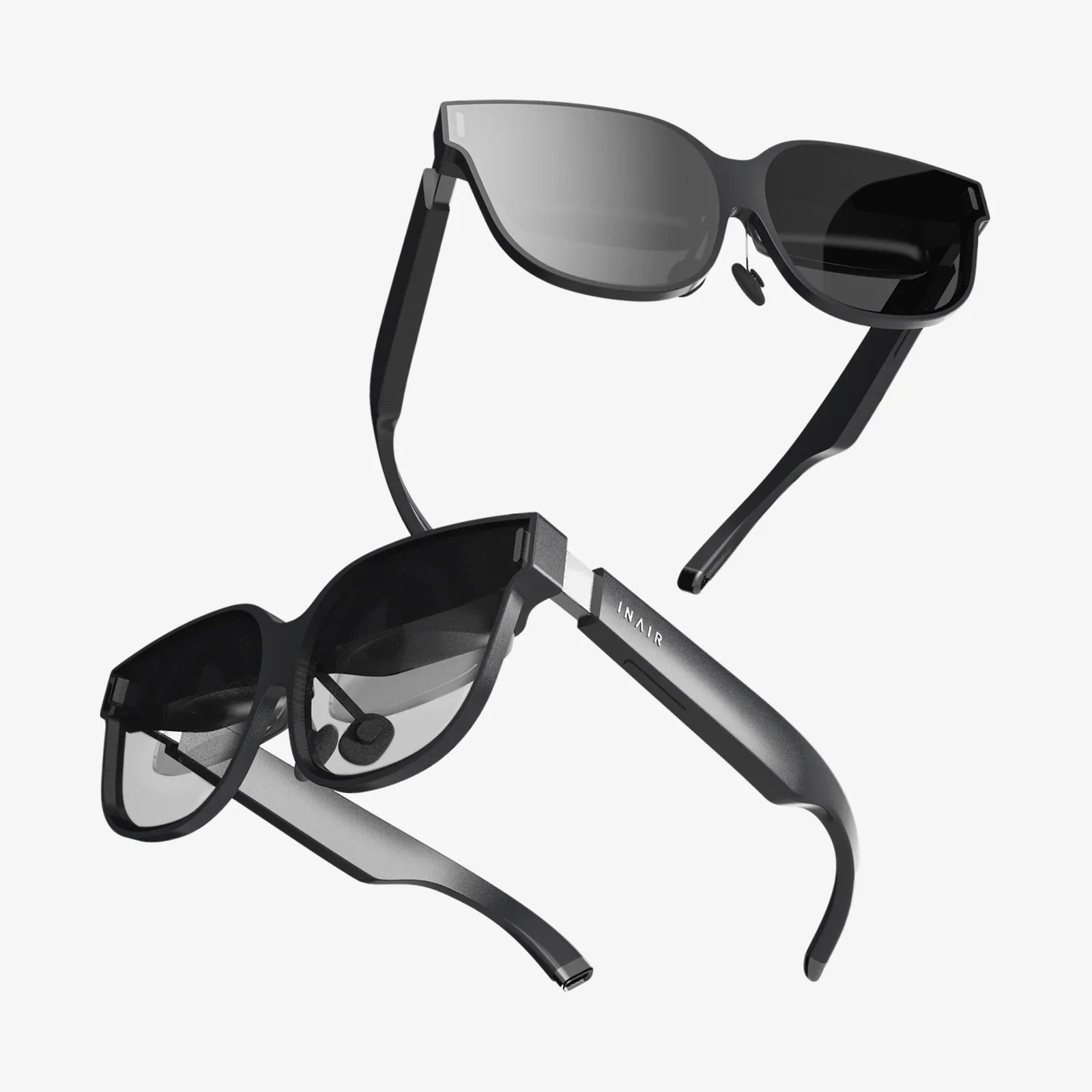
Imagine a world where the digital and physical coalesce so seamlessly that your glasses become the ultimate portal to information, entertainment, and connection—this is the promise of XR glasses, a promise being fulfilled not in a single launch, but through a relentless stream of critical updates.
The Silent Engine of Progress: Beyond the Hardware Hype
When most people think of technological advancement, they envision sleek new hardware: thinner profiles, brighter displays, and more powerful processors. While these elements are crucial, the true soul of any modern XR device lies in its software and the constant, iterative updates it receives. A pair of XR glasses is not a static product purchased off the shelf; it is a living, breathing platform that evolves, improves, and expands its capabilities over time. This continuous evolution through updates is what separates a fleeting gadget from a foundational tool, transforming initial limitations into newfound strengths and constantly redefining the very experience of augmented reality.
Decoding the Update: A Multifaceted Approach to Enhancement
The term "update" is deceptively simple. In the context of XR glasses, it encompasses a wide spectrum of improvements, each targeting a different layer of the user experience. Understanding these categories is key to appreciating the full scope of this ongoing revolution.
Operating System and Core Platform Updates
This is the foundational layer. Much like a phone receiving a new version of its OS, XR glasses receive comprehensive platform updates that overhaul the user interface (UI), introduce new system-wide features, and enhance core functionality. These updates can dramatically improve usability, making complex interactions more intuitive. They might introduce a new spatial window management system, a revamped digital home environment, or deeper integration with other devices in a user's ecosystem. These are the updates that fundamentally change how you navigate and interact with the augmented world, moving from a clunky beta feel to a polished and cohesive experience.
Computer Vision and Spatial Understanding Upgrades
At the heart of any XR experience is the device's ability to see, map, and understand the physical world around you. This is perhaps the area where updates have the most profound impact. Through sophisticated algorithms and machine learning models delivered via updates, the glasses' depth sensors and cameras become significantly more accurate. Updates can enhance:
- Mesh Reconstruction: Creating a more detailed and stable digital twin of your room, allowing virtual objects to occlude more realistically behind real-world furniture.
- Persistent Anchor Stability: Ensuring the digital portrait on your wall or the virtual monitor on your desk stays precisely in place, even if you leave the room and return days later.
- Object Recognition: Evolving from simply seeing a "surface" to recognizing specific objects: a couch, a table, a lamp. This allows for context-aware interactions, like having a virtual control panel automatically appear next to your smart lamp.
These are not mere incremental improvements; they are leaps in fidelity that make the magic of AR feel truly magical and reliable.
User Interface and Interaction Model Evolution
How do you control a world layered on top of your own? Early solutions relied on awkward handheld controllers or basic hand-tracking that felt imprecise. Updates are rapidly solving this. New interaction models are being pushed out that refine hand-tracking to sub-millimeter accuracy, allowing for delicate pinches, precise pointing, and intuitive gestures that feel as natural as using your hands in the real world. Eye-tracking, another feature heavily refined through software, is becoming a powerhouse for input, enabling foveated rendering (dramatically boosting performance) and creating incredibly efficient UI navigation where you simply look at what you want to select.
Performance and Battery Life Optimization
XR applications are notoriously demanding, processing vast amounts of visual data in real-time. Updates consistently include under-the-hood optimizations that make more efficient use of the hardware. Graphics pipelines are streamlined, background processes are trimmed, and thermal management is improved. The result? Smoother animations, higher frame rates for a more comfortable experience, and crucially, extended battery life. What was once a 90-minute experience can, through software alchemy, become a two-hour or longer session, fundamentally changing the practicality of the device for all-day use.
The Expanding Universe of SDKs and Developer Tools
For the ecosystem to flourish, developers need powerful and accessible tools. Regular updates to Software Development Kits (SDKs) and creator tools are arguably the most important updates of all. These updates provide developers with new APIs, more sophisticated simulation environments, and pre-built templates for common AR tasks. This empowers creators to build more complex, stable, and innovative applications faster. A single SDK update can unlock a wave of new apps and experiences for users, from advanced multiplayer games to sophisticated engineering and design tools, all without the user needing to purchase new hardware.
The Real-World Impact: How Updates Transform Use Cases
These technical improvements are not abstract; they directly enable and enhance real-world applications across every sector.
Revolutionizing Remote Work and Collaboration
Early attempts at virtual meetings in XR were often gimmicky. Updates have transformed this. With improved passthrough clarity, colleagues' avatars can now share your physical space with stunning realism. Persistent spatial anchors allow for virtual whiteboards and 3D models to become permanent fixtures in a conference room. Enhanced hand-tracking enables natural collaboration, manipulating virtual objects together as if they were physically present. What was once a novelty is now a powerful tool for distributed teams, reducing travel and fostering a stronger sense of presence, all powered by software delivered over the air.
Unlocking New Frontiers in Training and Education
From medical students practicing complex surgical procedures on detailed holograms to mechanics learning to repair new engine models with step-by-step AR instructions overlayed onto physical equipment, the educational potential is vast. Updates that improve tracking stability and object recognition are critical here; a drifting hologram during a delicate surgical step is unacceptable. Each update brings more realism, reliability, and interactivity to these training scenarios, making them more effective and accessible.
Redefining Entertainment and Social Connection
The entertainment landscape is being reshaped. Updates enable more immersive gaming experiences where your entire living room becomes the level. Social platforms are updated to support more expressive avatars, better spatial audio so voices come from where friends are "standing" in your room, and shared experiences like watching a virtual movie on a giant screen against your wall. These updates are building the foundation for a new kind of social internet—one based on shared presence rather than flat feeds and comments.
The Challenges and Considerations of a Living Platform
This always-evolving model is not without its challenges. For users, it can sometimes feel like a moving target; an app workflow they rely on might change with an update. For developers, it creates a constant need to test and adapt their applications to new OS versions and capabilities. Furthermore, it raises questions about the longevity of hardware. How many years of updates will a device receive? Will older hardware be able to run the latest software features, or will it eventually be left behind? This "planned evolution" requires a new kind of relationship between user, developer, and manufacturer, built on trust and a commitment to long-term support.
Gazing into the Future: The Update Horizon
The trajectory of XR glasses updates points towards even deeper integration into our lives. We can anticipate updates that leverage increasingly powerful AI to provide real-time context and information based on what you're looking at—translating street signs instantly, providing nutritional information by glancing at a menu, or offering historical facts about a landmark. We will see the blending of the digital and physical become so complete that the concept of an "update" will simply be the device getting smarter, more perceptive, and more helpful, day by day. The line between what the hardware can do and what the software enables will blur into oblivion.
The most exciting application for your XR glasses hasn't been invented yet. It's waiting in a line of code, scheduled for a future update that will quietly download overnight, ready to redefine your reality the moment you put them on.
Share:
AR VR AR: The Seamless Loop of Our Digital and Physical Futures
How to Use Augmented Reality (AR) in Marketing: A Complete Strategy Guide