


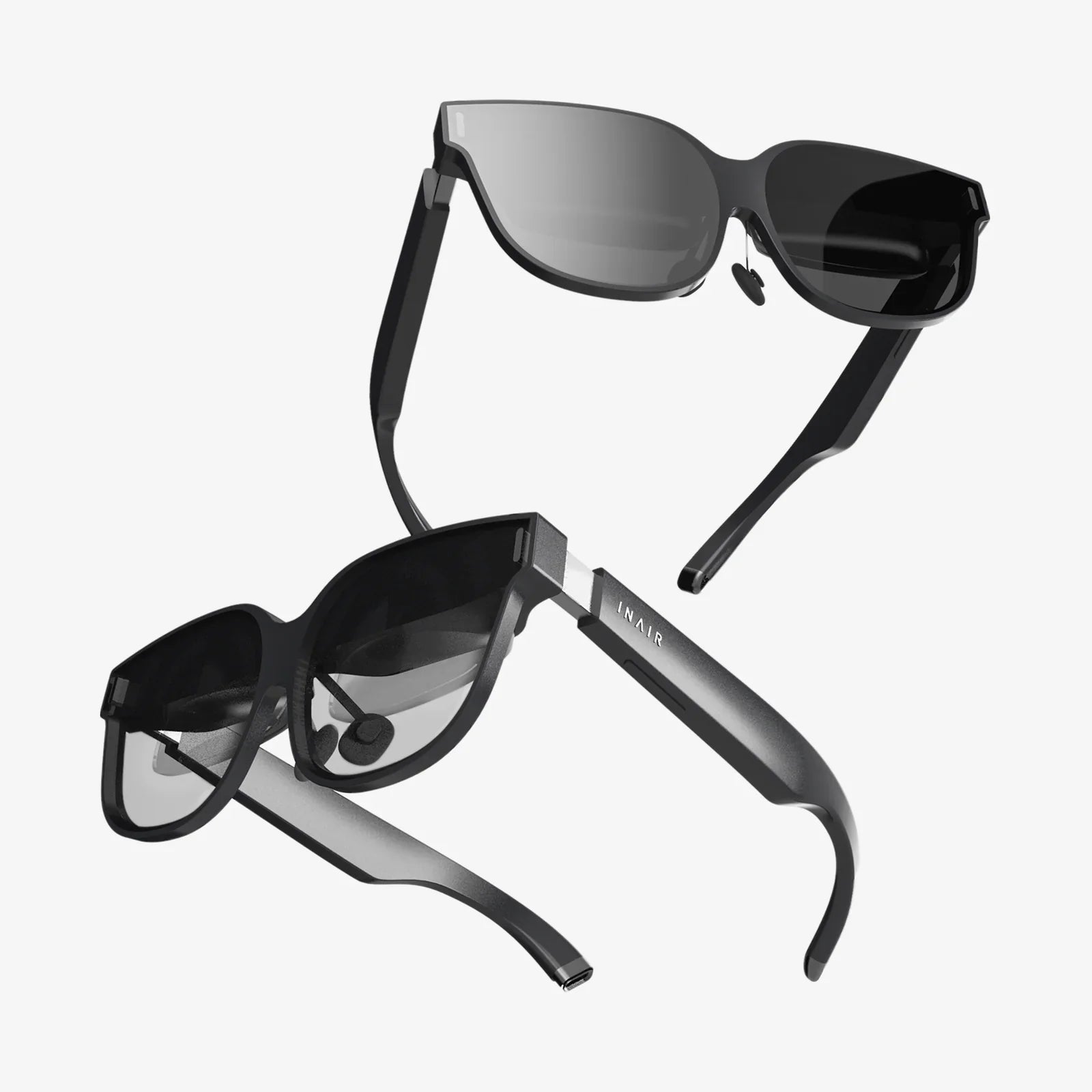
Imagine strapping on a headset and instantly being transported—to the summit of Mount Everest, the surface of Mars, or the operating room of a master surgeon. This is the breathtaking promise of virtual reality, a technology that has vaulted from the pages of science fiction into our living rooms, offering a new lens through which to view not just digital worlds, but our own humanity. The question is no longer if we can access these experiences, but how to view virtual reality with the depth, criticality, and wonder it deserves, moving beyond mere spectacle to understand its transformative potential and profound implications.
Beyond the Screen: Understanding the Core Technology
To truly grasp how to view virtual reality, one must first understand its fundamental mechanics. Unlike traditional media viewed on a flat screen, VR operates on the principle of immersion. It seeks to shut out the physical world and replace it with a convincing digital one, tricking the brain into accepting the simulation. This is achieved through a combination of sophisticated hardware and software working in concert.
The primary gateway is the head-mounted display (HMD). These devices contain high-resolution screens placed mere centimeters from the eyes, with lenses that warp the image to fill the user's field of view. This creates the sensation of being inside the environment. However, visual fidelity is only one piece of the puzzle. Head-tracking technology, using a combination of gyroscopes, accelerometers, and external or internal cameras, is crucial. It monitors the user's head movements—up, down, left, right, and even the subtle tilt—and adjusts the perspective in the virtual world in real-time. This 1:1 movement is what creates the visceral feeling of presence, the holy grail of VR where the mind accepts the virtual environment as real.
This experience is often enhanced by spatial audio. Instead of stereo sound that feels like it's coming from headphones, spatial audio uses complex algorithms to make sounds appear to originate from specific points in the 3D space. The creak of a door behind you or the whisper from your left feels authentic, deepening the immersion. For the highest level of interaction, motion controllers are used. These handheld devices are also tracked, allowing users to reach out, grab, manipulate, and interact with the virtual world using their own hands, completing the illusion of being an active participant rather than a passive observer.
A Spectrum of Experiences: From Consumer Entertainment to Professional Powerhouse
The next step in learning how to view virtual reality is to appreciate its vast and varied applications. It is a mistake to pigeonhole VR solely as a gaming accessory; its utility spans numerous domains, each with its own unique value proposition and mode of engagement.
The Entertainment Arena
This is the most visible face of VR. Here, users are active protagonists. They don't just watch a hero slay a dragon; they are the hero, feeling the weight of the sword and the heat of the dragon's breath. Beyond gaming, VR is revolutionizing cinematic storytelling. 360-degree films place the viewer directly in the center of the action, allowing them to choose where to look, creating a deeply personal narrative experience. Virtual concerts and social platforms allow people to gather from across the globe, represented by avatars, to share events and experiences as if they were physically together, redefining the concept of presence in social connectivity.
The Educational Frontier
Perhaps one of the most powerful applications of VR is in education and training. Textbooks and videos are passive; VR is active and experiential. Medical students can practice complex surgical procedures on virtual patients, making mistakes without consequences. History students can walk through ancient Rome, witnessing the construction of the Colosseum firsthand. Mechanics can train on the intricate systems of a jet engine, taking it apart and reassembling it virtually before ever touching a physical tool. This experiential learning dramatically improves knowledge retention and skill acquisition, offering a safe, scalable, and incredibly effective training environment.
The Corporate and Design Toolbox
In the corporate world, VR is becoming an indispensable tool for collaboration and design. Architects and engineers can step inside their building designs long before the foundation is poured, assessing scale, lighting, and flow in a way blueprints cannot convey. Global teams can meet in a shared virtual boardroom, interacting with 3D models of products and data visualizations, making collaboration more intuitive and effective than a traditional video call. Car manufacturers use VR to prototype new vehicle interiors, testing ergonomics and aesthetics with incredible accuracy, saving millions in physical prototyping costs.
The Therapeutic Landscape
The field of therapy has found a powerful ally in VR. It is successfully being used to treat phobias—such as fear of heights, flying, or public speaking—through controlled, gradual exposure in a safe virtual environment. It aids in physical rehabilitation, turning repetitive exercises into engaging games to motivate patients. For those with anxiety or PTSD, VR can create calming environments for meditation or provide structured scenarios for cognitive behavioral therapy. This therapeutic use demonstrates VR's capacity not just to entertain, but to heal and improve quality of life.
The Human Factor: Navigating the Physical and Psychological Impact
A crucial, and often overlooked, aspect of how to view virtual reality is through the lens of its human impact. This powerful technology is not without its challenges and side effects, which users must acknowledge and navigate.
The most common issue is cybersickness, a form of motion sickness characterized by dizziness, nausea, and disorientation. It occurs when there's a disconnect between what the eyes see (movement in the virtual world) and what the vestibular system in the inner ear feels (no physical movement). While tolerance can be built over time, and technological advancements like higher refresh rates help mitigate it, it remains a significant barrier to entry for some. It is essential to take regular breaks, start with comfortable experiences, and stop immediately at the first sign of discomfort.
Psychologically, the intense immersion of VR can have profound effects. The state of presence can make experiences feel startlingly real, which can lead to strong emotional reactions, both positive and negative. A terrifying horror game in VR is exponentially more impactful than on a TV screen. Furthermore, the phenomenon of proteus effect suggests that the appearance of one's avatar can influence behavior and self-perception within the virtual space. This raises questions about identity and social interaction in digital realms. Prolonged use can also lead to a sense of dissociation or reality blurring after removing the headset, though this typically fades quickly.
Finally, the very nature of VR—an isolating, head-mounted experience—raises questions about social isolation. While it can connect people across vast distances, it does so by physically separating them from their immediate surroundings. Balancing time in rich virtual worlds with engagement in the physical, tangible world is a new social challenge we are only beginning to confront.
The Ethical Dimension: Privacy, Safety, and the Future of Society
To view virtual reality responsibly, one must critically examine its ethical implications. The data collected by VR systems is unprecedented. Headsets with eye-tracking can monitor not just where you look, but for how long, and how your pupils dilate—a direct window into your attention, interest, and emotional arousal. This biometric data is incredibly valuable and sensitive. The potential for misuse by corporations for advertising, or by more nefarious actors for manipulation, is a serious concern that demands robust privacy regulations and transparent data policies.
The concept of safety expands in VR. Physical safety is paramount—ensuring users don't trip over furniture while immersed is a basic requirement. But psychological safety is equally important. Virtual harassment and assault, while not physical, can have very real and lasting traumatic effects on individuals. Creating and enforcing codes of conduct within social VR platforms is a complex but necessary challenge. Furthermore, the potential for hyper-realistic misinformation or propaganda, where anyone can be placed in a convincingly fake scenario, presents a grave threat to truth and society, necessitating the development of new media literacy skills.
A New Philosophical Lens: Redefining Reality and Human Connection
Ultimately, the most profound way to view virtual reality is as a philosophical provocateur. It forces us to ask fundamental questions: What is "real"? If an experience feels real and has real-world consequences on our emotions and thoughts, does its digital origin make it less valid? VR challenges the primacy of physical presence, suggesting that meaningful connection and experience can be facilitated through digital proxies.
It acts as a mirror reflecting our own reality. By giving us the god-like power to create and inhabit any world we can imagine, it highlights the beauty, complexity, and fragility of the one we actually inhabit. It offers not an escape from reality, but a new tool for understanding it—a laboratory for the human experience where the rules of physics, society, and even identity can be rewritten, studied, and appreciated anew.
The journey into virtual reality is not about abandoning our world for a digital one; it's about expanding the very definition of experience. It's a canvas for unparalleled creativity, a scalpel for precision training, a bridge for global connection, and a catalyst for deep philosophical inquiry. As this technology continues to evolve and integrate into the fabric of our daily lives, the most important skill we can cultivate is a thoughtful, critical, and open-minded perspective—one that embraces the awe without ignoring the implications, ensuring that as we build these new worlds, we do so with wisdom, empathy, and a steadfast commitment to enhancing our shared human reality.
Share:
Windows Interactive Desktop: The Future of Personal Computing is Here
Best Wireless Media Streamer - Your Ultimate Guide to Cutting the Cord in 2024