


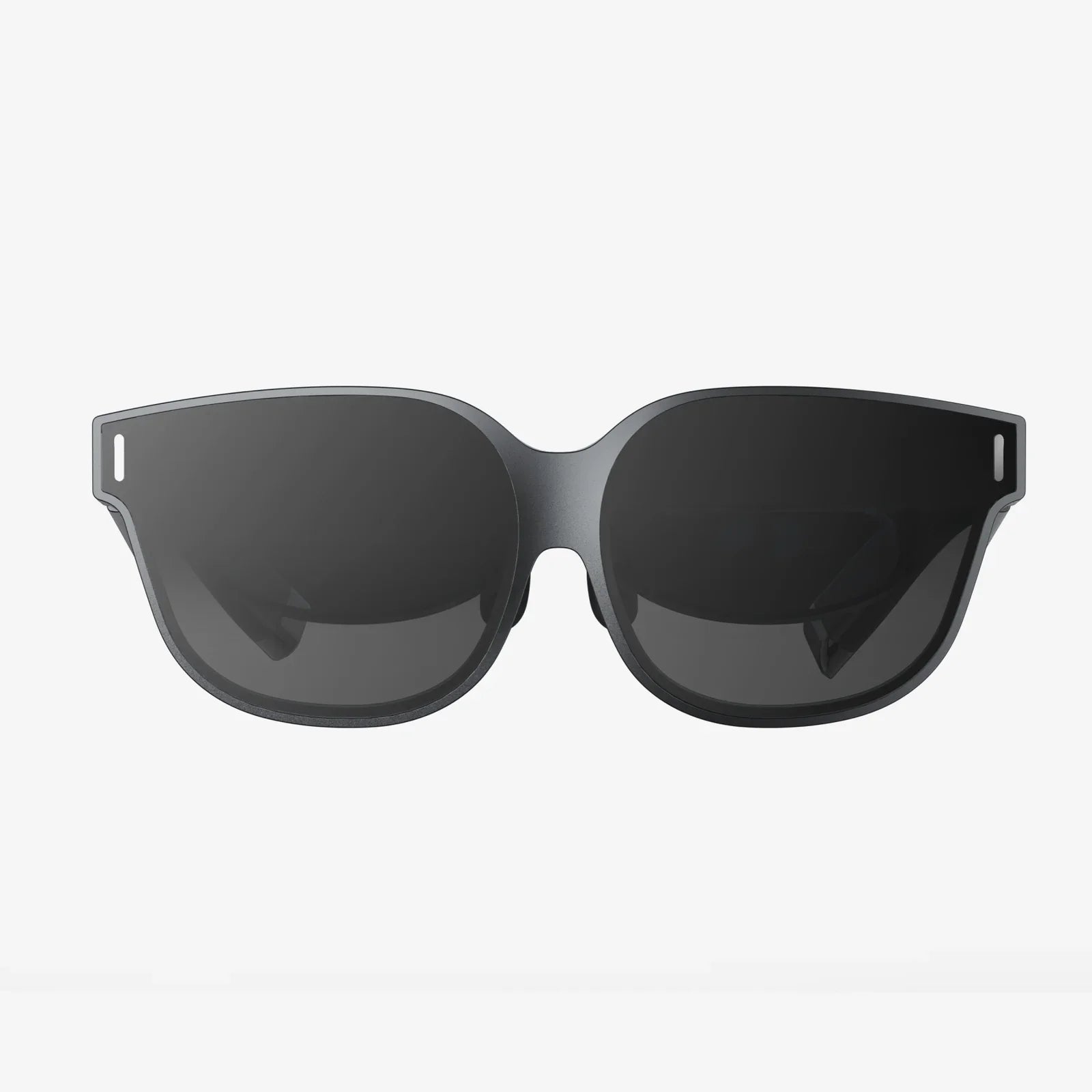
- by wangfred
How to Work in the Virtual Reality Business: A Comprehensive Career Guide
- by wangfred
The digital frontier is no longer a distant concept from science fiction; it’s a burgeoning economic reality, and its primary gateway is virtual reality. The allure of building worlds, crafting immersive narratives, and defining the next era of human-computer interaction is drawing a new generation of pioneers. If you’ve ever wondered how to transition from being a user of this transformative technology to a creator and architect within it, you are asking the right question at the perfect time. The virtual reality business is maturing beyond a niche market into a foundational platform with applications spanning entertainment, enterprise, healthcare, education, and social connection. This creates an unprecedented demand for a diverse array of talent. This guide is your detailed roadmap, designed to demystify the path and provide actionable steps for launching and thriving in a career within the virtual reality ecosystem.
Before diving headfirst into job applications, it is crucial to understand the terrain. The VR industry is not a monolith; it is a complex, interconnected ecosystem comprising several key sectors. Recognizing where your interests and skills might fit is the first critical step.
This sector is the bedrock of VR, concerned with creating the physical and core technological components that make immersion possible. It involves the design, engineering, and manufacturing of head-mounted displays (HMDs), motion controllers, haptic feedback devices, inside-out tracking systems, and emerging peripherals like omnidirectional treadmills. Careers here are highly technical, requiring expertise in fields like optics, electrical engineering, mechanical engineering, sensor fusion, and ergonomics. It’s a domain for those who want to work on the tangible, cutting-edge hardware that powers the entire experience.
If hardware is the body, software is the soul. This vast sector includes the development of the core operating systems and runtime environments that power VR devices. It also encompasses the creation of game engines and their specific VR modules, which are the essential toolsets for all content creators. Developers in this space work on low-level graphics rendering, driver optimization, spatial audio SDKs, and the underlying code that ensures a smooth, high-performance, and comfortable user experience. Proficiency in languages like C++, C#, and a deep understanding of 3D mathematics and graphics APIs are paramount.
This is often the most visible side of the VR business, where ideas become immersive realities. This sector includes:
User experience design in VR is a discipline unto itself. Traditional 2D UX principles do not directly translate into a 360-degree, immersive environment. VR/UX designers must solve unique challenges like user locomotion, intuitive interaction within 3D space, managing virtual comfort (mitigating simulator sickness), and crafting user interfaces that exist in the world rather than on a flat screen. This role is a blend of psychology, ergonomics, and creative design, focused on making complex technology feel natural and effortless for the user.
Not every role in VR requires a technical degree. The industry needs savvy business developers, product managers, marketers, and strategists. These professionals identify market opportunities, develop business models, forge partnerships between hardware manufacturers and content studios, manage product roadmaps, and craft narratives to sell the value of VR solutions to enterprises and consumers alike. They act as the crucial bridge between the technologists and the market.
The required skill set varies dramatically depending on your chosen path, but several core competencies are highly valued across the board.
VR projects are highly interdisciplinary. Effective communication between programmers, artists, designers, and QA testers is essential for success.
Landing a job in VR requires a strategic and proactive approach. A standard resume alone is often not enough.
While formal education in computer science, game development, or digital art is beneficial, it is not the only path. The democratization of knowledge through online learning platforms has been a game-changer. Dedicate yourself to structured online courses and tutorials focused on your engine of choice (Unity or Unreal). The key is to move beyond passive learning and into active creation as quickly as possible.
In the VR business, your portfolio is your most important asset. It is tangible proof of your skills, passion, and understanding of the medium. Do not just list skills on your resume; demonstrate them.
The VR community is one of its greatest strengths. Immerse yourself in it.
Not all VR companies are the same. Research studios and companies deeply. Do you want to work on enterprise training simulations or experimental narrative games? Tailor your application and portfolio to the specific company and role. Use platforms like LinkedIn to connect with current employees, learn about company culture, and discover unadvertised opportunities. Be prepared to start in an adjacent role (e.g., QA tester) to get your foot in the door and learn the production pipeline from the inside.
The VR industry is exciting but also volatile and rapidly evolving. Long-term success requires adaptability.
The technology stack and best practices in VR change quarterly. What was standard a year ago may be obsolete today. Cultivate a mindset of continuous learning. Follow industry leaders, read developer blogs, experiment with new SDKs and hardware, and constantly update your skill set. The most valuable professionals are those who can learn and adapt quickly.
Even if you are in a technical or creative role, understanding the business models that sustain VR (enterprise licensing, consumer sales, subscription services) will make you a more effective and valuable team member. It allows you to align your work with the commercial goals of your project, making you more than just a cog in the machine.
The industry needs deep specialists, but it also values T-shaped individuals—people with deep expertise in one area but broad knowledge across related disciplines. A programmer who understands 3D art constraints or a designer who understands basic coding principles can communicate more effectively and solve problems more holistically.
The journey to building a career in virtual reality is more accessible than ever, but it demands genuine passion, demonstrable skill, and strategic networking. It’s a field for builders, problem-solvers, and visionaries who are not just waiting for the future to arrive but are actively engaged in its construction. By mastering the tools, building a compelling portfolio that showcases your unique voice, and embedding yourself in the community, you position yourself at the forefront of a digital revolution. The virtual doors are open, and the blueprint for your new career is waiting to be written—in code, in polygons, and in immersive experience. Your first step into this expansive new world begins not with a headset, but with a decision to start building.
Share:
Virtual Reality Business Intelligence: The Immersive Frontier of Data Analytics
Virtual Reality Imaging: Redefining Reality and Reshaping Our World