


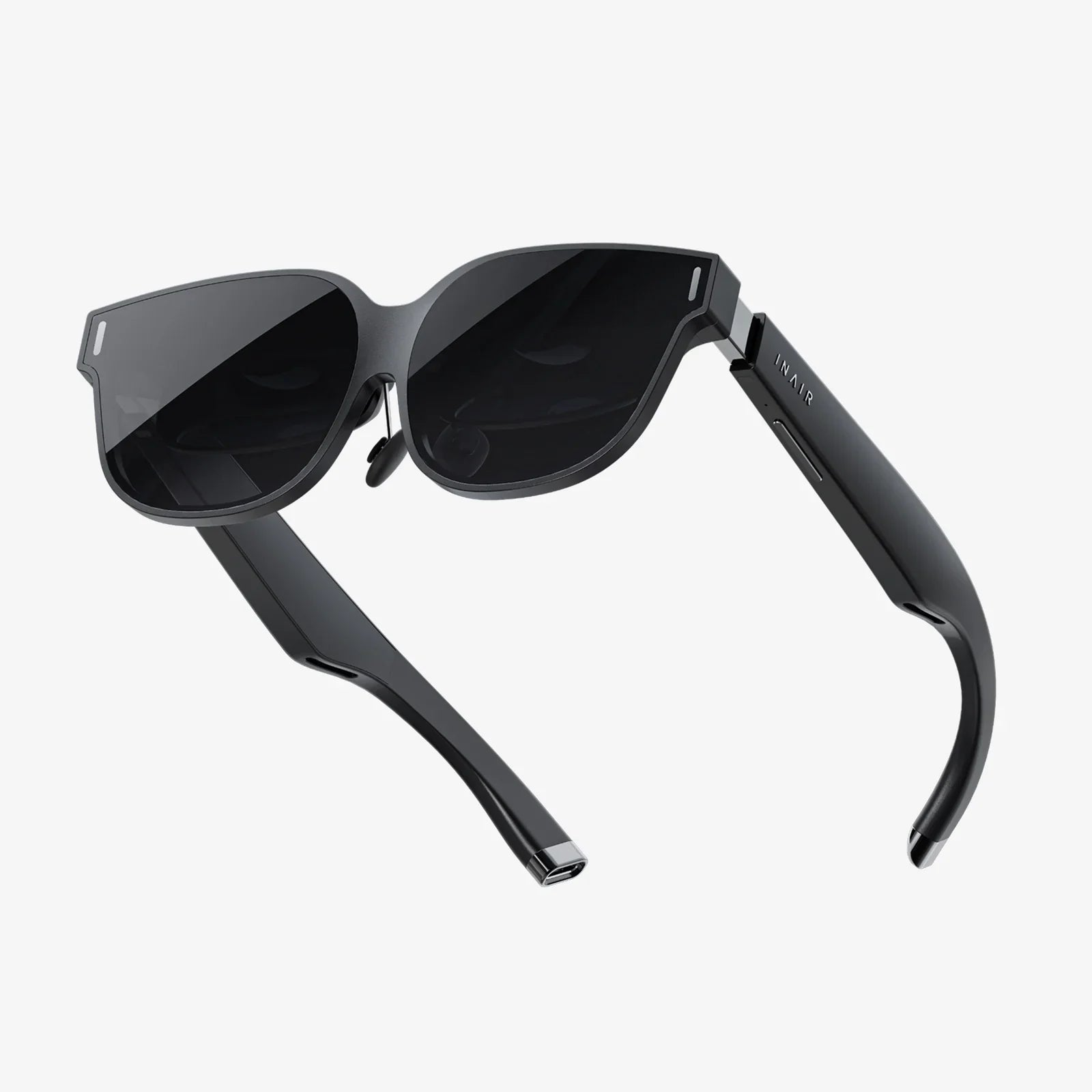
Imagine stepping into a new world without leaving your room, performing delicate heart surgery from a continent away, or walking on the surface of Mars. This is no longer the stuff of science fiction. The emergence of accessible, high-fidelity virtual reality technology has unleashed a seismic shift across our global landscape, quietly and profoundly altering the very fabric of how we live, work, learn, and connect. It’s a revolution that began in research labs and gaming arcades but has since exploded into a force that is reshaping our world in ways we are only beginning to comprehend.
The Genesis of a New Dimension
The conceptual roots of virtual reality stretch back decades, often depicted in popular culture as a futuristic fantasy. For years, it remained a cumbersome, expensive, and niche technology, confined to specialized military, academic, and industrial applications. The true turning point, the catalyst for its world-changing potential, was the convergence of several critical technological advancements. The exponential growth in processing power, the miniaturization of high-resolution displays, and the development of sophisticated motion-tracking sensors finally allowed VR to shed its clunky prototype phase. This technological trifecta birthed a new generation of headsets that were not only powerful but also accessible, affordable, and comfortable enough for prolonged use, effectively democratizing an experience that was once the domain of a privileged few.
Transforming the Classroom and the Boardroom
Perhaps one of the most profound impacts of virtual reality has been in the realm of education and professional training. The old model of learning from textbooks, diagrams, and lectures is being rapidly supplemented—and in some cases, replaced—by immersive, experiential learning.
In medical schools, students no longer need to wait for scarce cadavers to understand human anatomy. They can don a headset and step inside a photorealistic, interactive human body, navigating the circulatory system, examining muscles from every angle, or practicing complex surgical procedures on virtual patients. This hands-on, zero-risk environment accelerates learning and builds muscle memory and confidence in a way that traditional methods simply cannot match. The same principle applies to fields like aviation, where pilots train in hyper-realistic flight simulators, or mechanical engineering, where apprentices can disassemble and reassemble a virtual jet engine, learning the intricacies of every component without the cost or danger of a multi-million-dollar physical prototype.
Beyond specialized training, VR is reshaping the modern workplace itself. The concept of the 'virtual office' has evolved from simple video calls to fully realized shared digital spaces. Colleagues from across the globe can meet as lifelike avatars around a virtual conference table, interact with 3D models of a new product design, or collaborate on a virtual whiteboard, fostering a sense of presence and teamwork that flat screens fail to replicate. This has monumental implications for remote work, global collaboration, and reducing the carbon footprint associated with business travel.
A New Paradigm for Healthcare and Therapy
The therapeutic potential of virtual reality represents another monumental shift in global healthcare. Clinicians are harnessing its power to treat a range of physical and psychological conditions with remarkable efficacy.
In physical rehabilitation, VR games and exercises transform repetitive, often tedious recovery routines into engaging and motivating activities. A patient recovering from a stroke can practice arm movements by playing a virtual game of fruit ninja, while someone rehabilitating a leg injury can go for a 'hike' through a beautiful forest, all while their progress is meticulously tracked by therapists. This gamification of therapy significantly improves patient engagement and outcomes.
Perhaps even more revolutionary is the application of VR in mental health. Exposure therapy, a common treatment for phobias and post-traumatic stress disorder (PTSD), has been utterly transformed. Instead of asking a patient with a fear of flying to imagine an airplane, a therapist can now gradually and safely expose them to a virtual airport, a virtual takeoff, and even virtual turbulence, all within a controlled environment. This precise level of control allows for personalized, progressive treatment that was previously impossible. Furthermore, VR is being used for mindfulness and meditation, transporting users to serene beaches or tranquil mountaintops to combat stress and anxiety, offering a powerful tool for mental well-being on a global scale.
Redefining Entertainment and Social Connection
The most visible and consumer-facing change driven by virtual reality is in the entertainment industry. Gaming, the initial driver of consumer VR, has evolved into a deeply immersive art form. Players are no longer controlling a character on a screen; they are inside the game world, looking around with their own eyes, interacting with their own hands. This creates an unparalleled level of emotional engagement and presence, from the heart-pounding terror of a horror game to the awe-inspiring scale of a virtual fantasy realm.
But the impact extends far beyond gaming. Live events have been reimagined. You can have a front-row seat at a concert by your favorite artist, stand courtside at a major sporting event, or attend a live theater performance, all from your living room. This democratizes access to cultural experiences, making them available to people regardless of geographical location or physical mobility. Filmmaking, too, is undergoing a revolution, with directors crafting immersive 360-degree narratives that place the viewer at the very center of the story.
This technology is also forging new pathways for social interaction. Social VR platforms allow people to meet, talk, play games, and watch movies together as personalized avatars. For individuals facing social isolation due to distance, disability, or social anxiety, these platforms offer a powerful sense of community and belonging. It is a new form of digital togetherness that more closely mirrors the nuances of face-to-face interaction than any previous technology.
Architecting the Future and Preserving the Past
In the realms of architecture, engineering, and construction, virtual reality has become an indispensable tool. Architects and their clients can now 'walk through' a fully rendered 3D model of a building long before the foundation is ever poured. They can experience the flow of space, test the lighting at different times of day, and make design changes in real-time, saving enormous amounts of time, money, and resources. Urban planners are using VR to simulate traffic patterns and the environmental impact of new developments, creating smarter and more sustainable cities.
Conversely, VR is also being used as a powerful tool for preservation. Historians and archaeologists are creating detailed virtual reconstructions of ancient historical sites, from the Roman Forum to crumbling medieval castles. This allows for both scholarly study and public access to culturally significant locations that may be too fragile for tourists or that have been lost to time, war, or natural disaster. It is a digital time machine, preserving our shared heritage for future generations in a dynamic and interactive format.
Navigating the Ethical and Societal Challenges
Such a powerful and pervasive technology does not arrive without its challenges and ethical dilemmas. The concept of the 'metaverse'—a persistent network of shared virtual spaces—raises complex questions about data privacy, digital identity, and economic equity. As we spend more time in these digital realms, who owns our virtual data and experiences? How do we prevent the creation of new digital divides between those who can afford advanced VR equipment and those who cannot?
Furthermore, the psychological effects of long-term immersion in virtual environments are not yet fully understood. The potential for addiction, the blurring of lines between reality and simulation, and the impact on real-world social skills are serious concerns that society must proactively address. Ensuring the ethical development and equitable distribution of this technology is paramount to ensuring it changes the world for the better, and not merely for a select few.
The journey of virtual reality is far from over; in many ways, it has just begun. From its role in pioneering remote surgery and revolutionizing pain management to its potential in unlocking new forms of artistic expression, its trajectory points toward an even more integrated future. It promises a world where physical location is no longer a barrier to experience, where learning is a visceral adventure, and where human connection transcends the limitations of the physical plane. The virtual door is now open, and having stepped through, our world will never be the same again.
Share:
Is It Best Practices for Optimizing Digital Workplace Search? The Definitive Guide
What Age Is Appropriate For Virtual Reality: A Guide For Parents And Educators