


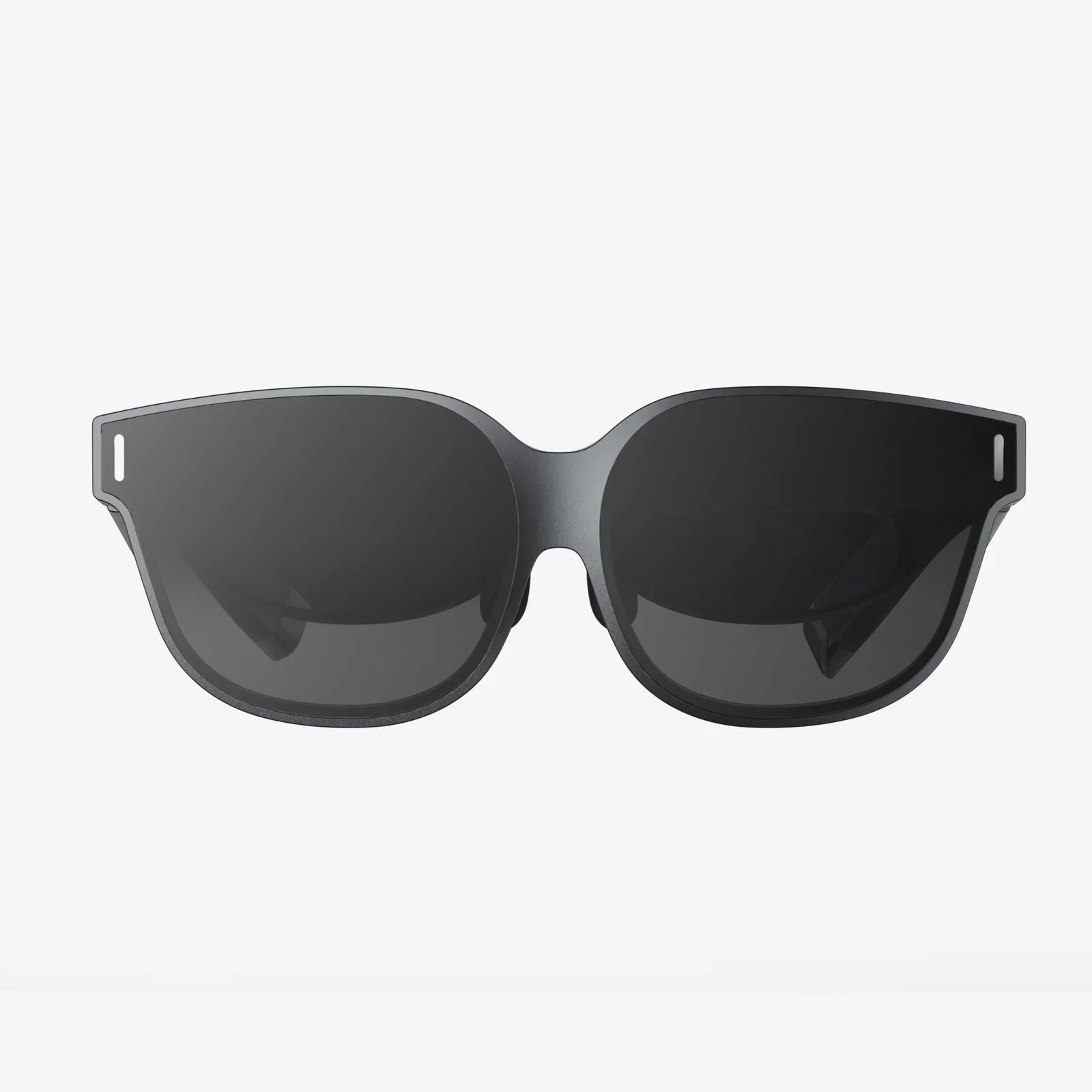
Imagine a world where your child can walk with dinosaurs, explore the human bloodstream as a tiny adventurer, or practice a speech in front of a virtual audience of thousands. This is the incredible, immersive promise of virtual reality, a technology that is rapidly moving from science fiction to household reality. But for every parent captivated by its potential, a pressing, and often unsettling, question emerges from the digital fog: what age is truly appropriate for virtual reality? The answer is not a simple number on a birthday cake; it's a complex equation balancing wonder with well-being, and potential with precaution.
The Allure and The Anxiety: Why This Question Matters
Virtual reality is fundamentally different from any screen technology that has come before it. Unlike television or tablets, which are observed from a distance, VR is an embodied experience. A headset replaces a user's visual and auditory reality, creating a powerful sensation of "presence"—the feeling of actually being inside the digital world. This profound immersion is the source of both its incredible educational and entertainment value and its unique set of concerns.
For developers and educators, VR offers unprecedented tools for engagement. Medical students can perform virtual surgeries, history students can experience ancient civilizations, and children with autism can practice social scenarios in a safe, controlled environment. The potential for positive impact is vast. However, this very immersion raises legitimate questions about its effect on developing brains, eyes, and social skills. The debate is not about whether VR is "good" or "bad," but about ensuring that its introduction into a child's life is timed and managed to maximize the benefits and mitigate the risks.
Navigating The Official Landscape: What Do The Tech Giants Say?
Most major hardware manufacturers have established official age guidelines, primarily driven by a surplus of caution regarding physical development.
- Manufacturer A explicitly states its hardware is not to be used by children under the age of 13.
- Manufacturer B provides a similar warning, advising that the headset should be kept away from young children.
- Manufacturer C suggests its product is for users aged 13 and above.
It is critical to understand that these guidelines are often based on product liability and a lack of long-term longitudinal studies on younger users, rather than definitive proof of harm. They are a starting point for parental consideration, not an absolute scientific decree. The fact that a headset is "rated" for age 13 and up does not automatically mean it becomes perfectly safe on a child's 13th birthday. Maturity and individual development are far more significant factors than chronological age alone.
Beyond The Number: Key Considerations For Determining Readiness
Determining the right age for VR is less about finding a magic number and more about assessing a child's individual readiness across several key domains.
1. Physical Development and Health
The most immediate concerns are physical. Young children are in a critical period of visual development.
- Visual System: VR headsets present two slightly different images to each eye to create a 3D effect. For adults, this poses little issue. For children under the age of 6-7, whose eyes are still learning to focus and work together (a skill known as vergence-accommodation), this artificial setup could potentially interfere with natural development. While conclusive long-term evidence is still being gathered, the risk of eye strain, headaches, and potential disruption to developing binocular vision is a primary reason for age restrictions.
- Vestibular System: This is the system in your inner ear that controls balance and spatial orientation. In VR, your eyes may tell your brain you are running, flying, or riding a rollercoaster, but your inner ear and body feel stationary. This sensory conflict is a recipe for cybersickness, a form of motion sickness that can include dizziness, nausea, and sweating. Children can be particularly susceptible.
- Tripping Hazards: Immersion means a child is blind to their physical surroundings. Without a clear, safe play area and adult supervision, the risk of colliding with walls, furniture, or toys is very real.
2. Cognitive and Psychological Maturity
A child's ability to process and contextualize a VR experience is just as important as their physical readiness.
- Distinguishing Fantasy from Reality: Young children, especially those under 7 or 8, are still cementing their understanding of the line between the real and the imaginary. An intensely immersive VR experience could be more frightening or confusing for them than a movie on a TV screen. They may struggle to "leave" the experience emotionally after the headset comes off.
- Content Appropriateness: A child might be physically tall enough to ride a rollercoaster but terrified by the experience. The same applies to VR. A game rated "E for Everyone" might still contain themes, intensities, or social interactions that are not suitable for every child of a given age. A child's temperament, sensitivity, and past experiences must guide content choices.
- Executive Function: Is the child able to follow safety rules, like staying within a designated boundary? Can they self-regulate their time and stop when asked? These skills are essential for a safe and healthy VR experience.
3. Social and Behavioral Impact
Technology never exists in a vacuum; it influences how we interact with the world and each other.
- The Isolation Factor: VR is, by its nature, a solitary activity. While multi-user social platforms exist, the headset physically separates the user from their immediate family and environment. For a developing child, excessive time in VR could potentially come at the expense of crucial face-to-face social interaction, physical play, and unstructured creative time.
- Digital Citizenship: In social VR apps, the question of age appropriateness extends to online conduct and exposure to other users. Ensuring a child is mature enough to handle potential negative social interactions and understands online safety principles is paramount.
Practical Guidelines: A Stage-By-Stage Approach
Based on the current understanding of child development and the nature of VR, here is a practical, stage-based framework for parents.
Ages 0-6: Largely Inappropriate
It is strongly advised to avoid consumer-grade VR for this age group. The risks to developing vision and the potential for frightening, overwhelming experiences far outweigh any potential benefits. If exposure happens, it should be extremely limited (a minute or two), involve passive viewing (e.g., a 360-degree video of a whale swim) rather than interactive games, and be closely supervised.
Ages 7-9: Proceed With Extreme Caution
This is a gray area. Some children may be physically and cognitively ready for short, curated experiences, while others are not. Key considerations:
- Short Sessions: Limit use to 10-15 minute sessions with significant breaks.
- Curated Content: Choose experiences that are slow-moving, educational, and non-violent. Think virtual field trips, creative painting apps, or gentle explorations.
- Supervision is Mandatory: A parent must be present to monitor for signs of discomfort, fear, or cybersickness.
- Focus on Co-Use: Talk about the experience before, during, and after. Ask questions like, "How did that feel?" or "What was different from real life?" This helps them process the immersion.
Ages 10-12: Supervised Exploration
Many children in this age group have the cognitive ability to distinguish fantasy from reality and understand safety rules. This can be an age for more interactive exploration, but with firm guardrails in place.
- Time Limits: Establish clear rules (e.g., 30 minutes per day, only on weekends).
- Content Reviews: Never let a child download an app without your approval. Research content together on trusted review sites.
- Social Ban: Avoid open social platforms where they can interact with strangers.
- Prioritize Real Life: Ensure VR does not replace homework, physical activity, family time, or "offline" hobbies.
Ages 13+: Guided Independence
This aligns with most manufacturers' age guidelines. Teenagers are generally better equipped to handle the physical effects of VR and have more mature cognitive filters. The role of the parent shifts from direct supervision to guided oversight.
- Open Dialogue: Have ongoing conversations about their experiences, especially in social VR. Discuss topics like cyberbullying, privacy, and digital footprints.
- Balance: Continue to emphasize a balanced media diet. Encourage them to seek out VR content with educational or creative value, not just entertainment.
- Watch for Changes: Be observant. If you notice increased irritability, headaches, or a withdrawal from real-world activities, it's time to reassess usage.
Creating a Safe VR Environment For Any Age
Regardless of the age of the user, these universal safety tips are non-negotiable.
- Supervise, Supervise, Supervise: Especially for younger users, active parental involvement is the single most important safety feature.
- Use a Guardian System: Always enable the headset's boundary system (e.g., Guardian, Boundary, Chaperone) that creates a virtual wall to keep users within a safe play area.
- Start Slow: Begin with experiences that have minimal movement to gauge a child's susceptibility to cybersickness.
- Mandatory Breaks: Enforce a break of at least 10-15 minutes for every 30 minutes of use. Look for signs of eye fatigue or discomfort.
- Secure the Space: Clear the play area of tripping hazards like toys, cords, and furniture. Use a mat to help the user feel the center of the room.
The question of the right age for virtual reality is a moving target, evolving alongside the technology itself and our understanding of its effects. It demands that we move beyond a one-size-fits-all answer and embrace our role as engaged, informed guides in our children's digital lives. By prioritizing their physical health, cognitive readiness, and emotional well-being over the sheer novelty of the experience, we can make thoughtful decisions. The goal is not to shield them from the future, but to equip them to navigate it wisely, ensuring their first steps into these vast new worlds are taken safely, purposefully, and with a sense of wonder that enhances, rather than replaces, the real world waiting for them when they take the headset off.
Share:
How Virtual Reality Changed the World: A Digital Revolution Reshaping Reality
Real Image vs Virtual Image Screen Projection: The Ultimate Visual Technology Breakdown