


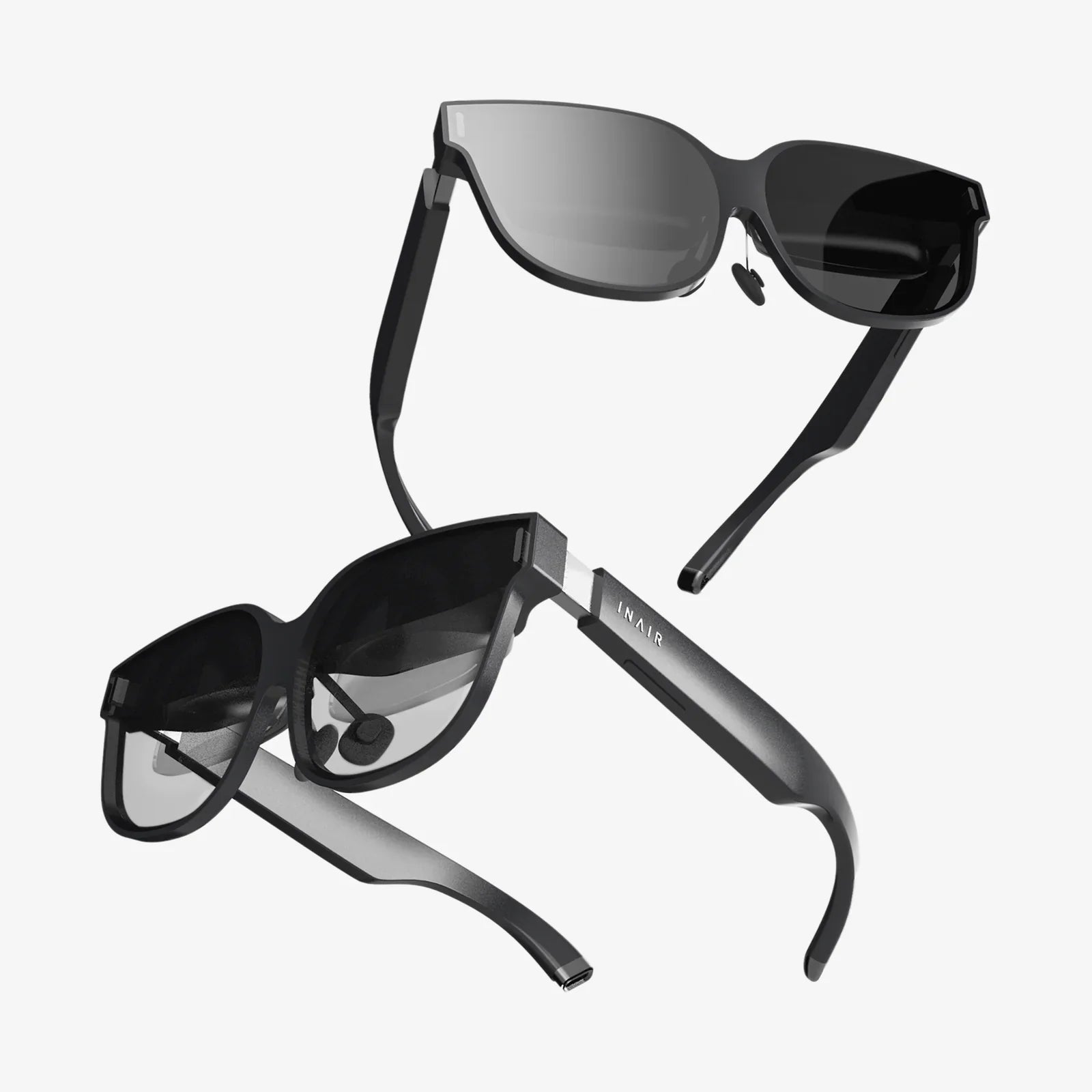
Imagine driving down a winding coastal highway, your eyes fixed on the breathtaking view, yet never once glancing away from the road to check your speed, navigation, or fuel level. This isn't a scene from a science fiction movie; it’s the reality made possible by Head-Up Display technology. For decades, HUDs were the exclusive domain of elite fighter pilots, a sophisticated tool that projected crucial flight data onto the cockpit canopy, allowing them to maintain situational awareness during high-stakes dogfights. Today, that same transformative technology is rapidly migrating from the stratosphere to the mainstream automobile, landing on the windshields of family sedans and economy cars alike, promising to fundamentally alter our relationship with the dashboard and, most importantly, enhance safety on a massive scale.
The Genesis: From Combat Cockpits to Consumer Cars
The story of the HUD begins not on the open road, but in the fierce skies of World War II. The concept was simple yet brilliant: by reflecting instrument readings onto a glass combiner in front of the pilot, aviators could access vital information without dropping their gaze into the cockpit. This "head-up" posture was a monumental advantage. The technology matured through the Cold War, becoming a staple in advanced military aircraft. It was the sheer efficacy of this system—the proven reduction in reaction times and the critical minimization of distraction—that caught the attention of automotive engineers in the late 1980s. The first automotive applications were primitive and prohibitively expensive, reserved for flagship luxury models. They often displayed little more than vehicle speed using a monochrome, cathode-ray tube (CRT) projected onto a small, motorized plastic screen that awkwardly rose from the dashboard. While clunky, these pioneers laid the groundwork for the sophisticated systems we see today, demonstrating an initial market appetite for technology that prioritized the driver's focus.
How It Works: The Magic Behind the Glass
At its core, a modern automotive HUD system is an elegant feat of optical engineering. It functions not by projecting an image directly onto the windshield itself, but by creating a virtual image that appears to float just beyond the hood of the car. This illusion is crafted through a precise arrangement of key components.
The Image Generator
This is the heart of the unit, the source of the light that forms the data. Early systems used CRTs, but today, the vast majority employ either:
- TFT-LCD (Thin-Film-Transistor Liquid-Crystal Display): A bright backlight shines through a small, high-resolution LCD screen. The liquid crystals manipulate the light to form the desired graphics and numbers. This is a cost-effective and common solution.
- DLP (Digital Light Processing): Developed by Texas Instruments, this technology uses a microscopic array of millions of hinged mirrors on a semiconductor chip, known as a Digital Micromirror Device (DMD). Each mirror tilts thousands of times per second to reflect light and create a incredibly sharp, bright, and high-contrast image. DLP is often found in higher-end systems.
- Laser Scanning: The most advanced method, it uses lasers to scan the image directly onto the display surface. This allows for exceptionally bright images that remain visible even in direct sunlight and can project across a larger portion of the windshield, enabling Augmented Reality features.
The Combiner
This is the surface onto which the image is projected. There are two primary types:
- Separate Combiner: A small, specially coated piece of glass or plastic that raises from the dashboard. This is simpler and cheaper, as it doesn't require a special windshield.
- Windshield-Integrated: The image is projected directly onto the windshield itself. This requires the windshield to have a special, wafer-thin wedge-shaped laminating film between its layers of glass. This film acts as a mirror, reflecting the HUD's projection back to the driver's eyes while remaining transparent to the outside world. This is the more seamless and premium solution.
Optics and Software
A series of mirrors and lenses magnifies the tiny image from the generator and corrects it for distortion. Powerful software and a graphics processing unit (GPU) render the information—speed, navigation arrows, gear indicators, safety warnings—into a crisp, legible format. Furthermore, the system must account for the driver's eye position, a process often aided by a small camera, to ensure the virtual image is placed correctly and remains stable.
Beyond Speedometers: The Information at Your Fingertips
The content displayed by a HUD has evolved far beyond a simple digital speed readout. Modern systems act as a curated information hub, prioritizing data that keeps the driver informed and engaged with their surroundings. Standard information now typically includes:
- Current vehicle speed
- Cruise control and speed limiter settings
- Navigation instructions (simple turn arrows and distance-to-turn)
- RPM and gear-shift indicators (common in performance models)
- Traffic sign recognition (displaying detected speed limits, no-passing zones, etc.)
- Driver-assistance system statuses (lane-keeping, blind-spot monitoring, forward-collision warnings)
- Incoming call and media information (artist and track name)
The Augmented Reality Revolution
The next evolutionary leap is the Augmented Reality HUD (AR-HUD). This is not merely a display; it is an integration of the digital and physical worlds. AR-HUDs use forward-facing cameras and GPS data to understand the car's environment and then overlay graphics that appear to interact with the road itself.
Imagine a navigation system that doesn't just tell you to "turn right in 500 feet," but instead projects a glowing arrow that visually aligns with the actual lane you need to enter, moving along the road as you drive. Or a safety system that highlights a pedestrian stepping out from between parked cars with a flashing red halo, drawing your attention to a potential hazard before you might naturally perceive it. AR-HUDs can also project adaptive cruise control indicators that show the following distance to the car ahead, or highlight the exact vehicle the system has identified as a target. This contextual, spatially-aware layer of information dramatically reduces cognitive load. The driver no longer has to mentally translate a symbol on a screen to a real-world action; the instruction is painted directly onto their reality, making driving more intuitive and significantly safer.
The Unquestionable Safety Advantage
The primary impetus behind the adoption of HUD technology is its profound impact on driver safety. The statistics on distracted driving are stark, with the National Highway Traffic Safety Administration (NHTSA) reporting it as a leading cause of accidents. The act of looking down at a traditional instrument cluster, even for a split second, is a moment of visual distraction. At highway speeds, a car travels the length of a football field in just those few seconds. A HUD mitigates this risk by eliminating the need for that glance away. Studies in both aviation and automotive contexts have consistently shown that HUDs reduce refocusing time and improve reaction times to critical events. By keeping the driver's eyes up and on the road, the technology creates a smoother, more continuous visual flow, allowing for quicker recognition and response to potential hazards, from sudden braking to a child chasing a ball into the street.
Challenges and Considerations on the Road Ahead
Despite its promise, HUD technology is not without its challenges. One of the most significant hurdles is sunlight readability. A bright midday sun can wash out the display if the projector isn't powerful enough or the combiner isn't optimized. Conversely, a display that is too bright at night can be distracting and hinder night vision. Modern systems use ambient light sensors to automatically adjust brightness for optimal visibility around the clock.
Another consideration is driver adaptation. Some users, particularly those new to the technology, may initially find the floating graphics distracting. There's a period of acclimatization where the brain learns to process the information in the foreground without ignoring the background. Furthermore, the design of the graphics is paramount; cluttered, overly complex, or poorly contrasting displays can become a hazard themselves. The philosophy of good HUD design is one of minimalism and prioritization—showing only the most essential information in the clearest way possible. Cost and integration also remain barriers to universal adoption, though economies of scale are steadily making the technology more accessible.
The Future is Transparent: What's Next for HUDs?
The trajectory of HUD technology points toward a more immersive and integrated future. We are moving toward larger field-of-view displays that can cover the entire windshield, transforming it into a canvas for information and entertainment. The integration of artificial intelligence will enable predictive and personalized displays, showing information you need before you even ask for it. Imagine a HUD that knows your calendar and proactively suggests a departure time based on live traffic, or one that identifies a restaurant you'd like based on past preferences and displays its rating and menu as you drive past. The line between the driver and the vehicle's digital ecosystem will blur entirely. Furthermore, the convergence of HUD technology with vehicle-to-everything (V2X) communication could project real-time data about traffic conditions, road hazards detected by other vehicles, or emergency vehicle approaches long before they are visible or audible.
The humble dashboard, a fixture of the automobile for over a century, is slowly fading from relevance, not by being removed, but by becoming transparent. HUD technology represents a paradigm shift in the human-machine interface of the automobile, moving us away from an era of looking down and in, to an era of looking up and out. It’s a technology that respects the primary task of driving while seamlessly integrating the digital world we now inhabit. As this innovation continues to evolve and trickle down to every segment of the market, it promises to create not just smarter cars, but smarter, safer, and more attentive drivers, truly turning every windshield into a window to the future of mobility.
Share:
Electronics VR: The Unseen Revolution Reshaping Our World
What VR Is Worth Buying: The Ultimate Guide to Choosing Your Perfect Headset