


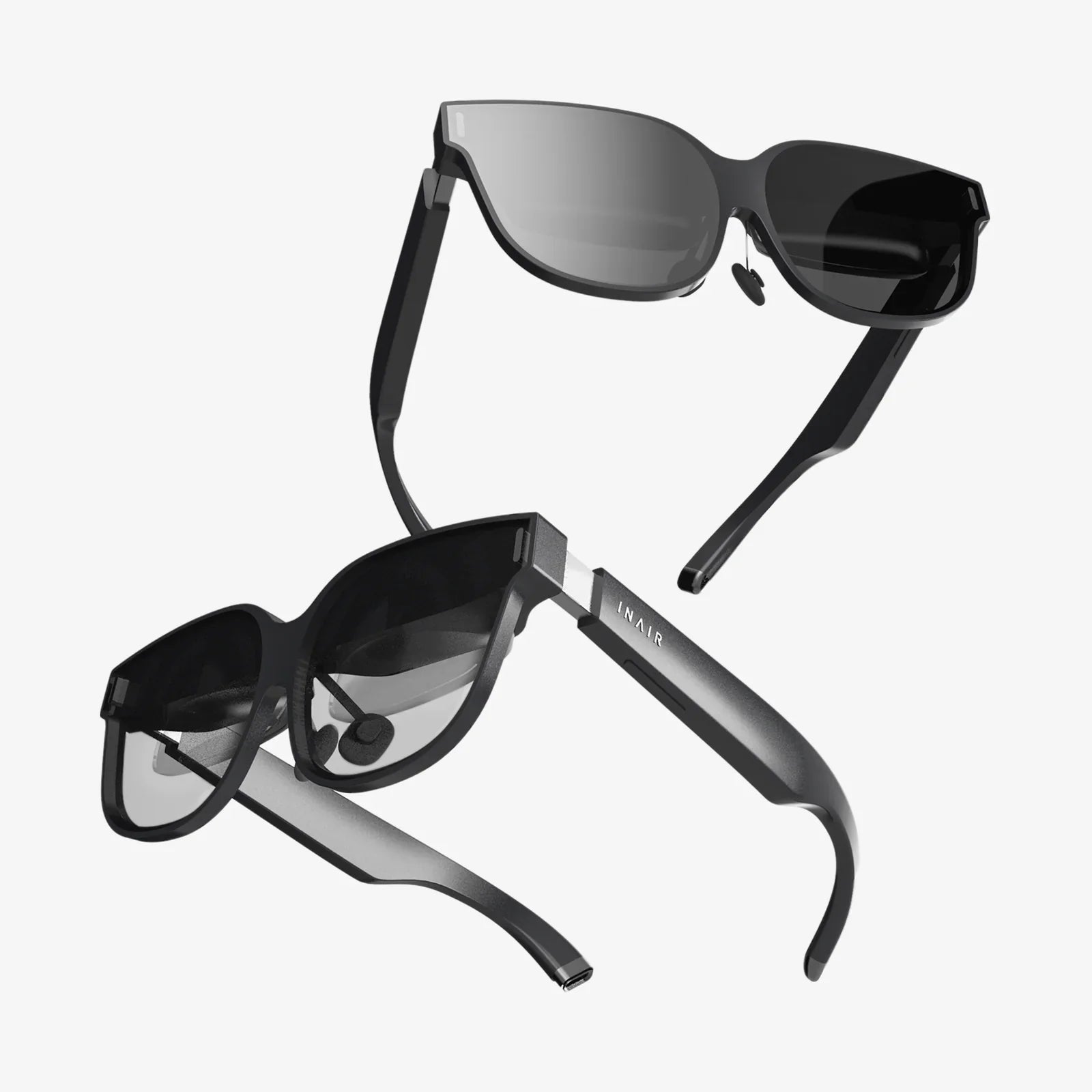
You’ve seen the future, and it’s a pair of goggles that transports you to another world—but with so many options and technical jargon, figuring out what VR is worth buying can feel like a quest in itself. The fear of buyer’s remorse is real; invest in the wrong ecosystem and you’re locked out of exclusive games, overpay for power you don’t need, or end up with a glorified paperweight. This isn't about finding the single "best" headset; it's a journey to discover the perfect virtual reality match for you, your lifestyle, and your budget. Forget the hype and the marketing fluff. We're diving deep into the core factors that separate a fleeting novelty from a transformative piece of technology that you'll use for years to come.
Beyond the Hype: Defining Your "Worth It"
Before we even look at specifications or brands, the most critical step is introspection. "Worth" is profoundly subjective. For a hardcore gamer, it might mean flawless tracking and a vast library of AAA titles. For a fitness enthusiast, it could be a comfortable, sweat-resistant design with engaging workout apps. A parent might prioritize simplicity and safety for their kids, while a designer needs crystal-clear resolution for detailed 3D modeling.
Ask yourself these foundational questions:
- Primary Use Case: Is this predominantly for gaming, fitness, social interaction, creative work, or media consumption?
- The Tethered vs. Untethered Dilemma: Do you crave the absolute highest fidelity experiences, willing to be connected to a powerful computer? Or is the freedom of a wireless, all-in-one device more valuable to your preferred experience?
- Technical Context: Do you already own a powerful gaming computer or a modern games console? If not, are you willing to build or buy one, significantly increasing the total cost?
- Audience: Will this be a personal device or a shared family gadget?
- Physical Space: Do you have a dedicated, clear area for room-scale experiences where you can walk around, or will you be primarily seated or standing in one spot?
Your answers here will form the crucial framework for your decision, guiding you toward the right category of headset and preventing you from paying for features you'll never use.
The Three Pillars of VR: Understanding the Core Technologies
To make an informed choice, you need to speak the language. These three technological pillars fundamentally define the experience a headset can deliver.
1. Display and Visual Fidelity
This is what your eyes see, and it’s governed by several key metrics:
- Resolution: Measured in pixels per eye (e.g., 1832 x 1920). Higher numbers generally mean a sharper, clearer image with less visible "screen door effect" (the fine grid-like lines between pixels).
- Refresh Rate: Measured in Hertz (Hz), this is how many times the image updates per second. 90Hz is considered the baseline for comfort, with 120Hz and 144Hz providing even smoother motion, which is critical for reducing simulation sickness and enhancing immersion in fast-paced games.
- Lens Technology: Pancake lenses are a newer innovation that allow for a much slimmer and lighter headset design compared to traditional Fresnel lenses, often with a larger "sweet spot" of clarity.
- Field of View (FoV): This is how much of the virtual world you see, typically measured diagonally. A wider FoV (110+ degrees) is more immersive, making the headset feel more like a visor and less like looking through binoculars.
2. Tracking and Controllers
How does the headset know where you are and what you're doing? There are two main methods:
- Inside-Out Tracking: Cameras on the headset itself scan your environment to track its position and the controllers. This is the modern standard for its simplicity—no external sensors to set up—making it user-friendly and portable.
- Outside-In Tracking: External sensors or base stations placed around your room track the headset and controllers. This is often considered the gold standard for precision and reliability, especially for competitive gaming, but it sacrifices ease of setup and portability.
Controllers are your hands in the virtual world. Look for ergonomic designs, haptic feedback (subtle vibrations), and finger-tracking capabilities, which allow for more natural and expressive interactions.
3. Processing Power: The Brain of the Operation
This is the great divider. Where does the computing happen?
- PCVR/Console-VR: The headset is a display. All the heavy graphical lifting is done by an external gaming computer or console. This allows for the most visually stunning and complex experiences but chains you to that device and represents a much higher total cost of ownership.
- Standalone/All-in-One: The computer is built directly into the headset. This offers complete wireless freedom and a plug-and-play experience. While historically less powerful than high-end PCs, the chips in modern standalone devices are incredibly capable, delivering impressive experiences without any wires or external devices.
The Contenders: A Breakdown by User Profile
Now, let’s apply this knowledge. Instead of listing specific models, we'll categorize by the ideal user profile. This approach helps you find your tribe and then see which technology serves it best.
For the PC Gaming Enthusiast & Simulator Aficionado
You own a powerful gaming rig with a modern graphics card and you demand the absolute pinnacle of visual fidelity, performance, and library depth. You play flight simulators, racing sims, and AAA action titles where every frame and precise movement counts.
What to Look For:
- Type: Primarily tethered PCVR headsets, often with Outside-In tracking for maximum accuracy.
- Key Features: Highest resolution and refresh rate displays available, wide field of view, premium comfort for long sessions, best-in-class controllers.
- Considerations: The experience is only as good as your PC. Be prepared for a higher initial investment and the hassle of managing cables (though pulley systems can help). This is the uncompromising path for the discerning gamer.
For the Mainstream User & Social Explorer
You value convenience, accessibility, and a massive, curated library of games and apps. You want to jump into social VR platforms, play exclusive titles, and have a device that’s easy to set up and share with friends and family without needing a gaming computer.
What to Look For:
- Type: Modern standalone headsets with strong inside-out tracking.
- Key Features: A robust, walled-garden ecosystem with exclusive content, strong developer support, intuitive controls, and a focus on social and fitness applications. Wireless freedom is a non-negotiable benefit.
- Considerations: You are buying into a specific ecosystem, which means your software library is tied to that platform. The graphical power, while impressive, will not match a high-end PCVR setup.
For the Console Gamer
You are already invested in a specific console ecosystem and want a seamless, high-quality VR experience that plugs directly into it. You want to play exclusive titles designed for your console without the complexity of a PC setup.
What to Look For:
- Type: A headset designed specifically for your games console.
- Key Features: Plug-and-play simplicity, no need for a costly PC, high-quality first-party titles optimized for the hardware, and integration with your existing friends list and trophies.
- Considerations: Your choice is made for you by the console you own. The library, while high-quality, will be smaller than the PCVR landscape.
For the Budget-Conscious Beginner & Casual User
You’re curious about VR but don’t want to break the bank. You're looking for an affordable entry point to experience the technology, enjoy some fun games, and watch immersive videos without a major financial commitment.
What to Look For:
- Type: Older-generation standalone headsets or value-oriented newer models.
- Key Features: A low entry price, a decent library of classic and casual games, and a simple, straightforward user experience. This is a great way to "try before you fly" and see if VR resonates with you.
-
Considerations: You will be making significant compromises on display quality, processing power, and comfort compared to newer, more expensive devices. This is a stepping stone, not an endgame.
The Intangibles: Comfort, Ecosystem, and Future-Proofing
Specs on a page only tell half the story. The real test of a headset's worth is how it feels to use over time.
Comfort is King
You can have the highest-resolution display ever made, but if the headset is a pain to wear, it will gather dust. Look for:
- Weight Distribution: Does it crush your cheeks or rest comfortably on your forehead? A counter-balance on the back strap is a sign of good design.
- Strapping System: Elite-style straps with a top strap and dial adjustment are far superior to basic elastic bands.
- Materials: Plush, breathable facial interfaces (often replaceable) are essential, especially for active use.
The Ecosystem Lock-In
Your headset is a gateway, but the software library is the kingdom. Most platforms have exclusive stores. Purchasing software on one storefront does not grant you access on another. Research the available games and apps for a platform before you commit. A vibrant, actively supported ecosystem with regular new releases is a huge indicator of long-term value.
Future-Proofing Your Investment
Technology evolves rapidly. While you can't future-proof completely, you can make savvy choices:
- Platform Longevity: Is the company behind the headset committed to VR for the long haul? A strong track record of supporting previous devices is a good sign.
- Backward Compatibility: Will the next generation of headsets likely support the software you buy today? Sticking with a major, established platform increases the odds.
The quest to determine what VR is worth buying ends not with a universal answer, but with a personal revelation. It’s the alignment of technology with your passion, whether that’s climbing Himalayan peaks from your living room, collaborating on a virtual sculpture, or simply laughing with friends in a digital space. The right headset isn’t the one with the highest number on a spec sheet; it’s the one that disappears, leaving only the magic of the experience behind. Your perfect gateway to new realities is waiting, designed not for everyone, but specifically for someone like you.
Share:
HUD Screens: The Revolutionary Dashboard Technology Changing How We Drive
How to Screen Share on VR: The Ultimate Guide to Immersive Collaboration