


- by wangfred
Human Computer Interaction Market: The Invisible Hand Reshaping Our Digital Destiny
- by wangfred
The screen you’re reading this on, the tap or click that brought you here, the subtle swipe of a finger that will soon scroll this text—each is a silent transaction in the vast, multi-trillion-dollar economy of the Human Computer Interaction market, an invisible force so pervasive it is fundamentally rewriting the contract between humanity and its own technology. This isn't just about gadgets; it's about the very fabric of our digital existence, a frontier where biology meets silicon, and where the next evolutionary leap in communication is being bought, sold, and innovated at a breathtaking pace.
The history of computing is, in essence, a history of interaction. The market for HCI was born not with a bang, but with a series of incremental, revolutionary steps. It began with the esoteric language of punch cards and blinking lights, a domain exclusive to trained operators. The command-line interface (CLI) democratized access slightly, but it still required users to learn a machine's language. The true market catalyst was the graphical user interface (GUI). By introducing the metaphor of the desktop, complete with windows, icons, and a pointer, it created an intuitive, learnable language that unlocked computing for the masses. This shift didn't just create a new product category; it created an entire economy around the mouse, the monitor, and the operating system. The subsequent proliferation of the internet and the mobile revolution, driven by the capacitive multi-touch screen, exploded the HCI market's scope and value. Each paradigm shift didn't replace the last; it layered upon it, creating a complex, multi-modal market where voice, gesture, touch, and traditional input methods now coexist and converge.
The modern Human Computer Interaction market is not a monolith but a complex ecosystem fueled by several interdependent technological pillars. Understanding these drivers is key to understanding the market's trajectory.
AI is the new operating system for interaction. It has moved HCI from being rule-based to being context-aware and predictive. Natural Language Processing (NLP) allows us to converse with devices, while machine learning algorithms study our behavior to anticipate our needs, curating content, auto-completing sentences, and predicting our next destination. This intelligence is creating markets for sophisticated software development kits (SDKs), cloud-based cognitive services, and specialized AI hardware accelerators that make this real-time processing possible.
The 5G rollout and pervasive Wi-Fi have dissolved the concept of a single, stationary computer. We now interact with a distributed cloud of devices—smartphones, wearables, smart home appliances, and industrial sensors. This hyper-connectivity demands new interaction models. The HCI market now encompasses the protocols that allow these devices to communicate seamlessly (like Matter), the platforms that manage them, and the interfaces—often voice or simple apps—that give users control over this sprawling digital estate.
Interaction is becoming less about explicit commands and more about passive sensing. High-resolution cameras, LiDAR, radar, and advanced microphones allow devices to perceive the world around them. This enables:
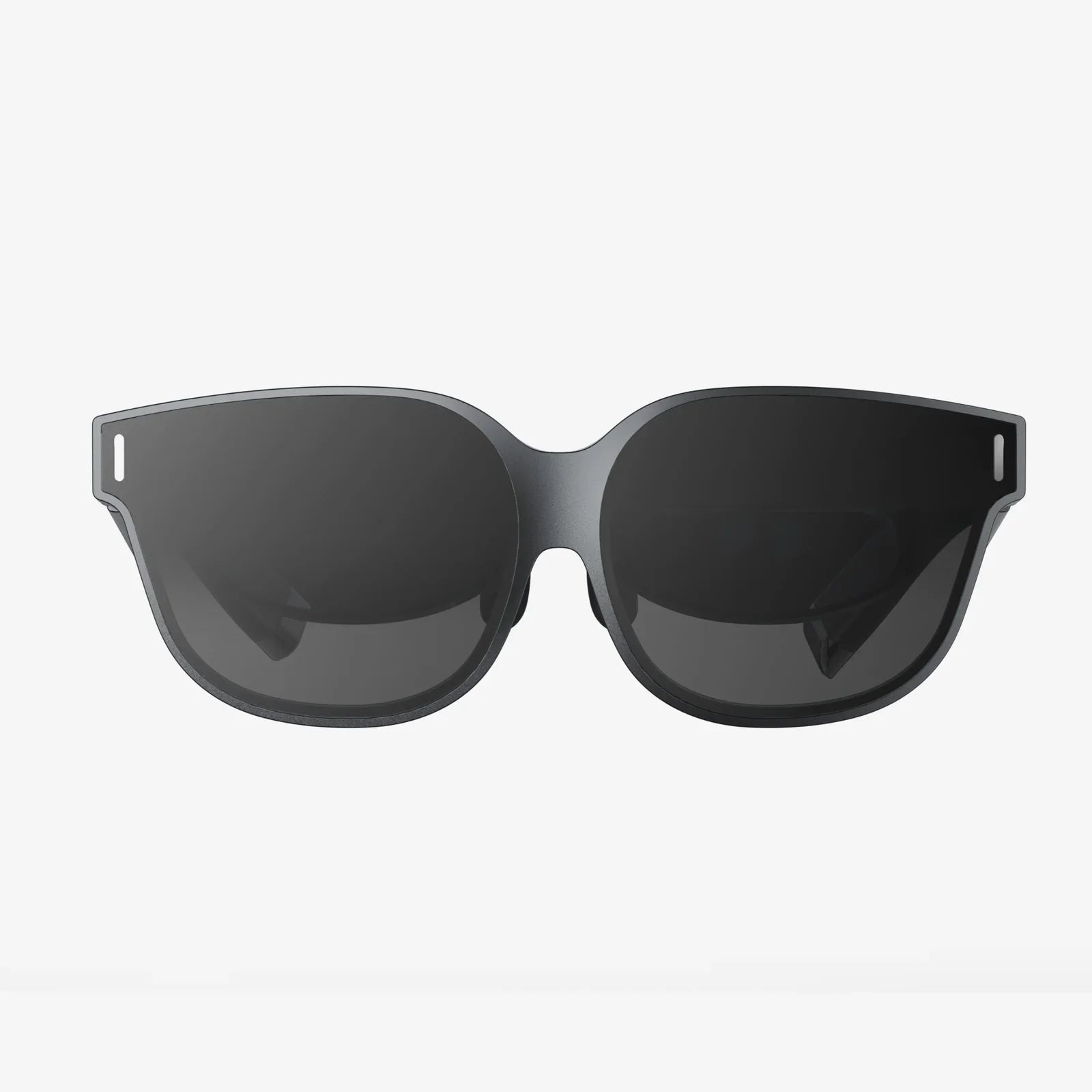
Augmented and Virtual Reality represent the most radical departure from traditional screen-based interaction. They require a全新的 (wholly new) suite of HCI solutions: motion controllers, haptic feedback suits, omnidirectional treadmills, and neural interfaces in their most advanced forms. The market here is voraciously consuming innovations in display technology, graphics processing, and low-latency tracking. The vision of the metaverse—a persistent network of 3D virtual spaces—is essentially a grand challenge for the HCI market: how to make digital interaction feel as natural and rich as physical interaction.
The HCI market can be dissected in numerous ways, revealing its vast complexity.
Businesses are investing heavily in HCI to boost productivity. This includes collaborative tools for remote work, gesture-controlled data visualization walls, voice-picking systems in warehouses, and AR for complex assembly and maintenance instructions, reducing errors and training time.
As the market surges forward, it faces significant headwinds that could hamper adoption and invite regulatory scrutiny.
The most intuitive interfaces are often the most invasive. Voice assistants are always listening, cameras are always watching, and biometric data is inherently personal. The HCI market is inextricably linked to the data economy, raising profound questions about consent, data ownership, and the potential for surveillance. Building trust through transparent data policies and robust, privacy-by-design security is no longer optional; it is a market imperative.
A core tenet of HCI is universal access. However, advanced interfaces can sometimes create new barriers. Not everyone can afford the latest technology, and not all bodies or abilities interact with technology in the same way. The market must prioritize inclusive design—creating experiences that are accessible to people with a wide range of physical and cognitive abilities—not as an afterthought, but as a fundamental design principle. This is both an ethical duty and a vast untapped market opportunity.
The quest for frictionless, always-available interaction risks creating a world of constant distraction and notification fatigue. The HCI market is now seeing a counter-movement towards "calm technology"—design that engages both the center and the periphery of our attention without overwhelming it. Features like screen time reports and focus modes are early responses to this challenge. The next wave of innovation must focus on designing for human wellbeing, not just engagement.
The trajectory of the Human Computer Interaction market points towards a future where the interface becomes increasingly invisible, blending seamlessly into our environment and even our biology. We are moving towards a paradigm of ambient computing, where intelligence is embedded in the world around us, and we interact with it through a combination of voice, gesture, and glance. Brain-computer interfaces, while still nascent, promise the ultimate shortcut: controlling a digital world with pure thought. This will open unprecedented avenues for communication, especially for those with physical limitations, but will also introduce staggering ethical questions about the sanctity of our own neural data. Furthermore, the integration of AI will evolve from predictive to symbiotic, with systems acting as true partners, co-creating and problem-solving alongside us.
For investors, developers, and policymakers, the message is clear: the Human Computer Interaction market is the bedrock upon which the next decade of technological innovation will be built. It’s a market that measures its value not just in dollars, but in seconds saved, barriers broken, and experiences enhanced. The race is on to build the most intuitive, the most powerful, and the most human bridge to the digital future—and the stakes for how we live, work, and connect have never been higher. The next time you effortlessly ask a speaker to play a song or use a glance to dismiss a notification, remember, you are participating in one of the largest and most transformative economic shifts of our time.
Share:
XR Companies Are Reshaping Reality: The Enterprise Metaverse Is Now
VR for Video Games: The Ultimate Immersive Experience and Its Future