


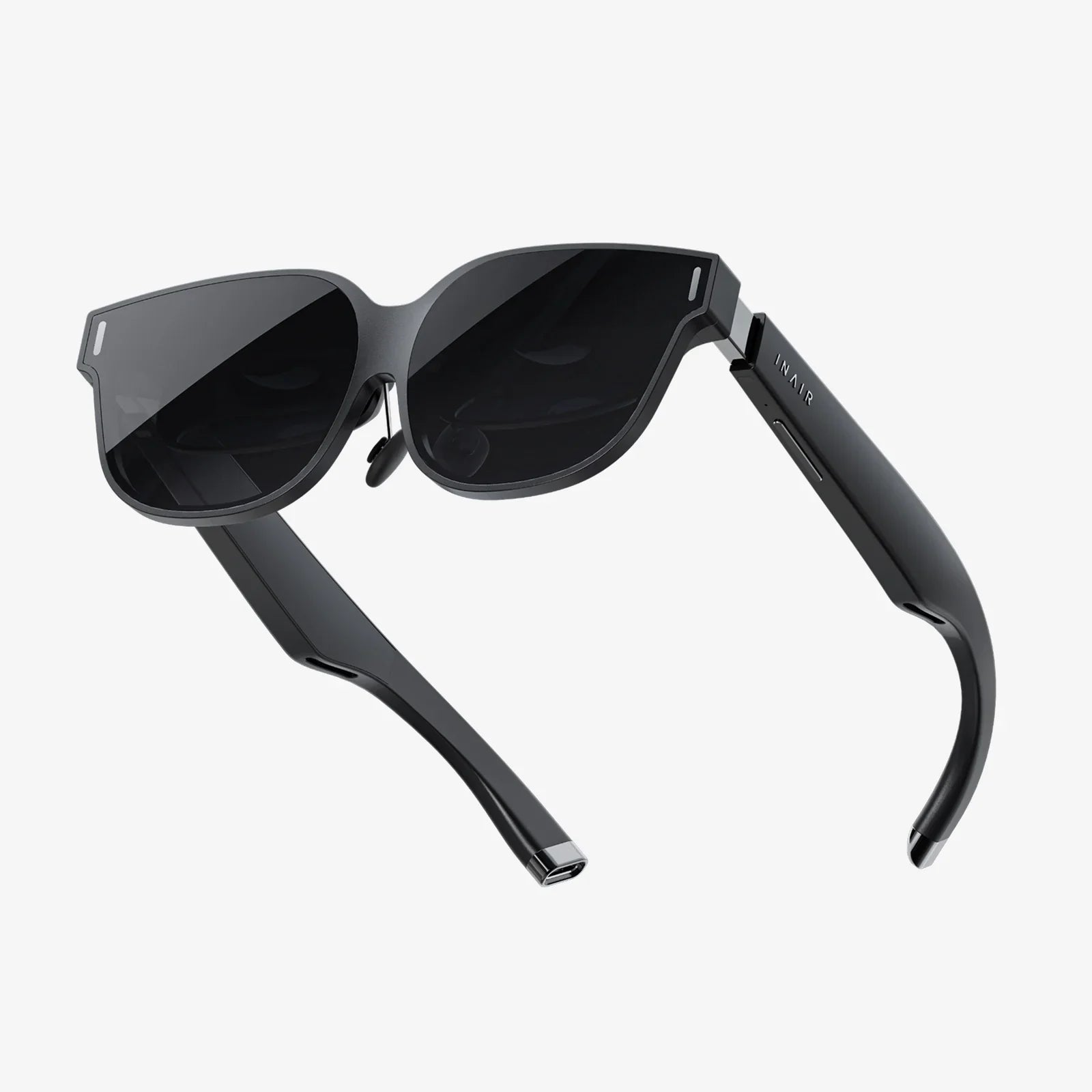
- by wangfred
VR for Video Games: The Ultimate Immersive Experience and Its Future
- by wangfred
Imagine not just playing a game, but stepping inside it. The world dissolves around you, replaced by a digital landscape you can not only see but feel, a realm where your physical movements translate directly into powerful, in-game actions. This is the unparalleled promise of VR for video games, a technology that has shifted from science fiction fantasy to a compelling, in-home reality, redefining the very essence of interactive entertainment and offering a glimpse into the future of human experience itself.
At its core, Virtual Reality for gaming is an experience crafted through a combination of sophisticated hardware and software designed to trick the human brain into accepting a digital world as real, or at least present. This illusion, known as presence, is the holy grail of VR development.
The magic of immersion is achieved through a trinity of key hardware components:
Hardware is nothing without software. Game engines are the powerful tools developers use to build these virtual worlds. They handle the rendering of complex 3D environments at the exceptionally high frame rates required for VR (typically 90Hz or higher to prevent motion sickness), manage physics simulations, and process player input. The software must be meticulously optimized; any lag or stutter between a player's movement and the visual response on screen can break immersion and cause discomfort. This relentless demand for performance has driven innovation in rendering techniques like foveated rendering, which focuses processing power only on the spot where the user's eyes are looking, dramatically improving efficiency.
VR has not just enhanced existing genres; it has invented entirely new ones and revitalized others by placing the player directly in the cockpit, on the battlefield, or at the crafting table.
The first-person perspective is the default and most powerful viewpoint in VR. It feels natural because it mirrors our own perception of reality. This has led to incredible innovations in classic genres:
One of the most unexpected and powerful applications of VR has been in social connection. Multiplayer VR games and social platforms allow users to inhabit avatars and interact with others in a shared virtual space. The communication goes beyond voice chat; it includes body language, gestures, and a shared sense of physical presence. Cooperating with friends to solve a puzzle, conquer a dungeon, or simply explore a world feels more authentic and memorable because you are there together, sharing the same space and experience.
VR has successfully rebranded exercise as entertainment. Rhythm games require players to slash, duck, and dodge to the beat of music, providing a full-body cardio workout that feels more like dancing than going to the gym. Fitness applications track calories burned and offer structured workouts in engaging environments, proving that games can be a legitimate and enjoyable path to better health.
The profound immersion of VR comes with a unique set of human factors that developers and players must navigate.
The power of presence is VR's greatest strength and its primary challenge. This deep absorption can lead to a state of flow, where players become completely lost in the activity, losing track of time and their physical surroundings. This is the goal. However, it can also lead to a phenomenon known as simulation sickness, similar to motion sickness. This occurs when there is a disconnect between what the eyes see (movement) and what the vestibular system in the inner ear feels ( stillness). Developers combat this with comfort settings like "snap turning" and "teleportation locomotion" to minimize this dissonance until players develop their "VR legs."
Unlike traditional gaming, VR is a physical medium. Players need a designated "play space" clear of obstacles to avoid accidentally hitting furniture, walls, or pets. Most systems implement a "Guardian" or "Chaperone" system—a virtual boundary grid that appears when you get too close to the edge of your safe zone. This is a critical safety feature that allows players to engage fully without fear of real-world collisions.
The current state of VR is impressive, but it is merely the foundation for a future that promises even greater fidelity and integration into our daily lives.
The march of technology will solve many of today's limitations. We are moving towards headsets that are wireless, lighter, and more comfortable with each generation. Display resolution will continue to increase, approaching and surpassing the clarity of human vision, eliminating the "screen door effect." Haptic technology will evolve from simple vibration to full-force feedback gloves and suits that allow users to feel the shape, weight, and texture of virtual objects. Eye-tracking technology will not only enable more efficient rendering but also allow for more intuitive interfaces and avatars that make meaningful eye contact, deepening social interactions.
VR is widely seen as the primary gateway to the metaverse—a persistent, interconnected network of shared virtual spaces. In this vision, VR gaming won't be an isolated activity but part of a larger digital society. You might attend a virtual concert with friends from across the globe, then step into a hyper-realistic fantasy game world, all without removing your headset. Your avatar and digital possessions could travel with you, creating a seamless continuity between experiences. While this fully realized vision is still years away, current social VR platforms are its direct and functional precursors.
The implications of VR extend far beyond games. The technology is already being used for revolutionary applications in education, allowing students to take virtual field trips to historical sites or inside the human body; in therapy, treating phobias and PTSD through controlled exposure; and in enterprise, for remote collaboration and design prototyping in 3D space. The line between "game" and "tool" will continue to blur, creating powerful new ways to learn, work, and connect.
The journey into virtual worlds is no longer a passive dream but an active, physical adventure. VR for video games has shattered the screen that once separated us from the digital realms we love, offering an intimacy with storytelling and gameplay that was previously unimaginable. As the technology continues its rapid evolution, becoming more accessible, comfortable, and astonishingly real, the question is no longer if you will step into the game, but which world you will choose to call home, if only for a little while.
Share:
Human Computer Interaction Market: The Invisible Hand Reshaping Our Digital Destiny
Holographic Future: The Dawn of a New Dimensional Reality