


- by wangfred
Human Computer Interaction Techniques: The Invisible Bridge to Our Digital Future
- by wangfred
Imagine a world where your thoughts seamlessly become commands, your gestures paint digital masterpieces in thin air, and your very presence personalizes the environment around you. This is not a distant science fiction fantasy; it is the tangible future being built today, brick by digital brick, through the relentless evolution of human-computer interaction techniques. The way we communicate with machines is undergoing its most profound transformation since the invention of the graphical user interface, moving beyond screens and keyboards into a realm of intuitive, ambient, and almost magical connection. This journey, from the cryptic to the cognitive, is rewriting the rules of our relationship with technology, promising a future where the line between the physical and digital worlds becomes beautifully blurred.
The story of human-computer interaction is one of increasing abstraction and accessibility. In the earliest days, interaction was the domain of specialists. It required a deep understanding of complex machine code and, later, arcane command-line interfaces. Users had to speak the computer's language, a rigid and unforgiving syntax where a single misplaced character could derail an entire operation. This era was defined by a significant cognitive load on the user, who was forced to conform to the machine's internal logic.
The first true revolution arrived with the development of the graphical user interface (GUI). This paradigm shift, popularized in the 1980s, introduced the now-ubiquitous concepts of windows, icons, menus, and a pointer (WIMP). This was a monumental leap. Instead of memorizing commands, users could now point, click, and drag. The GUI leveraged metaphors from the physical world—a desktop, folders, a trash can—to create a more intuitive and learnable environment. It dramatically lowered the barrier to entry, enabling personal computing to flourish and placing immense power into the hands of non-experts. The mouse became the primary conduit for this new language of interaction, a physical proxy for our intent on the screen.
While the GUI and its primary peripherals remain dominant, the modern HCI landscape is a rich tapestry of diverse and sophisticated techniques designed for specific contexts and goals.
The proliferation of smartphones and tablets cemented multi-touch interaction as a mainstream technique. Direct manipulation through pinching, swiping, and tapping feels instinctive, especially for spatial tasks like navigating maps or manipulating images. This technology extended beyond small screens to larger interactive surfaces and kiosks. Furthermore, gestural control, enabled by cameras and depth sensors, allows users to interact without physical contact. From controlling a presentation with a wave of the hand to navigating a virtual museum exhibit through body movement, this technique is powerful in contexts where touch is impractical or for creating immersive, large-scale experiences.
The dream of talking to computers like we talk to people is now a daily reality for millions. Voice User Interfaces (VUIs), powered by advances in natural language processing and speech recognition, have moved from niche applications to central household utilities. They represent a shift from manipulating a graphical space to engaging in a dialog. The primary advantages are hands-free and eyes-free operation, making them ideal for situations where physical or visual attention is limited—while cooking, driving, or for users with certain motor or visual impairments. The emergence of sophisticated conversational AI has elevated VUIs from simple command-and-response systems to more natural, context-aware interactions that can handle complex, multi-turn conversations.
Some interactions demand a physicality that screens cannot provide. Tangible user interfaces give digital information a physical form, allowing users to manipulate data through everyday objects. Imagine a project manager physically arranging blocks on a table to set a team's timeline, with the digital chart updating in real-time. This bridges the gap between the abstract digital world and our innate understanding of physical objects. Complementing this is haptic feedback technology, which provides tactile sensations. A simple vibration in a game controller simulating a crash, or more advanced force feedback in a surgical training simulator that replicates the resistance of tissue, enriches interactions by engaging our sense of touch, conveying information and enhancing realism in a way visuals and sound alone cannot.
The frontier of human-computer interaction is pushing into realms once confined to imagination, focusing on making the computer more perceptive, adaptive, and invisible.
Perhaps the most futuristic of all techniques, BCIs aim to create a direct communication pathway between the brain and an external device. Non-invasive methods using electroencephalography (EEG) are already being used in therapeutic settings, allowing individuals with severe paralysis to control cursors or type text through thought alone. While consumer-grade "mind-reading" is still nascent, the potential is staggering: controlling augmented reality interfaces silently, communicating complex concepts without speech, or even restoring motor and sensory functions. The ethical implications are as profound as the technological ones, but BCI represents the ultimate goal of reducing the interaction gap to zero.
The next generation of systems will not just understand what we say or click, but how we feel. Affective computing involves creating systems that can recognize, interpret, process, and simulate human emotions. Using inputs from cameras (analyzing facial expressions), microphones (analyzing vocal tone and pitch), and biometric sensors (measuring heart rate, galvanic skin response), computers can begin to gauge a user's emotional state. This allows for adaptive interfaces—a learning system that offers encouragement when it detects frustration, or a car that alerts a driver if it detects signs of drowsiness. This moves interaction from a purely transactional model to a more empathetic and contextually intelligent partnership.
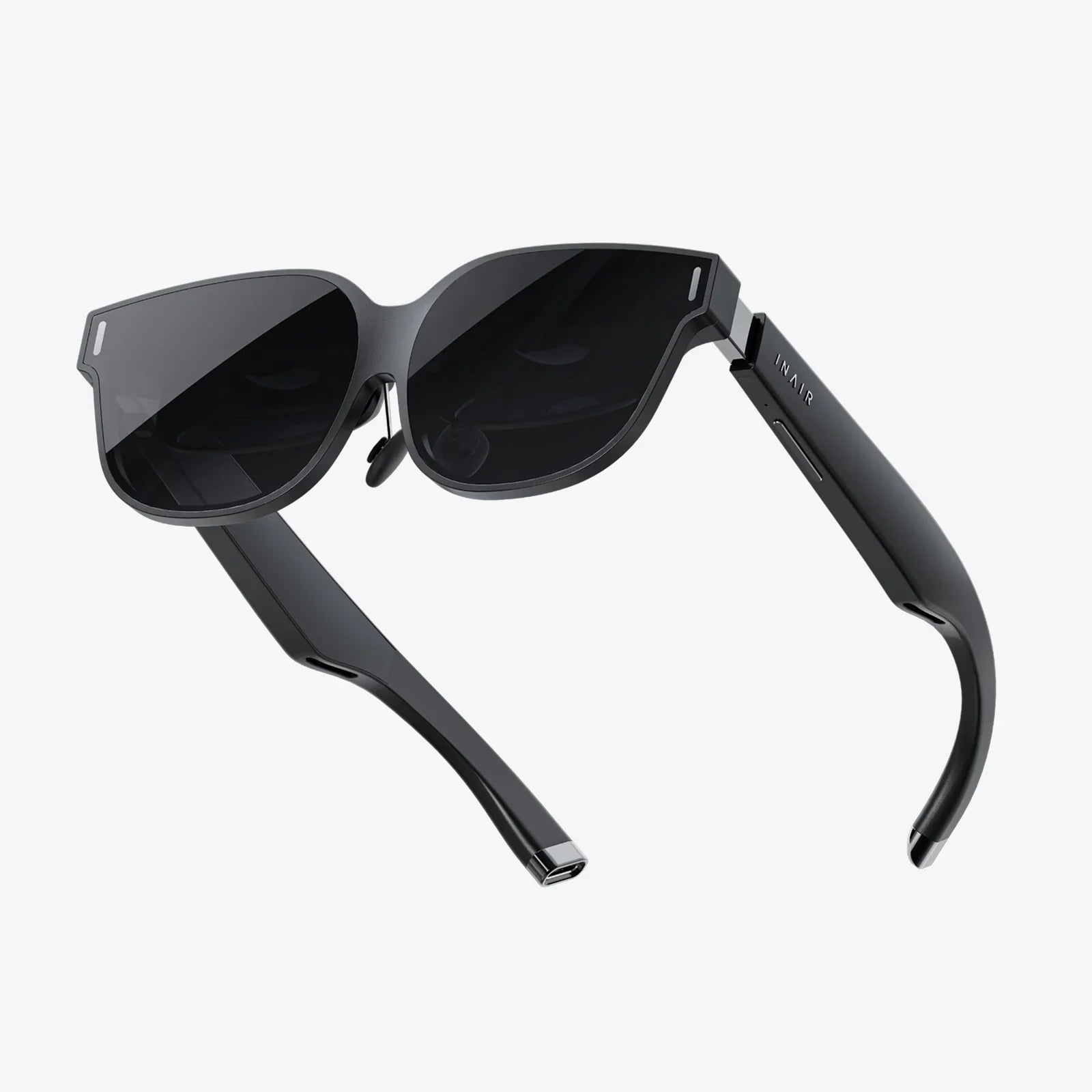
AR and VR are not just display technologies; they are fundamentally new interaction paradigms. Virtual Reality immerses the user completely in a digital world, requiring new techniques for navigation and manipulation. Hand-tracking controllers allow users to reach out and "grab" virtual objects, while omnidirectional treadmills enable natural walking. Augmented Reality overlays digital information onto the physical world, seamlessly blending the two. Interaction here involves gesturing in open space, voice commands, and using the environment itself as an interface—pointing a device at a machine to see its diagnostic data or placing virtual furniture in your real living room to see how it fits. These spatial computing environments demand and enable a holistic, embodied form of interaction.
Beneath the dazzling array of sensors and screens lie timeless principles that guide the design of effective HCI techniques. Usability remains paramount: a system must be learnable, efficient to use, and memorable after a period of disuse. It should minimize errors and generate user satisfaction. Furthermore, the concept of affordance is critical—the design of an object should suggest how it is used (a button looks like it should be pressed). As techniques become more invisible and ambient, feedback becomes even more crucial; the system must always acknowledge the user's input and communicate its state, even without a screen. Ultimately, the goal is to create a seamless flow where the user's attention is on their task, not on the tool itself.
The power of these new techniques must be harnessed responsibly. A core tenet of modern HCI is universal design—creating interactions that are accessible to people with a wide range of abilities, disabilities, and other characteristics. Voice interfaces empower those who cannot use a traditional keyboard; eye-tracking technology can provide computer access for individuals with limited motor control. However, this evolution also raises significant ethical questions. Emotion-aware systems and BCIs deal with incredibly sensitive biometric data, demanding rigorous privacy and security protections. There is a risk of algorithmic bias, where systems trained on limited data fail to recognize the emotions or speech patterns of certain demographic groups. The HCI community must prioritize transparency, user control, and equitable access to ensure these powerful techniques serve to empower all of humanity, not just a select few.
The silent dialogue between human and machine is accelerating into a fluent conversation, one held with our voices, our hands, our eyes, and soon, perhaps, our minds. The evolution of human-computer interaction techniques is quietly constructing a world where technology doesn't demand our focus but anticipates our needs, where it doesn't live on a desk but is woven into the fabric of our existence. This is the promise of the invisible interface—a future of boundless potential, limited not by the commands we can remember, but only by the ideas we can imagine. The bridge is being built; the next step is to cross it together.