


- by wangfred
Mixed Reality Headset Updates: The Next Leap in Immersive Computing
- by wangfred
Imagine a world where the digital and physical seamlessly intertwine, where holographic instructions float over your real-world tasks, and virtual meetings feel as tangible as face-to-face conversations. This is the promise of mixed reality, a frontier of computing that is evolving at a breathtaking pace. The latest wave of mixed reality headset updates isn't just about incremental tweaks; it represents a fundamental leap forward, bringing us closer than ever to a future once confined to science fiction. For anyone curious about the next evolution of human-technology interaction, understanding these updates is essential. They are not merely feature lists; they are the blueprints for a new way of working, creating, and connecting.
At the heart of every mixed reality headset lies its software—the complex operating system that orchestrates the delicate dance between the physical and the digital. Recent updates have focused on creating a more intuitive, powerful, and cohesive foundation for this experience.
A significant area of development has been in environmental understanding and persistence. Early systems could map a room, but that map would often be forgotten once the headset was removed. The latest software iterations have introduced persistent spatial anchors. This means the device can remember the precise layout of your spaces across sessions. Place a virtual clock on your real wall, and it will still be there, perfectly aligned, days later. This creates a sense of digital permanence that is crucial for blending virtual content authentically into our daily lives.
Furthermore, the recognition of objects and surfaces has become remarkably sophisticated. Systems can now intelligently identify tables, chairs, walls, and even windows, allowing digital objects to interact with them realistically. A virtual ball can bounce off your real sofa, and a virtual screen can be placed flush against your real wall. This level of understanding is powered by continuous machine learning model updates delivered seamlessly to devices, constantly refining their perception of the world.
Another critical software update revolves around user interface and interaction paradigms. The clumsy menus of early systems are giving way to elegant, hand-centric controls. Updates have introduced more nuanced hand-tracking, allowing for pinch, grab, and gesture commands that feel natural and require no physical controllers. The operating system itself is becoming a spatial environment, with app windows, menus, and dashboards existing as fixed elements in your room, accessible with a glance and a gesture, reducing the cognitive load and making the technology feel like an extension of oneself.
If the software is the brain, the display is the soul of the mixed reality experience. Manufacturers are in a relentless pursuit of visual perfection, and the latest updates reflect this ambition.
The most talked-about advancement is the push for higher resolution and pixel density. The dreaded "screen door effect," where users could see the gaps between pixels, is rapidly becoming a relic of the past. New micro-display technologies and optical stack improvements are delivering crisper text, smoother edges, and more lifelike visuals. This is paramount for productivity applications, where reading text for hours must be as comfortable as on a physical monitor, and for immersion, where virtual worlds must be convincing enough to believe.
Equally important are updates to passthrough technology. Mixed reality relies on high-quality video feeds of the real world, upon which digital content is overlaid. Recent updates have dramatically improved these cameras, moving from grainy, low-latency views to high-resolution, full-color video streams. Some systems now offer depth-aware passthrough, which better integrates digital objects into the real environment by applying accurate occlusions and lighting. This reduces the visual dissonance that can break immersion and is a critical step toward true seamless blending.
Finally, advancements in field of view (FOV) and varifocal displays are addressing long-standing user comfort issues. A narrow FOV can feel like looking through binoculars, but newer optical designs are expanding this view, pulling users deeper into the experience. Even more impressively, experimental updates and next-gen hardware promise varifocal capabilities—lenses that dynamically adjust to where the user's eyes are focused, mitigating the vergence-accommodation conflict that causes eye strain and opening the door to longer, more comfortable usage sessions.
The magic of mixed reality is sold the moment a user reaches out and interacts with a hologram. Making that interaction feel real is one of the field's greatest challenges, and recent updates are making significant strides.
Inside-out tracking has become the standard, eliminating the need for external sensors placed around a room. The latest algorithms, powered by more powerful on-device processors and additional sensors, have made this tracking incredibly robust and low-latency. Whether a user is moving quickly, in a low-light environment, or even showing their hands to the headset's cameras, the system maintains a rock-solid understanding of its position in space. This reliability is fundamental to user confidence and comfort.
As mentioned, hand-tracking has seen monumental improvements. What was once a novelty is now a primary input method. Updates have reduced latency to imperceptible levels and improved recognition of complex gestures and fast motions. Users can now type on a virtual keyboard, play a virtual piano, or manipulate complex 3D models using nothing but their hands. This liberation from controllers makes the technology feel more immediate and accessible.
Looking to the future, the most anticipated updates concern haptic feedback. While still in its relative infancy, progress is being made on devices that can simulate the sensation of touch. From gloves that provide resistance when gripping a virtual object to more experimental technologies using ultrasonic waves to create tactile sensations in mid-air, these updates will be the final piece of the puzzle, completing the illusion of digital presence and making virtual objects truly feel like they exist in our world.
All these dazzling features are meaningless without the underlying performance to sustain them. Updates are continuously optimizing the relationship between hardware and software to squeeze every ounce of potential from the devices.
One of the most welcome categories of updates is focused on thermal and power management. Mixed reality is computationally intensive, generating heat and draining batteries quickly. Through smarter software, manufacturers are finding ways to offload processing, manage background tasks more efficiently, and optimize rendering pipelines. The result is longer usable battery life and devices that run cooler and quieter, enhancing comfort for extended wear.
Connectivity is also seeing major enhancements. Support for newer standards like Wi-Fi 6E is being rolled out, offering faster, more stable wireless connections for streaming content and for tethering to powerful external computers. This is crucial for high-end applications in enterprise and design, where untethered freedom is desired but cannot come at the cost of visual fidelity or performance.
Furthermore, the ecosystem is embracing cloud computing. Rather than burdening the headset's limited hardware with immense computational tasks, updates are enabling more processes to be handled remotely in the cloud. This could eventually allow for incredibly complex simulations and visuals to be streamed to relatively lightweight, affordable headsets, democratizing access to high-end mixed reality experiences.
A headset is just a window; it's the content that fills the view that gives it purpose. The most strategic updates are those that empower developers and attract enterprise customers.
Continuous improvements to Software Development Kits (SDKs) and APIs are giving creators more powerful and easier-to-use tools. Updates often include new features for environmental understanding, better access to camera feeds for augmented reality applications, and simplified workflows for building cross-platform experiences. By lowering the barrier to entry and increasing the creative potential, these updates ensure a steady flow of innovative applications and games.
For businesses, updates are increasingly focused on device management and security. IT departments need to be able to deploy, manage, and secure fleets of headsets just as they do with laptops and phones. New software features enable remote updates, application deployment, and privacy controls, such as the ability to disable cameras in sensitive areas. These are not glamorous updates, but they are absolutely essential for widespread adoption in manufacturing, healthcare, training, and remote assistance.
Finally, the concept of a digital identity is being woven into the fabric of these platforms. Updates are bringing more expressive and realistic avatars for social and professional interactions, making remote collaboration feel more human and engaging. This focus on identity and social connection is what will transform mixed reality from a solitary tool into the foundational platform for the nascent metaverse.
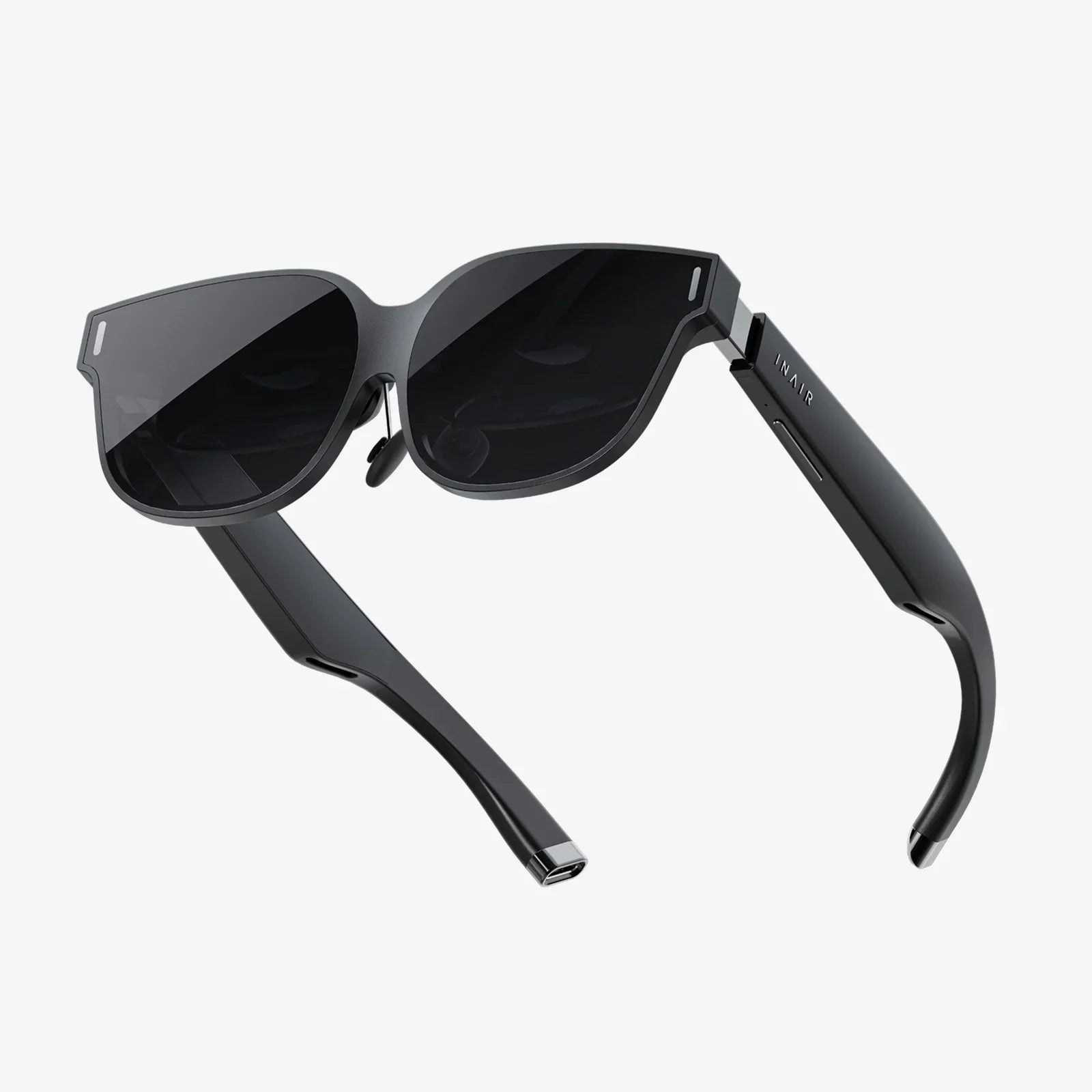
Despite the incredible progress, the journey is far from over. The industry still grapples with challenges of form factor, weight, and cost. Future updates will likely focus on making devices smaller, lighter, and more socially acceptable to wear for extended periods. The ultimate goal remains a pair of glasses that can deliver a full mixed reality experience, a goal that will require breakthroughs in optics, battery technology, and compute miniaturization.
Furthermore, the ethical and societal implications of such powerful technology are coming into sharper focus. Future updates will need to include robust privacy controls, clear user indicators when recording, and thoughtful design to prevent digital addiction and ensure these technologies enhance, rather than detract from, our real-world experiences.
The pace of change is not slowing down. The updates we see today are laying the groundwork for a future where mixed reality is as ubiquitous as the smartphone. We are moving from a phase of novelty to one of utility, where these devices will become indispensable tools for how we learn, work, and play.
The constant stream of mixed reality headset updates is more than just a technical log; it's a live broadcast of a paradigm shift in computing. Each software patch, each new feature, and each hardware refinement chips away at the barriers between our minds and the digital realm. This isn't just about better graphics or smoother tracking—it's about fundamentally expanding human potential. The next time your device prompts for an update, see it for what it truly is: an invitation to step just a little further into the future.