


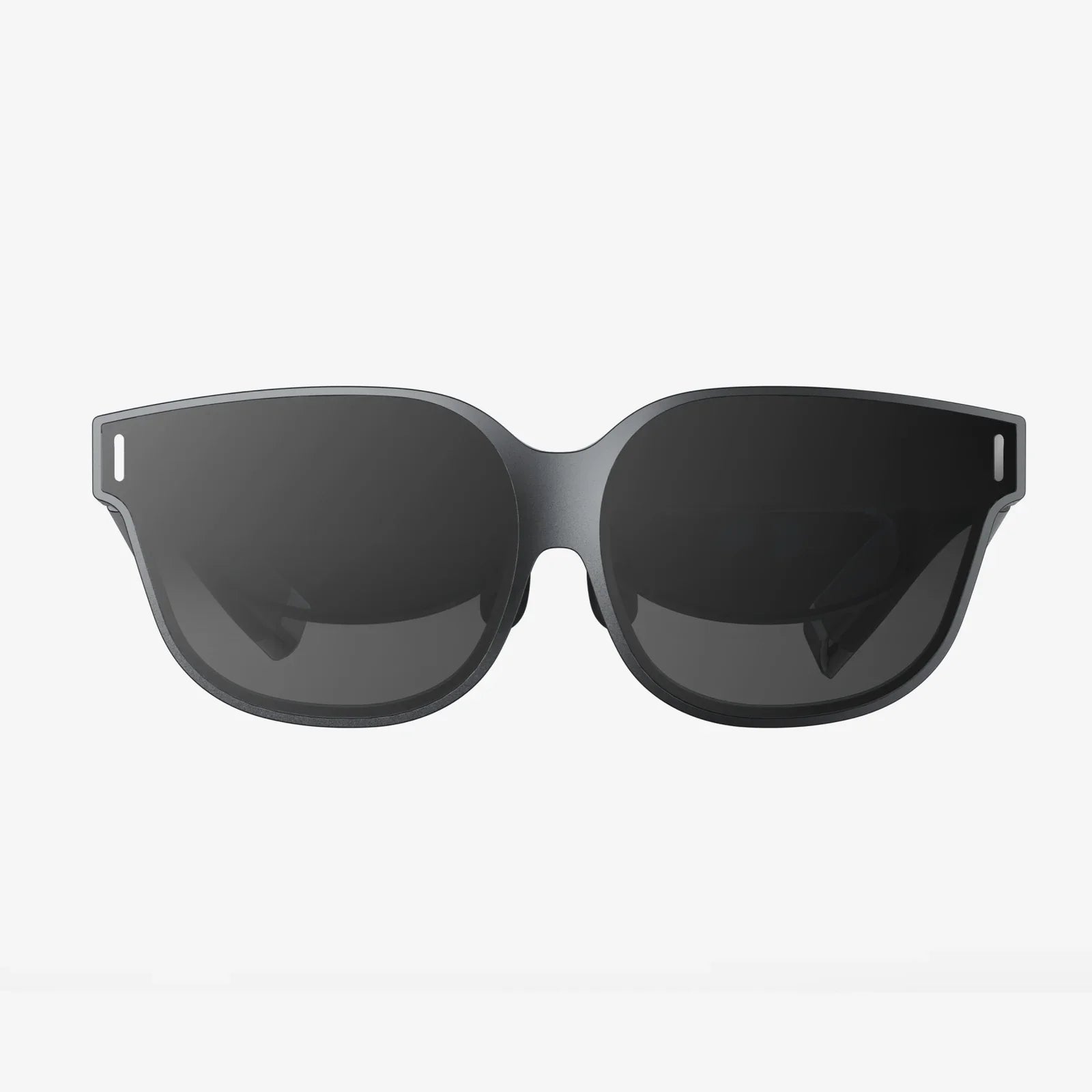
Imagine a device that doesn’t just sit in front of your eyes, but dissolves the world around you, transporting your entire consciousness to a realm limited only by imagination. This is the promise and power of modern immersion virtual reality goggles, a technological marvel that is rapidly evolving from a niche novelty into a transformative force poised to reshape entertainment, work, education, and human connection itself. We stand at the precipice of a new dimension, and these sleek, head-worn portals are our ticket to cross over.
The Architecture of Presence: How True Immersion is Engineered
The ultimate goal of any high-end immersion virtual reality goggle is to achieve a state known as 'presence'—the uncanny and powerful sensation of actually being in the virtual environment, a feeling so convincing that the conscious mind temporarily suspends its disbelief. This is not achieved by any single component, but through a symphony of advanced technologies working in perfect harmony.
At the heart of the experience are the displays. Modern goggles utilize twin high-resolution OLED or LCD panels, one for each eye, offering refresh rates that now frequently exceed 90Hz, with high-end models pushing 120Hz or even higher. This combination of crystal-clear imagery and ultra-smooth motion is fundamental to preventing the latency-induced motion sickness that plagued earlier generations. The field of view (FOV) is another critical factor; a wider FOV, often exceeding 100 degrees, more closely mimics human binocular vision, further eroding the perceptual barrier between the user and the virtual world.
But a visual portal is useless if it cannot track your movements. This is accomplished through a complex combination of inside-out and outside-in tracking systems. Cameras and sensors mounted on the goggles themselves constantly map the physical room, while gyroscopes and accelerometers track the precise orientation and movement of the user's head. This data is processed instantaneously, ensuring that the virtual world moves in perfect lockstep with the user's own physical motions, making the experience intuitive and natural.
Beyond Sight: The Critical Role of Audio and Haptics
Visual fidelity is only one part of the immersion puzzle. True presence requires a holistic sensory engagement. This is where 3D spatial audio becomes a game-changer. Unlike standard stereo sound, spatial audio uses complex algorithms to simulate how sound waves interact with the human head and ears. In a virtual environment, a sound source behind and to the left of the user will be perceived as exactly that, creating a convincing soundscape that is every bit as dynamic and responsive as the visual one. The subtle chirp of a bird in a virtual forest, the echo of footsteps in a digital cavern, or the approach of a foe from the rear—all are soldered into the user's reality through impeccable audio design.
Furthermore, the emergence of advanced haptic feedback is adding the crucial sense of touch to the experience. While handheld controllers have provided rudimentary vibration feedback for years, the next frontier is haptics integrated directly into the headset itself. This can range from subtle motors that simulate the rumble of a virtual engine or the impact of a punch, to more experimental systems using ultrasonic waves or targeted pressure to create the sensation of virtual objects on the user's skin. This multi-sensory layering is what ultimately sells the illusion, convincing the brain that the experience is real.
A World of Applications: Far More Than Just Games
While the gaming industry has been the primary driver of consumer adoption, the potential applications for immersion virtual reality goggles stretch far beyond the realm of entertainment. They are becoming powerful tools for productivity, learning, and well-being.
Revolutionizing Education and Training
Imagine medical students performing intricate virtual dissections without ever touching a cadaver, or history students walking through a perfectly reconstructed ancient Rome. Immersion virtual reality goggles make this possible. They provide a safe, cost-effective, and incredibly engaging platform for experiential learning. Trainee pilots can practice emergency procedures, mechanics can learn the intricacies of a new engine, and public speakers can hone their skills in front of a virtual audience. The ability to practice, fail, and learn in a risk-free environment is a pedagogical revolution.
The Future of Remote Work and Collaboration
The concept of the 'virtual office' is being redefined. Instead of a grid of faces on a video call, colleagues from across the globe can don their goggles and meet as lifelike avatars in a shared digital space. They can brainstorm on virtual whiteboards, examine 3D models of products together, and interact with a sense of shared presence that flat screens cannot replicate. This technology promises to make remote collaboration more natural, productive, and human, potentially reducing the need for physical travel and office space.
Therapeutic and Healthcare Breakthroughs
The healthcare sector is finding profound uses for this technology. It is already being used successfully for exposure therapy, helping patients with phobias like fear of heights or flying to confront their anxieties in a controlled, gradual manner. It is also used for pain management, distracting burn victims during painful wound care procedures with calming virtual environments. Furthermore, VR is proving to be a valuable tool in physical rehabilitation, turning repetitive exercises into engaging games that motivate patients to complete their therapy regimens.
The Human Factor: Navigating the Psychological and Social Implications
As with any powerful technology, the rise of immersion virtual reality goggles brings with it a host of important questions and potential challenges that society must confront.
The psychological effects of long-term, deep immersion are still being studied. While 'VR hangovers'—a feeling of disorientation after removing the headset—are usually temporary, the long-term impact on brain development, particularly in children, is a subject of ongoing research. There is also the potential for a new form of escapism, where individuals might prefer a curated virtual reality to the complexities of their real lives, leading to social isolation or neglect of real-world responsibilities.
Data privacy and security represent another major frontier. These devices are data collection powerhouses, tracking everything from user movements and gaze patterns to biometric responses and the detailed layout of a user's home. Who owns this data? How is it used? The potential for targeted advertising or more nefarious surveillance is a serious concern that requires robust ethical frameworks and transparent policies from developers and manufacturers.
Finally, the issue of accessibility must be addressed. To avoid creating a new digital divide, it is crucial that this technology is developed with inclusivity in mind, ensuring that experiences are accessible to users with different physical abilities and that the cost does not prohibit widespread adoption for education and enterprise.
Gazing into the Crystal Ball: The Future of Immersive Technology
The current generation of immersion virtual reality goggles is impressive, but it is merely a stepping stone. The future points towards even more seamless and integrated experiences. We are moving towards varifocal displays that dynamically adjust to where the user's eyes are focused, solving the vergence-accommodation conflict that can cause eye strain. Eye-tracking will become standard, not just for intuitive menu navigation, but for foveated rendering—a technique that maximizes processing power by rendering only the area the user is directly looking at in full detail.
Further ahead, the lines between the physical and digital will blur even more with the development of advanced augmented reality (AR) and mixed reality (MR) capabilities, all within the same form factor. The ultimate goal is a pair of sleek, lightweight glasses that can either augment our world with digital information or replace it entirely with a virtual one at a moment's notice. Brain-computer interfaces, though still in their infancy, hint at a future where we might navigate virtual spaces with our thoughts alone.
The journey of immersion virtual reality goggles is just beginning. They are more than a piece of hardware; they are a new canvas for human creativity, a new tool for understanding our world, and a new medium for connecting with each other. They challenge our very definitions of reality and experience. As the technology continues to advance, becoming more powerful, affordable, and integrated into our daily lives, the question will slowly shift from if we will use these devices to how they will fundamentally redefine what it means to work, learn, play, and be human. The portal is open, and an infinite number of worlds await on the other side.
Share:
Augmented Reality vs Virtual Reality: A Comprehensive Guide to the Future of Digital Experience
Virtual Reality Desktop Environment: The Ultimate Guide to the Future of Personal Computing