


- by wangfred
Impact of Virtual Reality on Daily Life: A Revolution in Our Homes, Work, and Play
- by wangfred
Imagine a world where the boundaries of physical space dissolve, where you can attend a meeting in Tokyo, walk on Mars, or consult with a surgeon—all without leaving your living room. This is no longer the realm of science fiction; it is the rapidly dawning reality powered by virtual reality technology. The impact of virtual reality on daily life is not a distant future prediction; it is an ongoing, profound revolution that is quietly and decisively reshaping the very fabric of how we live, work, learn, and connect. The headset is becoming a new doorway, and what lies beyond is fundamentally altering the human experience.
For decades, VR existed on the periphery, associated primarily with clunky, expensive hardware and the world of video games. Today, that perception is radically outdated. The technology has undergone a dramatic miniaturization and cost reduction, moving from specialized labs into consumer homes. The impact is no longer about the novelty of the experience itself, but about the utility and value it adds to mundane activities. We are witnessing a shift from VR as an event to VR as an environment—a tool as integrated into our daily routines as smartphones or laptops.
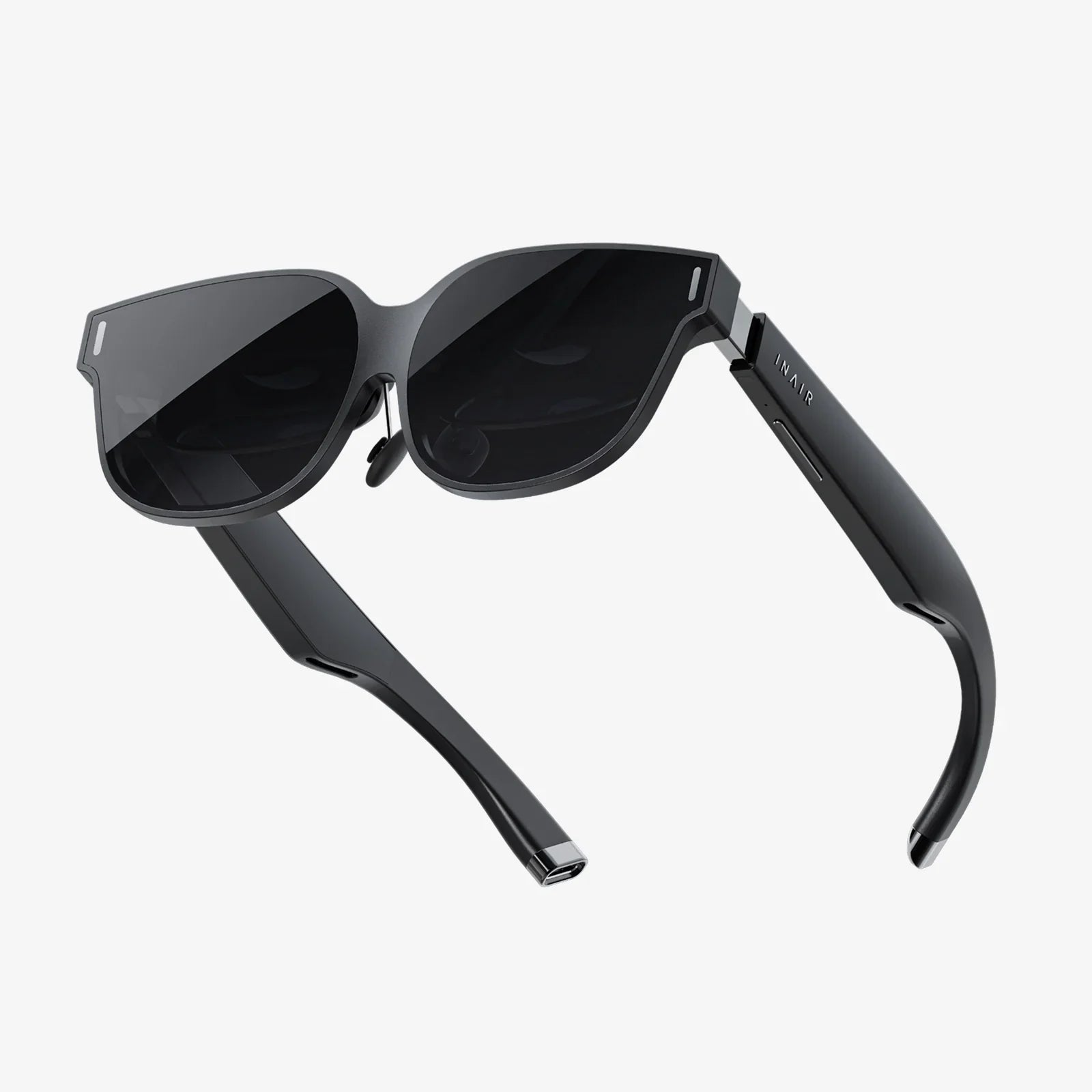
This integration is happening across a spectrum of devices, from fully immersive headsets that transport users to entirely digital worlds to more accessible augmented reality applications that overlay digital information onto our physical surroundings. This spectrum allows VR to cater to different needs and contexts, from deep, focused immersion to quick, context-aware assistance, making its impact both broad and deep.
Perhaps one of the most significant impacts of VR is in the realm of education and professional training. The technology offers an unparalleled method of experiential learning, effectively bridging the gap between theoretical knowledge and practical application.
In classrooms, students are no longer limited to reading about ancient Rome; they can don a headset and walk through a meticulously reconstructed Forum, hearing the sounds and seeing the scale of the architecture. Medical students can practice complex surgical procedures on virtual patients, making critical mistakes and learning from them in a consequence-free environment. This hands-on approach caters to various learning styles and dramatically improves knowledge retention by creating powerful, associative memories.
Beyond traditional education, VR is revolutionizing high-stakes training. Pilots have used simulators for years, but now firefighters can train for dangerous blaze scenarios, police officers can de-escalate tense situations, and mechanics can learn to repair new engine models—all within virtual spaces. This not only reduces training costs and risks but also ensures that individuals are better prepared and more confident when facing real-world challenges. The muscle memory and procedural knowledge gained in VR are directly transferable, saving time, resources, and potentially lives.
The impact of VR on healthcare is nothing short of revolutionary, offering new avenues for treatment, therapy, and patient care that were previously unimaginable.
VR has emerged as a powerful tool for pain management. By immersing patients in calming, engaging virtual environments, such as a serene beach or a tranquil forest, healthcare providers can effectively distract the brain from processing pain signals. This is particularly beneficial for patients undergoing painful procedures like wound care or for those with chronic pain conditions, reducing reliance on pharmacological painkillers.
Similarly, exposure therapy for phobias and PTSD has found a powerful ally in VR. Therapists can gradually and safely expose patients to their triggers—be it heights, spiders, or a traumatic memory—within a completely controlled virtual setting. This allows patients to confront and process their fears at a manageable pace, leading to more effective and lasting outcomes.
Telepresence through VR enables world-renowned surgeons to guide procedures or even operate robotic systems remotely from thousands of miles away, bringing expert care to underserved regions. In rehabilitation, VR games and exercises make repetitive physical therapy sessions more engaging and enjoyable for patients recovering from strokes or injuries. By tracking movement precisely, therapists can also gather quantifiable data on a patient's progress, allowing for highly personalized treatment plans.
The concept of the office is being fundamentally redefined by virtual reality, accelerating the shift towards remote work and global collaboration.
VR collaboration platforms allow distributed teams to meet in a shared virtual space, represented by avatars. Unlike video calls, which often feel flat and lack a sense of shared presence, VR meetings can replicate the nuances of in-person interaction. Colleagues can make eye contact, use body language, gather around a virtual 3D model of a new product, and brainstorm on a virtual whiteboard as if they were in the same room. This fosters a stronger sense of team cohesion and can spark creativity in ways that traditional teleconferencing cannot match.
In fields like architecture, engineering, and product design, VR has become an indispensable tool. Designers can step inside their creations long before the first brick is laid or the first prototype is built. An architect can walk a client through a full-scale model of a building, allowing for changes to be made in real-time. This not only saves immense amounts of time and money but also leads to better-designed, more user-friendly outcomes by providing an intuitive understanding of space and form.
At its core, VR is a social technology. Its impact on how we connect with others for leisure and shared experiences is creating entirely new forms of community and storytelling.
Social VR platforms are evolving into vibrant digital metropolises where people can meet, play games, attend live concerts, or watch movies together in virtual theaters. For individuals separated by geography or those with mobility issues, this offers a profound sense of presence and togetherness that a text message or video call cannot provide. Grandparents can feel like they are sitting next to their grandchildren, and friends separated by oceans can feel like they are sharing the same space.
Entertainment is being transformed from a passive viewing experience into an active, participatory journey. VR films and games place the user directly inside the narrative, making them a character whose actions can influence the story. This creates an unprecedented level of empathy and emotional engagement. Live events, from sports games to music festivals, are beginning to offer VR streams, giving fans the best seat in the house from anywhere in the world and creating new revenue streams and audience engagement models.
With such transformative power comes a host of ethical dilemmas and potential societal challenges that我们必须 proactively address.
VR systems are data collection powerhouses. They track not just where you look, but your precise movements, eye gaze, pupil dilation, and even vocal inflections. This biometric data is incredibly sensitive, offering insights into a user's emotional state, attention, and even unconscious reactions. The question of who owns this data, how it is used, and how it is protected is one of the most pressing issues surrounding the technology. Without robust regulations and ethical standards, this data could be used for manipulative advertising or more nefarious purposes.
As experiences become more immersive, the potential for reality blurring increases. Prolonged time in virtual environments could lead to difficulties in distinguishing between virtual and real interactions or consequences. There are also concerns about VR addiction, where the idealized virtual world becomes preferable to the complexities of real life, potentially leading to social isolation and neglect of physical-world responsibilities. Furthermore, the phenomenon of "VR presence"—the feeling of being in another place—can be so strong that negative experiences or harassment within VR can feel as traumatic as real-world events, necessitating new forms of community moderation and user protection.
The cost of high-quality VR equipment and the required computing power threatens to create a new digital divide. If crucial services in healthcare, education, and employment begin to migrate into virtual spaces, those who cannot afford access risk being left further behind, exacerbating existing social and economic inequalities. Ensuring equitable access will be critical to preventing a society split into those who can experience virtual enhancement and those who cannot.
The trajectory of VR points towards a future where it is not a separate activity but a seamless layer over our daily lives—a concept often referred to as the metaverse. We will likely move towards more comfortable, socially acceptable wearables, like AR glasses, that allow us to toggle between a fully digital world and our physical one enhanced with digital information. Your morning run could be accompanied by a virtual coach, your navigation through a new city could be overlaid with historical facts, and your evening social gathering could be a hybrid event attended by both local friends in person and remote friends as holographic avatars.
The impact will be felt in the most personal ways: how we preserve memories, how we shop for clothes by trying them on digitally, how we design and furnish our homes, and even how we practice mindfulness and meditation in custom-crafted sanctuaries. The virtual and the physical will cease to be separate realms and will instead become intertwined aspects of a single, enhanced human experience.
The doorway that virtual reality opens is not an escape from our reality, but an expansion of it. It offers the potential to overcome physical and geographical limitations, to learn and empathize more deeply, and to connect with others in ways that feel magically human. While the challenges are significant and demand careful navigation, the promise is a daily life enriched with experiences that were once beyond our imagination. The revolution is not coming; it is already here, waiting for you to log in and explore its limitless potential.