


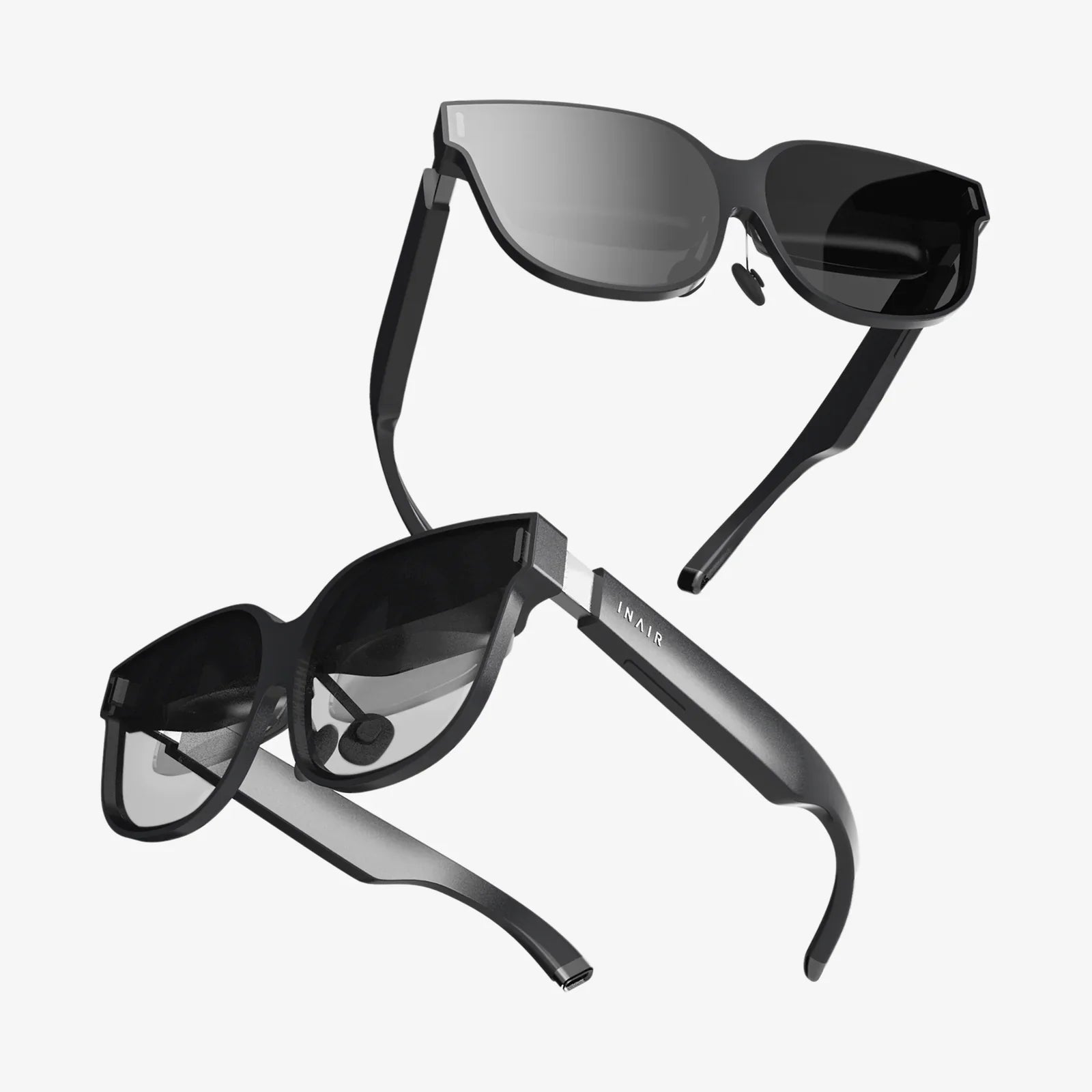
Imagine stepping into a world so vast, so detailed, and so unshackled from the laws of physics that it defies belief—a digital cosmos where the only true limit is the imagination itself. This is the promise, the allure, and the profound challenge of improbable virtual reality, a technological frontier that is rapidly moving from science fiction to tangible experience. It represents not merely an evolution of graphics or processing power, but a fundamental reimagining of what a simulated environment can be, pushing beyond the confines of the probable into the exhilarating realm of the impossible.
The Architectural Pillars of the Improbable
At its core, improbable virtual reality is built upon a foundation of technological marvels that work in concert to create experiences previously thought unattainable. It is a symphony of processing, networking, and design that must perform in perfect harmony.
Distributed Computing and The Death of the Single Server
The first and most critical pillar is the move away from traditional, centralized server architecture. To simulate a world of immense scale and complexity, where thousands—or even millions—of participants can interact simultaneously in a persistent state, requires a distributed computing model. This involves a complex mesh of interconnected servers, often spread across global data centers, working together to manage the immense computational load. This system must handle physics calculations, artificial intelligence routines, user inputs, and environmental changes in real-time, ensuring that a player's action in one corner of the world can, if designed, have a tangible effect on another.
The Conundrum of Persistent Synchronization
Closely tied to distributed computing is the Herculean task of persistent synchronization. In a conventional digital environment, only the immediate vicinity of a player is actively simulated. In an improbable virtual reality, the entire world exists, evolves, and persists whether a player is there to witness it or not. A tree chopped down remains felled. A city built remains standing. This requires a stateful simulation that continuously tracks the condition of millions of entities across the entire digital landscape and synchronizes this state perfectly across every server and to every user's device with minimal latency. The engineering challenge here is staggering, demanding new protocols and data compression techniques to avoid catastrophic lag or desynchronization.
Advanced Physics and Logic Engines
Finally, the content itself must be governed by something more sophisticated than pre-scripted events. Improbable virtual realities demand dynamic, systemic gameplay. This is powered by advanced physics and logic engines that can simulate complex cause-and-effect relationships. Imagine a virtual economy where supply and demand are driven by real player actions, or a ecosystem where predator and prey populations fluctuate based on environmental factors, all without developer intervention. These are not scripted narratives but emergent realities born from a set of initial rules, creating a living, breathing world that feels genuinely improbable in its depth and reactivity.
Beyond Gaming: The Expansive Applications
While the most visible applications of this technology are in the realm of entertainment, its potential extends far beyond creating the next generation of games. The ability to create vast, complex, and interactive simulations has profound implications for numerous fields.
Revolutionizing Education and Training
Imagine medical students performing intricate surgery on a hyper-realistic, dynamic patient that reacts to every incision and procedure, not in a pre-programmed way, but through a complex simulation of human physiology. Envision emergency response teams training for disaster scenarios in a perfect digital replica of a city, where fires spread realistically, crowds panic based on simulated behaviors, and structural damage follows accurate physics. Improbable virtual reality offers a risk-free, infinitely repeatable, and incredibly detailed sandbox for training and education, enhancing muscle memory and decision-making skills in ways previously impossible.
Urban Planning and Architectural Design
City planners and architects could step inside a 1:1 scale model of a proposed urban development, not as a static model, but as a living system. They could simulate traffic flow at different times of day, observe how sunlight falls on streets throughout the year, test the acoustic properties of a new concert hall, or even stress-test infrastructure against virtual natural disasters. This allows for problems to be identified and solved in the design phase, saving millions in potential real-world costs and creating better, more livable environments.
The Future of Social Interaction and Remote Work
The concept of the "metaverse" is intrinsically linked to improbable virtual reality. It posits a future where we don't just video call into meetings, but instead gather in a persistent virtual boardroom, or where concerts and social events are held in sprawling digital venues that defy earthly constraints. For remote work, this could mean collaborating on 3D engineering designs in a shared virtual space, examining a full-scale prototype of a new product, or conducting immersive onboarding sessions for new employees located anywhere in the world. It promises a sense of presence and shared space that flat screens and video feeds cannot hope to match.
The Philosophical and Ethical Labyrinth
As with any technology of such transformative power, the rise of improbable virtual reality invites deep philosophical questions and ethical dilemmas that society must grapple with.
The Blurring Line Between Reality and Simulation
As these digital worlds become more immersive, persistent, and compelling, the line between the virtual and the real will increasingly blur. This raises profound questions about identity, experience, and what we consider to be "real." If a person lives a significant portion of their life, forms meaningful relationships, and achieves a sense of purpose within a simulation, can those experiences be dismissed as less valid? This challenges our very understanding of consciousness and existence, echoing philosophical thought experiments like the brain in a vat.
Governance, Economy, and Digital Rights
Who governs a persistent world with millions of inhabitants? Who makes the rules, settles disputes, and protects the rights of its citizens? Furthermore, these worlds will inevitably develop their own complex economies, with virtual goods and currencies that hold real-world value. This creates a minefield of issues around taxation, regulation, ownership, and fraud. The concept of digital property rights and citizenship will need to be legally defined, presenting a monumental challenge to existing legal frameworks.
The Risk of Existential Escape
There is a significant risk that these impeccably crafted, often idealized virtual worlds could become a form of mass existential escape. If a user's real life is unsatisfying, the allure of a world where they can be a hero, a master architect, or a wealthy entrepreneur might be overwhelming. This could lead to widespread addiction, social isolation, and a disengagement from the pressing problems of the physical world. The responsibility of creators to encourage healthy engagement, rather than exploitative addiction, will be paramount.
Gazing into the Improbable Future
The trajectory of this technology points toward a future even more deeply integrated with our own reality. The next leaps will likely involve the integration of artificial intelligence to populate these worlds with believable, autonomous non-player characters that can learn and adapt. Breakthroughs in haptic feedback and neural interfaces could eventually allow us to feel the virtual sun on our skin or the texture of a digital object, dissolving the sensory barrier between the real and the simulated entirely. We are marching toward a future where the question is no longer "What can we simulate?" but rather "What can't we simulate?"
The door is now open to realities once confined to our wildest dreams, inviting us to build, explore, and question everything we know about the nature of existence itself within these impossible new worlds.
Share:
One Effect of Virtual Reality: The Erosion of Our Shared Physical Reality
One Effect of Virtual Reality: The Erosion of Our Shared Physical Reality