


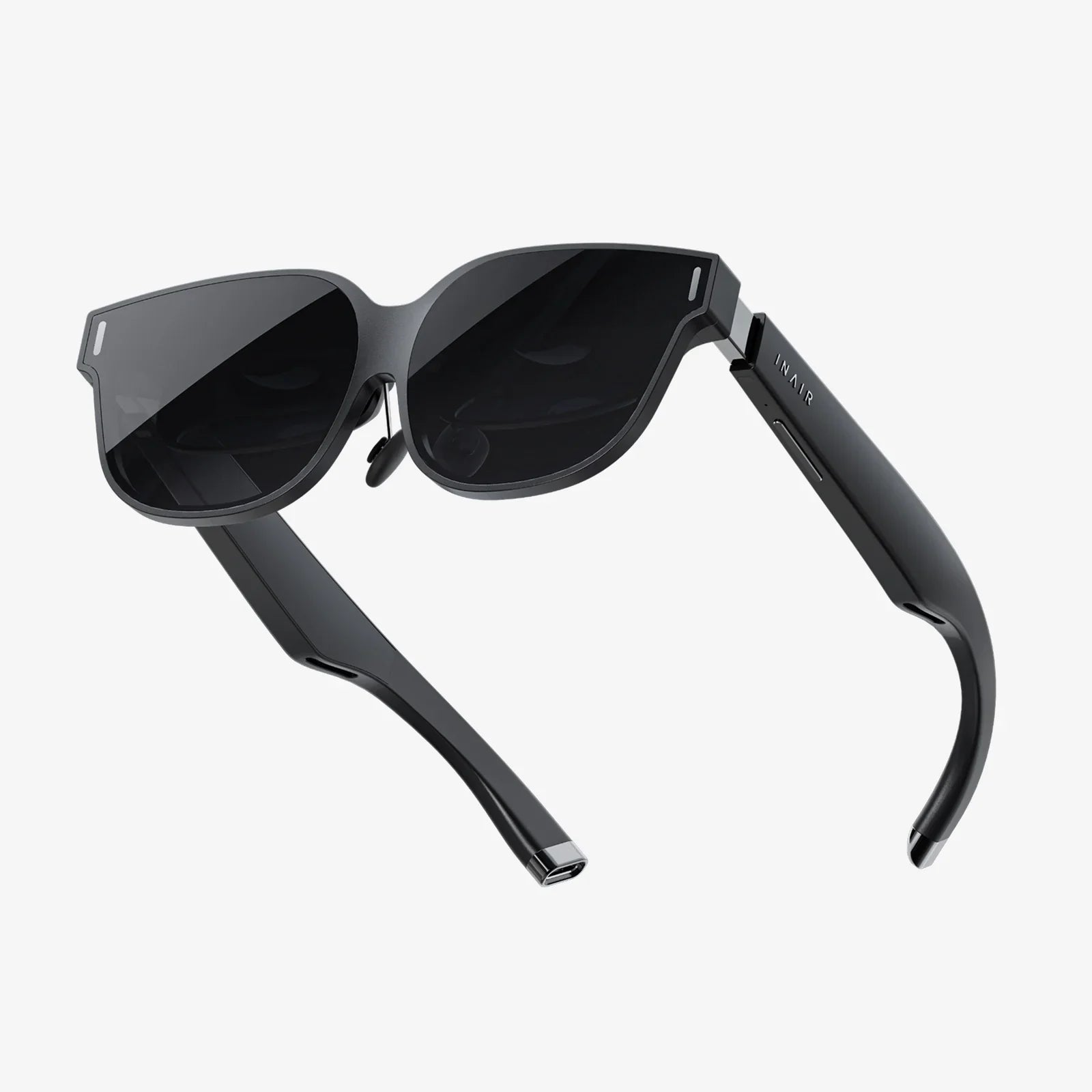
The digital landscape of India is on the cusp of a profound transformation, one that promises to blur the lines between the physical and the virtual. The India Extended Reality market is not merely an emerging technology sector; it is a burgeoning universe of opportunity, innovation, and immersive experiences that is capturing the imagination of entrepreneurs, corporations, and policymakers alike. From the bustling tech hubs of Bengaluru and Hyderabad to the ambitious corridors of government power in New Delhi, a collective vision for an immersive digital future is rapidly taking shape. This is not a distant sci-fi fantasy but a tangible reality being built today, poised to redefine how millions learn, work, shop, and connect. The convergence of a massive youthful population, skyrocketing internet penetration, and a proactive regulatory environment has created a perfect storm for XR—encompassing Virtual Reality (VR), Augmented Reality (AR), and Mixed Reality (MR)—to flourish, potentially making India one of the most significant XR markets on the global stage.
The Pillars of Growth: Demographics, Connectivity, and Policy
The foundation of the India Extended Reality market's potential is undeniably its demographic dividend. With over half its population under the age of 25 and a rapidly growing middle class, India possesses a vast, tech-savvy user base inherently curious about new digital experiences. This demographic is not just a consumer base but also a source of immense creative and technical talent, fueling the ecosystem from within.
Complementing this human potential is the revolutionary rollout of high-speed internet infrastructure. The deployment of 5G networks across the country is a critical game-changer for XR technologies. The ultra-low latency and high bandwidth capabilities of 5G are essential for delivering seamless, high-fidelity AR overlays and enabling complex, cloud-rendered VR experiences without the need for prohibitively expensive local hardware. This leap in connectivity solves one of the most significant historical bottlenecks for immersive tech, making rich XR applications accessible to a much broader audience through smartphones and more affordable headsets.
Perhaps the most crucial catalyst is the active role of the Indian government. National initiatives are providing a powerful tailwind for the India Extended Reality market. The Digital India campaign aims to bridge the digital divide and empower citizens with digital infrastructure, creating a fertile ground for XR adoption. The Make in India initiative encourages domestic manufacturing of electronics and hardware, which is pivotal for reducing the cost of VR/AR devices and making them accessible to the mass market. Furthermore, the establishment of Digital India Bhashini is working towards breaking language barriers through AI, a development that will be instrumental in creating localized XR content for India's diverse linguistic landscape. These policies collectively create a supportive framework that de-risks innovation and attracts both domestic and foreign investment into the sector.
Revolutionizing Industries: XR in Action
The true measure of the India Extended Reality market's success lies in its practical applications and the value it creates across various sectors. We are already witnessing a silent revolution as XR solutions move from pilot projects to core operational tools.
Education and Skilling
In a country with a vast and diverse education system, XR offers a powerful tool for democratizing and enhancing learning. Imagine a student in a remote village taking a virtual field trip to the Taj Mahal or the Himalayas, or a medical student practicing complex surgical procedures on a virtual cadaver without any risk. XR enables experiential learning, transforming abstract concepts into tangible, interactive experiences. It is also revolutionizing vocational training and skilling initiatives, allowing trainees to practice operating heavy machinery or repairing complex equipment in a safe, virtual environment before doing so in the real world, thereby improving learning outcomes and safety.
Healthcare
The healthcare sector is embracing XR for a multitude of use cases. Surgeons are using AR overlays to visualize patient anatomy during operations, improving precision and reducing operation times. VR is being deployed for therapeutic purposes, such as treating phobias, managing pain, and aiding in physical rehabilitation by creating engaging and monitored exercise routines. Furthermore, XR is enabling remote diagnostics and consultations, where a specialist could guide a general practitioner through a procedure via AR annotations viewed through smart glasses, effectively expanding the reach of quality healthcare to tier 2 and tier 3 cities.
Retail and E-commerce
The retail landscape is undergoing a massive shift with the integration of AR. Consumers can now use their smartphones to visualize how furniture would look in their living room, how a shade of lipstick would appear on their skin, or how a pair of sunglasses would fit their face before making a purchase. This try-before-you-buy functionality drastically reduces purchase anxiety and product return rates, enhancing consumer confidence and driving sales. For automotive companies, VR showrooms allow potential buyers to explore car models, customize features, and even take virtual test drives, all from the comfort of their homes.
Manufacturing and Enterprise
Enterprises are leveraging XR to boost efficiency, reduce errors, and enhance worker safety. AR smart glasses can provide warehouse workers with real-time information about inventory, navigation, and picking instructions, streamlining logistics. In manufacturing, assembly line workers can receive AR-guided instructions overlaid on machinery, simplifying complex tasks and reducing training time. Remote experts can see what an on-site technician sees and provide visual guidance for maintenance and repairs, minimizing downtime and travel costs. These applications are driving significant Return on Investment (ROI) for businesses, cementing XR's role as a critical enterprise technology.
Real Estate and Architecture
The sector has been an early adopter of immersive walkthroughs. Potential homebuyers can take virtual tours of properties that are still under construction, experiencing the space and layout long before the first brick is laid. Architects and interior designers use VR to present their visions to clients, allowing for immersive modifications and a better understanding of spatial dynamics, leading to more informed decision-making and higher client satisfaction.
The Vibrant Ecosystem: Startups, Investments, and Talent
The India Extended Reality market is being propelled forward by a dynamic and innovative startup ecosystem. A wave of ambitious companies is emerging, focusing on everything from developing indigenous hardware and software platforms to creating industry-specific XR solutions. These startups are attracting significant attention and capital from both venture capital firms and corporate investors who recognize the long-term potential of the space.
This entrepreneurial energy is supported by a growing pool of world-class talent. India's strong IT and engineering foundation provides a deep bench of software developers, 3D artists, game designers, and UX/UI specialists who are rapidly acquiring specialized skills in XR development. Numerous educational institutions and private academies are now offering courses and certifications in VR/AR development, ensuring a steady pipeline of talent to meet the industry's growing demands. This combination of innovation, capital, and skill is creating a self-sustaining cycle of growth and advancement within the ecosystem.
Navigating the Challenges: The Road Ahead
Despite the immense optimism, the journey for the India Extended Reality market is not without its hurdles. Overcoming these challenges is essential for achieving mainstream adoption.
Hardware Affordability and Accessibility: High-quality, standalone VR headsets and AR smart glasses remain relatively expensive for the average Indian consumer. Driving down costs through local manufacturing and economies of scale is critical. The market's growth in the short to medium term may heavily rely on smartphone-based AR experiences, which have a lower barrier to entry.
Content Creation and Localization: For XR to achieve mass appeal, it needs a rich library of compelling, high-quality content that is relevant to the Indian audience. This includes not just games and entertainment but also educational, informational, and utility-based applications. Content must be developed in multiple Indian languages and must cater to local cultural contexts to achieve widespread resonance.
Digital Literacy and User Awareness: While urban centers are rapidly adopting new technologies, a significant portion of the population is still unfamiliar with XR. Educating users about the benefits and use cases of VR and AR beyond gaming is necessary to drive adoption across demographics.
Privacy and Data Security: XR devices, by their very nature, collect vast amounts of sensitive data, including biometric data, spatial mapping of user environments, and detailed user behavior patterns. Establishing robust, clear, and trustworthy data privacy and security frameworks is paramount to building user trust and ensuring the ethical development of the industry.
The Future is Immersive: What Lies on the Horizon
The trajectory of the India Extended Reality market points toward an increasingly immersive and integrated future. We are moving towards the concept of the metaverse—a persistent network of shared, virtual spaces—and India is poised to be a significant participant. This will open up new frontiers for social interaction, remote work, virtual events, and digital commerce. As technologies like artificial intelligence, haptic feedback, and brain-computer interfaces continue to evolve, they will further enhance the fidelity and immersion of XR experiences. The line between our digital and physical realities will continue to blur, creating new forms of entertainment, new paradigms for work, and new ways to experience the world around us.
The India Extended Reality market stands at a thrilling inflection point, a symphony of innovation waiting to be fully orchestrated. It's a narrative of a nation not just adapting to a global technological wave but aiming to ride its crest and define its direction. The challenges are real, but the collective will of its innovators, the support of its government, and the appetite of its people create an unstoppable momentum. This is more than a market forecast; it's a glimpse into a new dimension of human experience being coded and built across India right now. The next digital revolution won't just be viewed on a screen—it will be lived, felt, and shaped in immersive worlds, and India is ready to play a leading role in bringing that future to life for millions.
Share:
AR Supported Devices: The Ultimate Guide to Hardware Shaping Our Augmented Reality Future
AR Supported Devices: The Ultimate Guide to Hardware Shaping Our Augmented Reality Future