


Imagine a world where your morning alarm doesn't just buzz mindlessly but analyzes your sleep cycle to wake you at the optimal moment, your coffee machine begins brewing as your feet touch the floor, and your mirror displays the day's weather and your schedule while you get ready. This isn't a scene from a science fiction film; it is the palpable reality being forged by the explosive growth of the intelligent electronic devices market, a technological revolution that is seamlessly weaving digital intelligence into the very fabric of our daily existence. The convergence of processing power, connectivity, and artificial intelligence is creating a new ecosystem of smart, responsive, and intuitive gadgets that promise to redefine convenience, efficiency, and personalization on a global scale.
The Engine of Innovation: Core Technologies Driving the Market
This market's meteoric rise is not accidental; it is propelled by a powerful synergy of several foundational technologies. Understanding these drivers is key to comprehending the market's potential and trajectory.
Artificial Intelligence and Machine Learning
At the heart of every intelligent device is its "brain": artificial intelligence (AI) and machine learning (ML). These are not mere buzzwords but the core differentiators between a standard electronic device and an intelligent one. AI algorithms enable devices to process vast amounts of data from their sensors, learn from user behavior, and make predictive decisions. For instance, a smart thermostat learns your daily routine and temperature preferences, automatically adjusting the climate to optimize comfort and energy efficiency without requiring constant manual input. Machine learning models allow for advanced features like natural language processing in smart speakers, facial recognition in security cameras, and personalized content recommendations on streaming sticks. This capability to learn and adapt is what transforms a passive tool into an active, helpful assistant.
The Internet of Things (IoT) and Ubiquitous Connectivity
Intelligence is amplified through connection. The Internet of Things (IoT) represents the vast network of physical objects—devices, vehicles, home appliances—embedded with sensors, software, and other technologies for the purpose of connecting and exchanging data with other devices and systems over the internet. The proliferation of high-speed internet, including the rollout of 5G networks, and the widespread adoption of Wi-Fi 6 and Bluetooth Low Energy have created a robust infrastructure for these devices to communicate effortlessly. This connectivity is the central nervous system of the smart ecosystem, allowing your smartphone to talk to your lights, your watch to monitor your fridge, and your car to sync with your calendar. It enables remote control, real-time data syncing, and the creation of complex automation scenarios that work across different brands and product categories.
Advanced Sensor Technology and Miniaturization
If AI is the brain and connectivity is the nervous system, then sensors are the sensory organs of an intelligent device. The dramatic advancement and miniaturization of sensor technology have been a critical enabler. Today's devices are packed with a suite of sophisticated sensors: accelerometers, gyroscopes, magnetometers, ambient light sensors, proximity sensors, heart rate monitors, LiDAR, and high-resolution microphones and cameras. These sensors collect granular data about the environment and the user, providing the raw input that AI algorithms need to function. The ability to pack this sensing power into ever-smaller and more power-efficient form factors has made possible the sleek wearables, discreet home assistants, and powerful smartphones that define the market.
A Universe of Devices: Key Market Segments
The intelligent electronic devices market is not a monolith; it is a diverse and expanding universe of product categories, each with its own dynamics and growth drivers.
Smart Home Ecosystems
Perhaps the most visible segment for consumers, the smart home market, has evolved from a niche hobby to a mainstream pursuit. This segment includes:
- Smart Speakers and Displays: Acting as central hubs for voice control and information access.
- Smart Lighting: Offering remote control, color changing, and automation based on time of day or occupancy.
- Smart Thermostats and HVAC Controls: Delivering significant energy savings through learning and automation.
- Smart Security Systems: Including video doorbells, cameras, locks, and alarm systems that provide remote monitoring and peace of mind.
- Smart Appliances: Refrigerators that can track groceries, ovens that can be preheated remotely, and vacuums that clean autonomously.
The driving force here is the desire for enhanced convenience, security, and energy management, creating a more responsive and efficient living environment.
Wearables and Personal Electronics
This segment focuses on intelligence that is worn on the body, representing a highly personalized segment of the market.
- Smartwatches and Fitness Trackers: These devices have transcended their timekeeping origins to become comprehensive health and wellness companions. They monitor heart rate, sleep patterns, blood oxygen levels, and physical activity, providing users with actionable insights into their well-being.
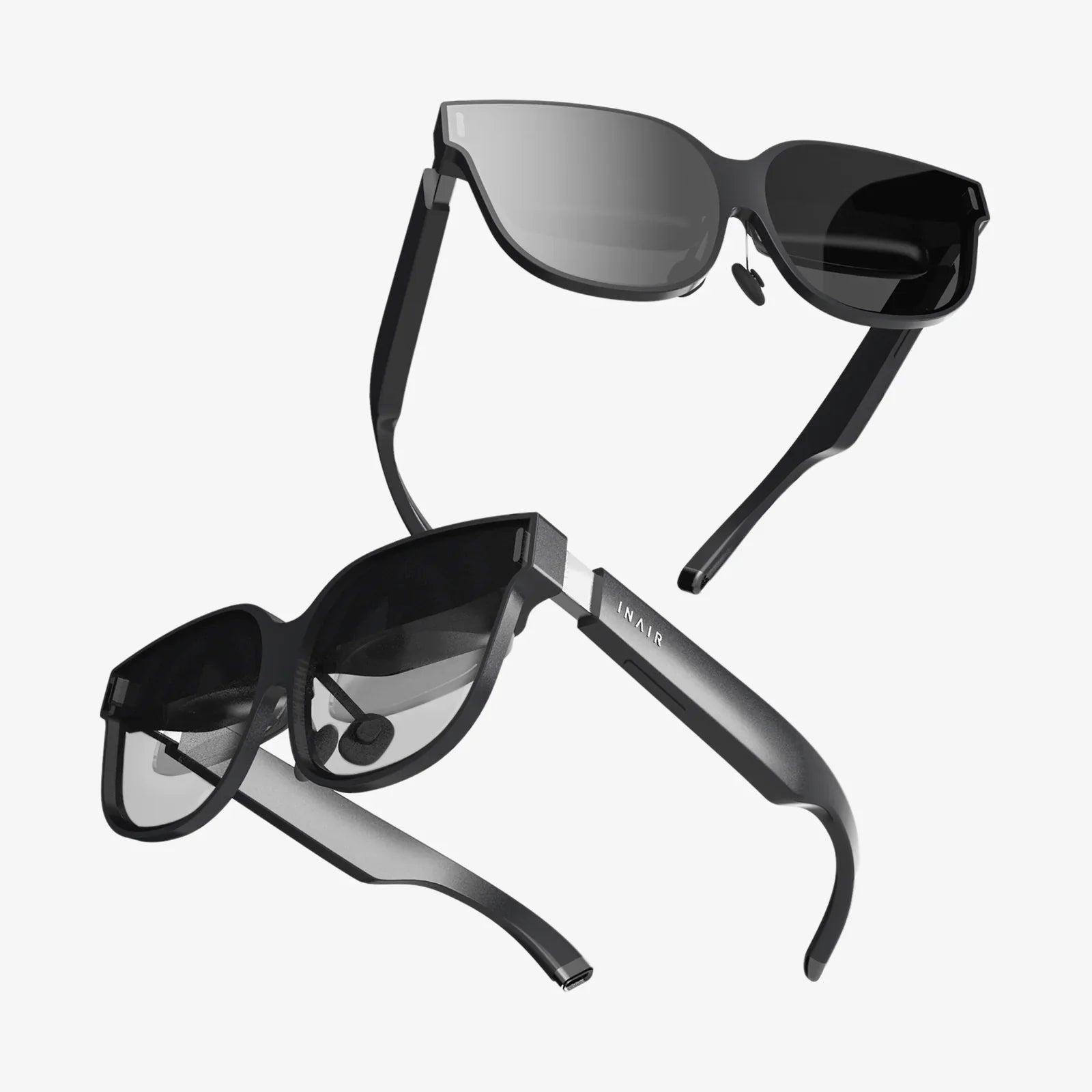
- Smart Glasses and AR/VR Headsets: While still emerging, this category holds immense potential for overlaying digital information onto the physical world, with applications in gaming, industrial design, remote assistance, and navigation.
- Hearables: Advanced wireless earbuds now feature active noise cancellation, transparent hearing modes, and integrated voice assistants, making them intelligent audio portals.
The trend here is towards proactive health management and seamless integration of digital information into the user's immediate perception.
Smartphones and Personal Computers
It is impossible to discuss intelligent devices without acknowledging the cornerstone of the modern digital era: the smartphone. These devices are the primary gateway and control center for the wider ecosystem of intelligent devices. Their intelligence is reflected in computational photography, powerful AI-assisted chipsets that optimize performance and battery life, and context-aware software that anticipates user needs. Similarly, modern laptops are incorporating AI co-processors to enhance video conferencing, battery life, and security, blurring the line between personal computing and ambient intelligence.
Navigating the Challenges: Security, Privacy, and Sustainability
Despite the exciting potential, the rapid expansion of the intelligent electronic devices market is not without significant headwinds that must be addressed to ensure sustainable growth.
The Ever-Present Threat: Cybersecurity
Every connected device represents a potential entry point for malicious actors. The infamous Mirai botnet attack, which harnessed a army of insecure IoT devices like cameras and routers to launch massive cyberattacks, serves as a stark warning. Security often takes a backseat to rapid development and cost-cutting, leaving devices vulnerable. Manufacturers must prioritize building security into the hardware and software from the ground up, including regular firmware updates, strong encryption, and secure boot processes. Consumers, likewise, must be vigilant about changing default passwords and maintaining their devices.
The Privacy Paradox
Intelligent devices are, by their nature, data-hungry. They constantly collect information about our habits, preferences, movements, and even our private conversations. This creates a profound privacy paradox: we trade personal data for convenience and functionality. Questions about who owns this data, how it is used, whether it is anonymized, and if it is sold to third parties are paramount. Tighter regulations, like the GDPR in Europe, are pushing for greater transparency and user control. The market's long-term success hinges on building trust through clear data policies and giving users genuine control over their information.
The Environmental Impact: E-Waste and Energy Consumption
The proliferation of devices has a tangible environmental cost. The market contributes to the growing problem of electronic waste (e-waste), as devices are frequently upgraded and older models are discarded. Many devices are difficult to repair and not designed for recycling, leading to hazardous materials ending up in landfills. Furthermore, the millions of devices constantly connected to the internet and charging contribute to a significant aggregate energy draw. The industry is facing increasing pressure to adopt circular economy principles, designing products for longevity, repairability, and recyclability, and to power their vast data centers with renewable energy.
The Horizon of Tomorrow: Future Trends and Transformations
The intelligent electronic devices market is far from reaching its peak. Several emerging trends are set to define its next chapter, pushing the boundaries of what these devices can do.
The Rise of Contextual and Ambient Computing
The next evolution will move beyond devices that respond to commands to systems that understand context and operate ambiently. Instead of saying, "Hey assistant, turn on the light," the lights will simply turn on as you walk into the room, recognizing your presence and the time of day. Devices will work together in the background, anticipating needs without explicit instruction. Your car might alert your home that you are ten minutes away, triggering the thermostat to adjust and the lights to turn on. This requires a deeper level of interoperability and sophisticated AI that understands user intent within a specific situation.
Hyper-Personalization through AI
Personalization will evolve from simple recommendations to deeply individualized experiences. AI will synthesize data from all a user's devices—their wearables, phone, car, and home—to build a holistic model of their health, preferences, and routines. A wellness device could then offer not just generic health tips but highly specific dietary suggestions based on your metabolic response, sleep data, and activity levels. This hyper-personalization will make technology feel less like a tool and more like a true personal assistant.
The Integration with Smart Cities and Infrastructure
The intelligence will not be confined to personal and home devices. The next frontier is the integration of personal electronics with broader urban infrastructure—the smart city. Your smartphone could communicate directly with traffic management systems to optimize your commute, with public transportation for seamless ticketing, and with energy grids to sell back solar power from your home batteries. Intelligent devices will become our interface with a smarter, more efficient, and more responsive urban environment.
The trajectory is clear: the line between the physical and digital worlds will continue to blur, driven by a market that is listening, learning, and evolving at a breathtaking pace. The intelligent electronic devices market is building the infrastructure for a future where technology doesn't just respond to our commands but understands our needs and quietly works to meet them, creating a world that is not only smarter but also more intuitive, efficient, and personally attuned to every individual within it. The next time your device anticipates your need before you even express it, remember—you are no longer just a user; you are an active participant in the largest technological transformation of the modern era.
Share:
White AR: The Invisible Interface Revolutionizing Our Digital and Physical Worlds
VR Content for Goggles: The Ultimate Gateway to Immersive Digital Realities