


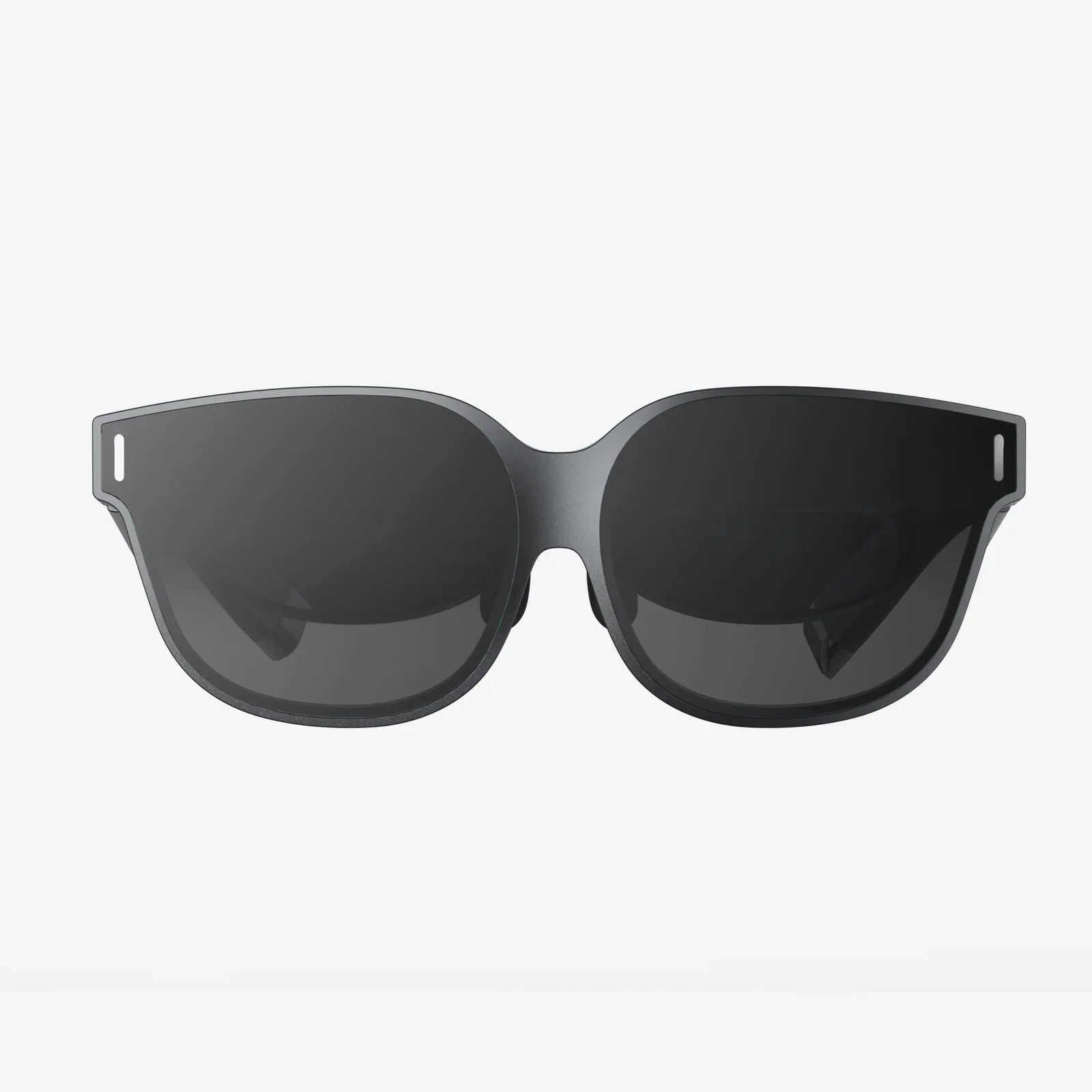
Imagine a world where the boundaries of physical reality dissolve, where you can walk with dinosaurs, perform intricate heart surgery from your living room, or sit across a virtual table from a loved one thousands of miles away, feeling as if you are truly there. This is no longer the stuff of science fiction; it is the burgeoning reality being unlocked by advanced interactive virtual reality systems. This technology is rapidly evolving from a novel gaming peripheral into a profound platform that promises to reshape every facet of our lives, from how we work and learn to how we connect and heal. The journey into these immersive digital realms is just beginning, and its potential is as limitless as human imagination itself.
The Anatomy of Immersion: More Than Just a Headset
At its core, an interactive virtual reality system is a sophisticated symphony of hardware and software designed to trick the human brain into accepting a digital environment as real. While a head-mounted display is the most recognizable component, true interactivity is born from a complex ecosystem.
The visual experience is driven by high-resolution, high-refresh-rate displays placed mere centimeters from the user's eyes. Low-persistence technology ensures images remain sharp during rapid head movements, while a wide field of view expands the digital canvas to encompass peripheral vision. This visual fidelity is crucial for achieving the elusive state of "presence"—the undeniable sensation of being somewhere else.
However, vision is only one sense. Spatial audio is equally critical. By using head-related transfer function (HRTF) algorithms, these systems can simulate 3D sound, making a whisper seem to come from directly behind you or an explosion roar from a specific point in the distance. This auditory layer deepens the immersion significantly.
The Language of Interaction: Controllers, Hands, and Haptics
An interactive virtual reality system distinguishes itself from a passive one through its input mechanisms. Early systems relied on handheld controllers with buttons, joysticks, and basic haptic rumble. These were effective but still an abstraction—a tool to manipulate the world, not a direct extension of the self.
The paradigm shift arrived with inside-out tracking and computer vision. Cameras mounted on the headset now map the physical room and, more importantly, track the user's hands and fingers with astonishing accuracy. This enables natural gesture-based interaction. You can push, pull, grab, and throw objects intuitively. The ability to see your own virtual hands and see them respond to your real-world movements is a powerful catalyst for presence.
The next frontier in interaction is advanced haptic feedback. This goes beyond a simple vibration. It involves wearable devices like gloves or full-body suits that can simulate texture, weight, resistance, and impact. Imagine feeling the rough bark of a tree you touch in a virtual forest, the recoil of a virtual tool, or the gentle pressure of a virtual handshake. This tactile feedback closes the loop between the digital and the physical, creating a truly embodied experience.
Revolutionizing Education and Professional Training
Perhaps the most immediate and impactful application of interactive virtual reality systems lies in education and training. Traditional learning often relies on abstract concepts and 2D representations. Interactive VR makes learning experiential and visceral.
- Medical Training: Aspiring surgeons can practice complex procedures on hyper-realistic virtual patients, making mistakes without consequences. They can "step inside" a detailed 3D model of the human body, walking through the bloodstream to understand a disease or manipulating individual organs to understand their function.
- Historical and Cultural Education: Instead of reading about ancient Rome, students can walk its streets, hear the sounds of the forum, and look up at the towering temples. Museums can offer interactive exhibits where users can handle fragile artifacts or witness historical events unfold around them.
- Technical and Safety Training: Engineers can interact with full-scale 3D models of machinery before it's built. Astronauts can train for spacewalks. Factory workers can practice dangerous procedures in a completely safe, virtual environment, building muscle memory and confidence.
This "learning by doing" approach dramatically improves knowledge retention and skill acquisition compared to passive learning methods.
Transforming Healthcare and Therapeutic Practices
The therapeutic potential of interactive virtual reality systems is vast and already yielding remarkable results. By creating controlled, immersive environments, therapists can guide patients through experiences tailored to their specific needs.
Exposure therapy for phobias and PTSD is a prime example. A patient with a fear of flying can gradually experience the sights, sounds, and sensations of an airplane, from boarding to takeoff, all from the safety of their therapist's office. The interactive element allows the therapist to control the scenario in real-time, escalating or de-escalating the intensity based on the patient's response.
In physical rehabilitation, VR turns repetitive and often painful exercises into engaging games. A patient recovering from a stroke might be tasked with reaching for virtual stars to improve their range of motion or navigating obstacle courses to regain balance and coordination. This "gamification" increases motivation and adherence to therapy regimens.
Furthermore, VR is being used for pain distraction, especially for burn victims during wound care. By immersing the patient in a calming, engaging virtual world like a snowy landscape, the brain's attention is diverted from processing pain signals, reducing the perceived pain levels and the need for powerful medication.
Redefining Remote Collaboration and the Future of Work
The global shift to remote work has highlighted the limitations of video conferencing. A grid of faces on a screen is a poor substitute for the dynamic, spatial nature of a shared physical workspace. Interactive virtual reality systems offer a compelling solution: the metaverse for work.
Imagine team members from across the globe meeting not in a video call, but in a virtual boardroom designed for their specific project. They can share and interact with 3D models—an architect can walk colleagues through a building design, a product designer can examine a prototype from every angle, and a scientist can manipulate a complex molecular structure.
This spatial collaboration fosters a much stronger sense of shared presence and agency. Non-verbal cues like pointing, gesturing, and making eye contact are translated into the virtual space, making communication more natural and effective. It's not about replicating the office online; it's about creating a new kind of workspace that transcends physical location and unlocks new forms of creativity and productivity.
The Social Dimension: Connection Beyond Geography
Human connection is fundamentally spatial. We gather in places. Interactive VR has the potential to create the most compelling digital social spaces ever conceived. Social VR platforms allow users to embody avatars and interact with others in virtual worlds. They can attend live concerts together, watch movies in a virtual theater, play games, or simply hang out and talk around a virtual campfire.
The key is the embodiment provided by an interactive system. You don't just type laughter; your avatar can actually laugh. You can high-five a friend, make eye contact, and sense their proximity. This fosters a depth of connection that flat, text-based, or even video-based social media cannot achieve. For individuals facing isolation due to geography, disability, or other circumstances, this technology can be a lifeline, offering a profound sense of community and shared experience.
Ethical Considerations and the Path Forward
As with any powerful technology, the rise of interactive virtual reality systems brings forth important ethical questions. Issues of data privacy are paramount—these systems can collect incredibly intimate data, including eye-tracking, biometric responses, and detailed maps of a user's physical environment. Robust frameworks for data ownership and consent are essential.
The potential for addiction and the blurring of lines between reality and simulation is another concern. As these worlds become more compelling and rewarding than real life for some, we must foster digital literacy and encourage healthy usage patterns.
Furthermore, ensuring equitable access is crucial to prevent a new "digital divide" between those who can afford these immersive experiences and those who cannot. The technology must be developed and deployed with inclusivity and accessibility as core principles from the outset.
The hardware itself will continue to evolve. We are moving towards lighter, wireless headsets with higher resolution, wider fields of view, and more sophisticated haptics. The ultimate goal is a seamless, comfortable, and hyper-realistic experience that feels effortless. The convergence of VR with augmented reality (AR) will also create mixed reality experiences that blend digital objects seamlessly into our physical world.
The true potential of the interactive virtual reality system lies not in escaping our reality, but in enhancing it. It is a tool for empathy, allowing us to see the world through another's eyes. It is a tool for creation, enabling us to build and experience the impossible. It is a tool for connection, bringing us closer together regardless of physical distance. We are standing at the precipice of a new dimension of human experience, ready to step into a future where our digital and physical lives are woven together in ways we are only beginning to imagine. The headset is not just a device; it is a portal, and what lies on the other side will change everything.
Share:
AI Image Extrapolation: Expanding the Canvas of Reality Beyond the Frame
Windows Mixed Reality Adjust Turning: The Ultimate Guide to a Perfect VR Setup