


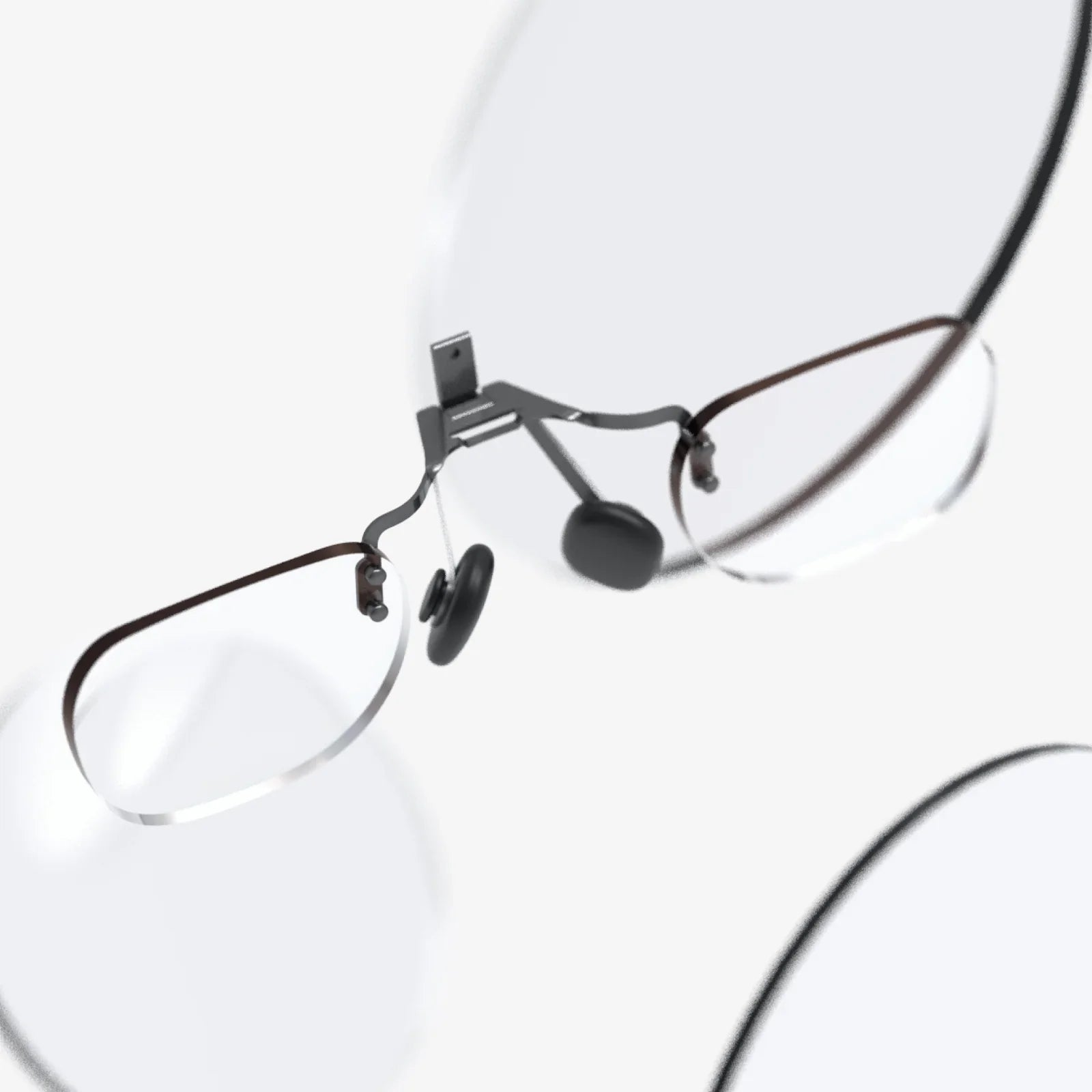
Imagine slipping a sleek visor over your eyes and instantly being transported from your living room to a front-row seat at a concert, a strategic command center in a distant galaxy, or a tranquil meditation garden under a starlit sky. This is no longer the stuff of science fiction. The combination of a powerful modern smartphone and an accessible virtual reality headset is shattering the barriers to entry for immersive digital experiences, placing unparalleled computing power directly into our field of vision. The fusion of these two technologies represents a pivotal moment, not just in consumer electronics, but in how we perceive and interact with information and each other.
The Engine Room: Unpacking the Power Within
At the heart of this experience lies a technological marvel that fits in the palm of your hand. Modern smartphones are equipped with processors that rival the computing power of recent laptops. These chips are not just fast; they are architectural powerhouses designed for efficiency and complex graphical tasks. They feature advanced neural engines capable of handling real-time machine learning operations, which is crucial for tasks like positional tracking, gesture recognition, and rendering immersive environments without lag.
Complementing this raw processing power is a stunning high-resolution display. With incredibly dense pixel arrays, vibrant color accuracy, and high peak brightness levels, these screens provide the visual fidelity necessary to sell the illusion of reality. When viewed through the precision optics of a headset, the individual pixels blend seamlessly, minimizing the "screen door effect" that plagued earlier VR attempts and allowing for deep, believable immersion.
More Than Just a Shell: The Evolution of the Mobile Headset
The headset itself is far from a simple plastic holder. Today's designs are sophisticated pieces of hardware engineered to complement the smartphone's capabilities. They feature adjustable, comfortable head straps for extended wear, precision-engineered lenses that magnify and focus the screen for a wide field of view, and built-in sound systems that deliver spatial audio for a complete 360-degree sensory experience.
Crucially, many modern headsets incorporate their own additional hardware, such as positional tracking cameras and inertial measurement units (IMUs). These sensors work in concert with the smartphone's own advanced gyroscope, accelerometer, and camera system to create a full six degrees of freedom (6DoF) experience. This means you are not just looking around a static world; you can lean in, crouch down, and walk around within a virtual space, with your movements reflected instantly and accurately in the digital realm. This seamless integration between the phone's sensors and the headset's own technology is what transforms a interesting viewing experience into a truly transformative one.
A Universe of Experiences: From Entertainment to Enlightenment
The true value of any platform is defined by its content, and the ecosystem available for smartphone-powered VR is vast and growing exponentially.
Gaming Reimagined
Gaming is the most obvious and visceral application. Users are no longer merely controlling a character on a screen; they are the character. Whether it’s wielding a lightsaber in a frantic duel, solving intricate environmental puzzles by physically manipulating objects, or experiencing a horror title that feels terrifyingly real, the level of engagement is unmatched by traditional flat-screen games. The accessibility of this platform means indie developers and major studios alike are investing in creating compelling experiences for this burgeoning audience.
Beyond the Game: A New Visual Language
The applications extend far beyond gaming. Imagine:
- Cinematic Experiences: Watching a film in a private virtual theater on a screen that feels 100 feet wide, or being placed directly inside the narrative of a 360-degree documentary, standing alongside the subjects.
- Social Connection: Attending a live virtual concert with friends from across the globe, where you can see their avatars dancing next to you, or collaborating in a virtual meeting room where whiteboards and 3D models can be manipulated naturally.
- Education and Training: Medical students practicing complex procedures on virtual patients, history students taking a walking tour of ancient Rome, or mechanics learning to repair an engine by examining a full-scale 3D model from every angle.
- Mindfulness and Wellness: Guided meditation apps that transport you to a serene beach at sunset or a quiet forest, helping to block out the external world and focus on mental well-being.
The Democratization of Virtual Reality
The most significant impact of the smartphone-headset combination is its role as a great democratizer. High-end, dedicated VR systems represent a considerable financial investment, often requiring a powerful computer to operate. This has historically placed cutting-edge VR out of reach for many consumers. By leveraging a device that millions already own and cherish, the barrier to entry is dramatically lowered. Users only need to invest in the headset itself, which is a fraction of the cost of a full setup. This accessibility is fueling rapid adoption, driving developer interest, and creating a virtuous cycle that enriches the entire ecosystem. It is bringing high-quality virtual reality to the masses, ensuring its future is not niche, but mainstream.
Challenges and Considerations on the Road Ahead
Of course, this technology is not without its challenges. Prolonged use can lead to discomfort or motion sickness for some users, though advancements in higher refresh rates and better tracking are mitigating this. Battery life is a constant consideration, as powering the display and sensors at full tilt is demanding. Furthermore, the social and ethical implications of increasingly immersive technology—questions about privacy, data security, and our relationship with the physical world—are important conversations that society will need to navigate.
However, the trajectory is clear. The technology is becoming more comfortable, more powerful, and more integrated into our daily lives. The distinction between the phone in your pocket and the gateway on your face is blurring, creating a seamless continuum of digital interaction.
The Future is a Blended Reality
Looking forward, the line between virtual reality (VR) and augmented reality (AR) will continue to dissolve. The same powerful sensors and displays that enable deep VR immersion are the foundation for compelling AR experiences—overlaying digital information and objects onto the real world through passthrough camera technology. The device in your pocket is poised to become the lens through which you choose to see the world, whether that means enhancing it with useful data or replacing it entirely for a time. This isn't about escaping reality; it's about expanding its possibilities, adding a dynamic, interactive layer to our perception of everything from education and work to art and play.
We are standing at the precipice of a new era of personal computing, one defined not by screens we look at, but by environments we step into. The combination of a powerful smartphone and a capable headset is the key that is unlocking this door for everyone. It’s an invitation to explore, create, and connect in ways we are only beginning to imagine. The next world you explore won't require a ticket or a flight—it's already in your pocket, waiting for you to look closer.
Share:
VR Headset Concept: Beyond the Hardware, a Portal to New Realities
Can You Wear Open Ear Headphones With Glasses? The Ultimate Comfort Guide