


- by wangfred
iPhone XS Max VR Headset: The Ultimate Guide to Unleashing a Portable Cinema
- by wangfred
Imagine holding a portal to another dimension in your pocket. A device capable of transporting you from your living room to the edge of a volcano, the front row of a concert, or the cockpit of a starfighter. This isn't science fiction; it's the reality unlocked by pairing a powerful smartphone like the iPhone XS Max with a sophisticated VR headset. This combination represents one of the most accessible and compelling gateways into virtual reality, offering an experience that is both profoundly immersive and surprisingly personal.
At the heart of any great mobile VR experience lies the smartphone itself, and the iPhone XS Max was, in its time, a technological titan. Its legacy of power is precisely what makes it such a formidable engine for virtual reality even today. The key to a seamless and believable VR world is performance; any lag, stutter, or dropped frame can shatter the illusion of presence and, for some, induce discomfort.
The A12 Bionic chip inside the iPhone XS Max was a marvel of mobile engineering. Its CPU and GPU were designed to handle incredibly demanding tasks, from advanced augmented reality applications to graphically intensive games. This raw processing power is directly translated into the VR space. It allows the device to render two distinct, high-resolution views (one for each eye) at a consistently high frame rate, often 60 frames per second or higher. This fluidity is not a luxury; it is a necessity for maintaining comfort and immersion, preventing the motion sickness that can plague underpowered VR setups.
Furthermore, the Super Retina HD display of the iPhone XS Max is a critical component. With a resolution of 2688 x 1242 pixels, it offers exceptional clarity and pixel density. When this screen is magnified by the lenses of a VR headset, the resulting image is sharp, vibrant, and detailed. The OLED technology provides perfect blacks and a high contrast ratio, making virtual environments feel deep and realistic rather than flat and washed out. The spacious 6.5-inch screen provides a wide field of view, further pulling you into the experience and minimizing the "binocular" effect seen in lesser setups.
The term "VR headset" for a smartphone encompasses a wide spectrum of devices, from simple cardboard viewers to advanced, feature-rich units. Your choice will dramatically shape your experience.
At the most affordable end are the simple holders, often made from plastic or even cardboard. These devices are essentially a pair of lenses housed in a frame with a slot for your phone. They rely entirely on the phone's internal sensors for head tracking and provide no additional inputs. While they offer a tantalizing first glimpse into VR, their limitations are significant. The experience can be jittery, as the phone's sensors aren't always optimized for the precise, low-latency tracking required for comfort. They are best suited for passive content like 360-degree videos and photos.
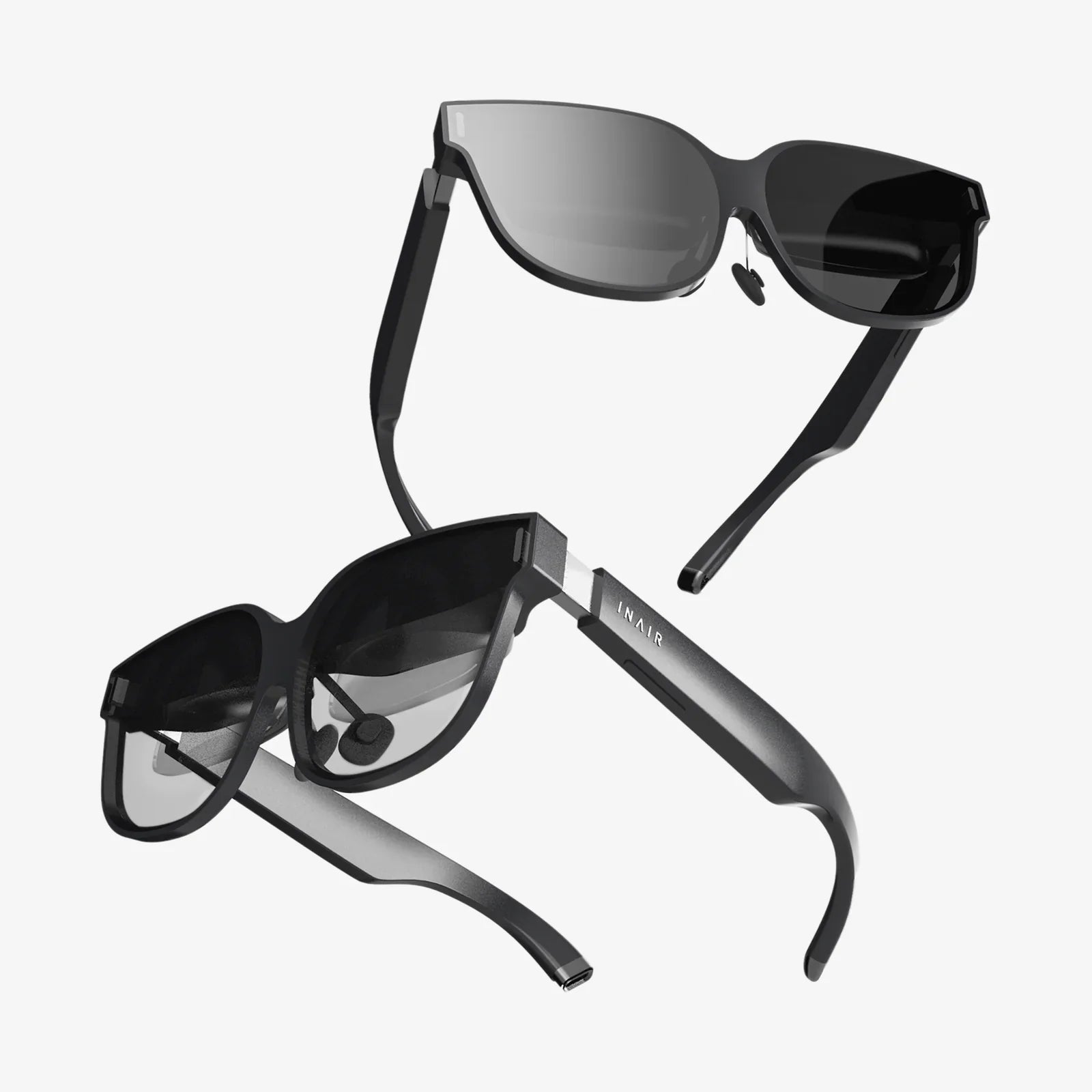
This is where the iPhone XS Max truly shines. Advanced mobile headsets are sophisticated pieces of kit, typically constructed from high-quality plastics and foam for comfort during extended wear. They feature their own refined lens systems, often with adjustable focus and pupil distance (IPD) dials, allowing you to customize the image for crystal-clear clarity.
Critically, many of these headsets include their own integrated field of view. This expanded tracking volume provides more accurate and responsive head movement detection, drastically reducing lag and jitter. The most significant upgrade, however, comes in the form of input. High-end mobile headsets often include a simple Bluetooth controller or, in some cases, a basic handheld pointer. This input method is a game-changer, transforming the experience from a passive watch-fest into an interactive adventure. It allows you to navigate menus, select objects, and interact with virtual environments, unlocking the vast library of interactive VR games and applications.
While gaming is a flagship application for VR, reducing the iPhone XS Max and headset combo to just a game console would be a vast understatement. It is a multifunctional tool for entertainment, education, and creativity.
One of the most immediate and breathtaking applications is video. VR video players allow you to watch your own movies or streaming content on a virtual screen that can feel as large as an IMAX theater. The OLED screen of the iPhone XS Max makes this a genuinely compelling home cinema alternative, with deep blacks and rich colors. Beyond traditional films, the platform excels with immersive 180-degree and 360-degree videos. You can find yourself standing on a stage with a famous band, exploring the International Space Station, or diving on a coral reef, all filmed with specialized cameras that place you at the center of the action.
VR is arguably the best travel technology ever invented. A plethora of applications are dedicated to virtual tourism. You can take guided tours of world-famous museums, walk the streets of distant cities, or visit natural wonders like the Antarctic or the Grand Canyon. These experiences are more than just videos; they are often photogrammetric captures or computer-generated recreations that allow you to move and look around freely, offering a sense of scale and place that a traditional documentary simply cannot match. It's a powerful tool for education and inspiration.
The ecosystem also includes powerful creative tools. There are applications that allow you to sculpt in 3D space, paint on a virtual canvas that surrounds you, or even design architecture. Socially, platforms exist where you can meet friends—or make new ones—in virtual worlds. You can attend live events, play social games, or simply chat in incredible virtual environments, from a cozy lodge to a spaceship lounge. This transforms the headset from a solitary device into a window for human connection.
Getting started is a straightforward process. First, you must select a compatible headset. Ensure the model you choose has a tray large enough to accommodate the considerable size of the iPhone XS Max. Next, you'll need to explore the App Store for VR content. Searching for terms like "VR," "virtual reality," or "cardboard" will yield a wealth of results. Many apps are free, offering samples and experiences, while more sophisticated games and applications may have a cost.
Once you have your headset and apps, the setup is simple: open the app, place the phone into the headset's tray, secure it, and put the headset on. The lenses will focus the screen into a cohesive 3D image. It's advisable to start with stationary experiences like video or gentle tours before jumping into full-motion games to allow your senses to acclimatize.
While powerful, the smartphone-based VR approach has inherent limitations. The graphical fidelity, while impressive for a mobile device, cannot compete with a dedicated PC-powered VR system. These high-end systems have dedicated external sensors and powerful graphics cards that deliver unparalleled visual complexity and interaction.
Battery life is another consideration. Running the display, processors, and sensors at full tilt is demanding. Extended VR sessions will drain the battery quickly, so it's wise to have a charger nearby. Finally, there is the issue of convenience. While more accessible than a PC setup, it still requires inserting and removing your phone from the headset, which can feel cumbersome compared to the all-in-one design of dedicated standalone VR headsets that have emerged as the new standard in mobile VR.
The partnership between a flagship smartphone like the iPhone XS Max and a dedicated VR headset represents a specific, and incredibly important, chapter in the story of virtual reality. It democratized high-end VR experiences, making them available to millions without requiring a expensive gaming computer. It proved the market and fueled the development of the content ecosystem that thrives today.
The torch has now largely been passed to all-in-one standalone headsets, which offer greater convenience and more advanced features like inside-out tracking and dedicated controllers. However, for anyone with a compatible high-end smartphone, the VR headset accessory route remains a fantastic and cost-effective entry point. It showcases the incredible potential hiding within our pocket computers, transforming a communication device into a vehicle for adventure, learning, and awe. It is a testament to the power of pairing brilliant hardware with visionary software, opening up worlds we could once only dream of.
Your iPhone XS Max is more than a communication tool; it's a key to countless realities. Slip it into a headset, and you're not just watching a screen—you're stepping through it. The concert, the cockpit, the distant planet—they are all waiting, hidden in plain sight, ready for you to press play and disappear. The next adventure doesn't require a new device; it requires a new perspective, and it's already in your hand.
Share:
VR Headset Open Now: The Dawn of Spatial Computing and an Unfettered Digital Reality
VR Headset Won't Turn On? A Complete Troubleshooting and Repair Guide