


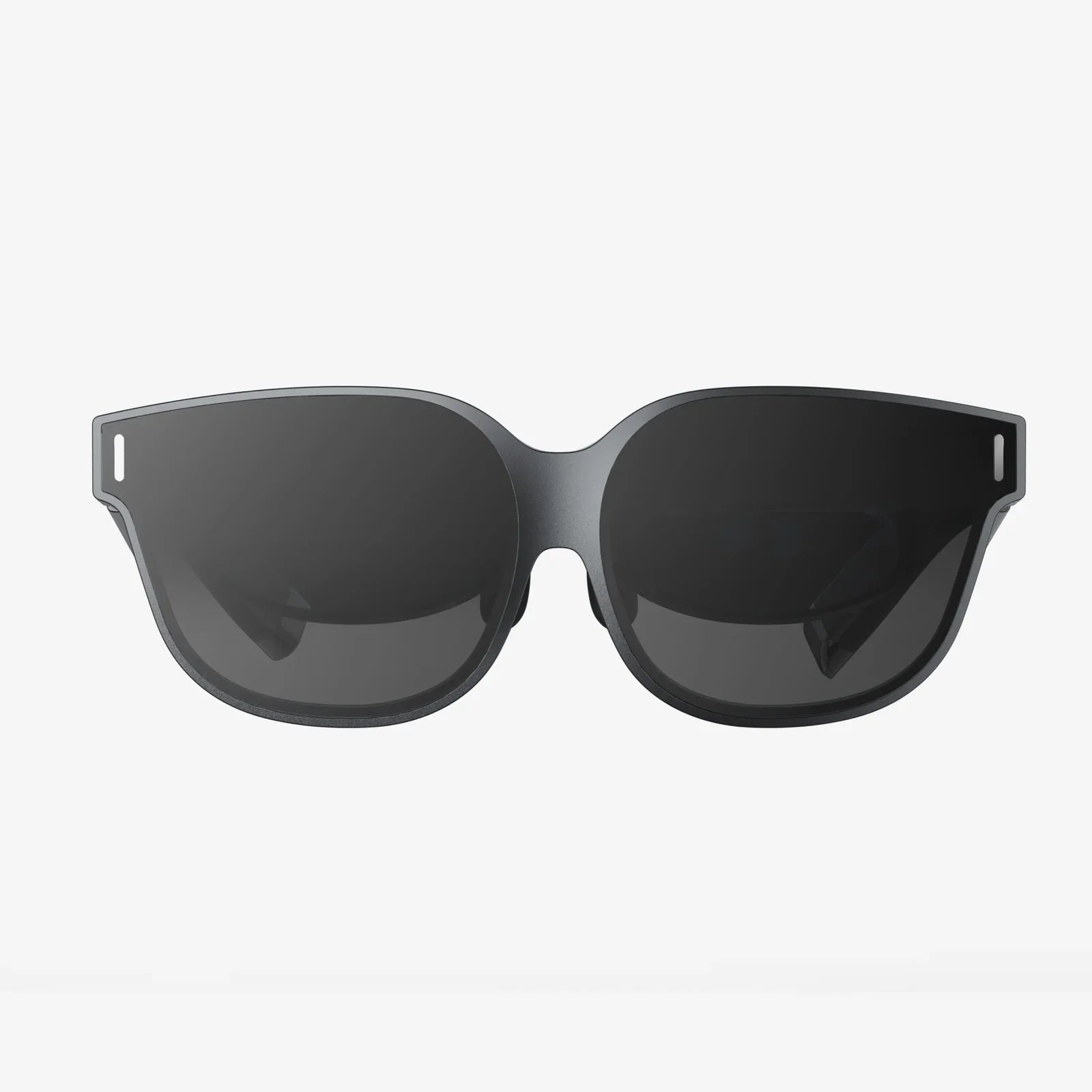
Imagine slipping on a device and instantly being transported from your living room to the edge of a volcano, the depths of the ocean, or a bustling virtual meeting room on the other side of the globe. This is no longer the stuff of science fiction; it's the compelling reality offered by modern virtual reality technology. The central question for many curious newcomers and tech enthusiasts alike is a simple yet profound one: is a VR headset worth the journey? The answer unfolds not in a simple yes or no, but in an exploration of its power, its purpose, and its potential to reshape our world.
The Engine of Immersion: How It Works
At its core, a VR headset is a sophisticated piece of hardware designed to trick the human brain into believing it is somewhere it is not. This illusion, known as presence, is achieved through a symphony of integrated technologies. The primary components are high-resolution displays, one for each eye, which show slightly different perspectives of a 3D virtual environment. These displays are housed within a visor that blocks out the external world, ensuring your entire field of view is consumed by the digital realm.
Motion tracking is the next critical piece of the puzzle. Using a combination of internal sensors like gyroscopes, accelerometers, and external cameras or base stations, the headset constantly monitors the position and orientation of your head. This data is processed in real-time, adjusting the visual perspective on the displays with imperceptible latency. If you turn your head to the left, the virtual world pivots accordingly. This 1:1 movement is fundamental to maintaining the illusion and preventing the disorientation often associated with earlier VR attempts.
Beyond sight and movement, modern systems incorporate spatial audio. Sound is not just stereo; it's dynamically rendered based on your head position. A virtual bird chirping behind you will sound like it's coming from behind, enhancing the depth and believability of the environment. Finally, input is provided through handheld controllers. These are also tracked in 3D space, allowing your virtual hands to reach out, grab objects, push buttons, and interact with the world in an intuitive way. Some advanced systems even track individual finger movements, enabling nuanced gestures like pointing or giving a thumbs-up.
Beyond the Game: A Universe of Applications
While gaming is the most famous and commercially successful application, the utility of this technology extends far beyond entertainment. It is becoming a powerful tool across numerous professional and educational fields.
Revolutionizing Education and Training
Imagine medical students performing virtual dissections or practicing complex surgical procedures without risk to a patient. Aspiring mechanics can disassemble and reassemble intricate engine models. History classes can take walking tours of ancient Rome. VR provides a safe, cost-effective, and deeply engaging platform for experiential learning. The ability to practice high-stakes scenarios in a consequence-free environment is invaluable for fields like aviation, emergency response, and public speaking.
The Future of Work and Collaboration
The concept of the office is being redefined. VR meeting spaces allow distributed teams to collaborate as if they were in the same room, sharing 3D models, brainstorming on virtual whiteboards, and communicating with a sense of shared presence that video calls cannot replicate. Architects and designers can walk clients through unbuilt structures, and engineers can examine life-size prototypes before a single physical component is manufactured.
Empowering Healthcare and Therapy
The therapeutic potential is staggering. VR exposure therapy is successfully treating patients with phobias, anxiety, and PTSD by allowing them to confront their triggers in a controlled, gradual manner. It's used for physical rehabilitation, turning repetitive exercises into engaging games that improve patient motivation and outcomes. For patients dealing with chronic pain or undergoing painful treatments, immersive VR experiences can serve as a powerful distractive analgesic.
A New Canvas for Art and Social Connection
Artists are using VR as a new medium, sculpting in 3D space and creating immersive installations that viewers can step inside. Social platforms allow people to meet, attend virtual concerts, watch movies together, and simply hang out in shared digital spaces, offering a new form of connection that transcends geographical limitations.
Navigating the Virtual Frontier: Considerations and Challenges
Adopting this technology is not without its hurdles and considerations. For some users, VR can induce cybersickness, a form of motion sickness caused by a disconnect between what the eyes see and what the body feels. While advancements like higher refresh rates and better tracking have mitigated this for many, it remains a barrier for some.
The cost of entry, while decreasing, can still be significant. A high-quality setup requires not just the headset but also a powerful computing system to run the complex software, representing a considerable investment. There are also concerns about data privacy, as these devices can collect detailed information about user behavior, movements, and even biometric data.
Furthermore, prolonged use can lead to physical eye strain and the potential for social isolation if virtual interactions begin to wholly replace physical ones. The industry is still developing best practices and ethical guidelines for this new digital layer of reality, making it crucial for users to be mindful of their usage habits.
The Horizon of Possibility: What Comes Next?
The technology is evolving at a breathtaking pace. We are moving towards headsets that are wireless, lighter, and more comfortable, with resolutions so high the digital screen is indistinguishable from reality—a concept known as retinal resolution. The future points towards more seamless integration with our senses.
Haptic feedback technology will evolve from simple controller vibrations to full-body suits that let you feel virtual rain or the impact of a virtual object. Eye-tracking will become standard, allowing for more intuitive interfaces and advanced social interactions where avatars can make meaningful eye contact. The ultimate goal is the development of truly pass-through devices that can seamlessly blend the real and virtual worlds, overlaying digital information onto our physical environment in a stable and interactive way, unlocking applications we have only begun to imagine.
So, is a VR headset just a gaming peripheral? It is a gateway, a tool, a classroom, a therapist's office, and a collaborative canvas. It is a testament to human ingenuity, a device that doesn't just display information but constructs entire experiences. It challenges our perceptions of reality and connection. The journey into virtual reality is just beginning, and the destination is limited only by our imagination. The real question is no longer about what it is, but what you will become and what you will create once you step through.
Share:
How to Set Up Your VR Headset: The Ultimate Step-by-Step Guide for a Flawless Immersive Experience
3D VR Headset for PC: The Ultimate Portal to Immersive Digital Realities