


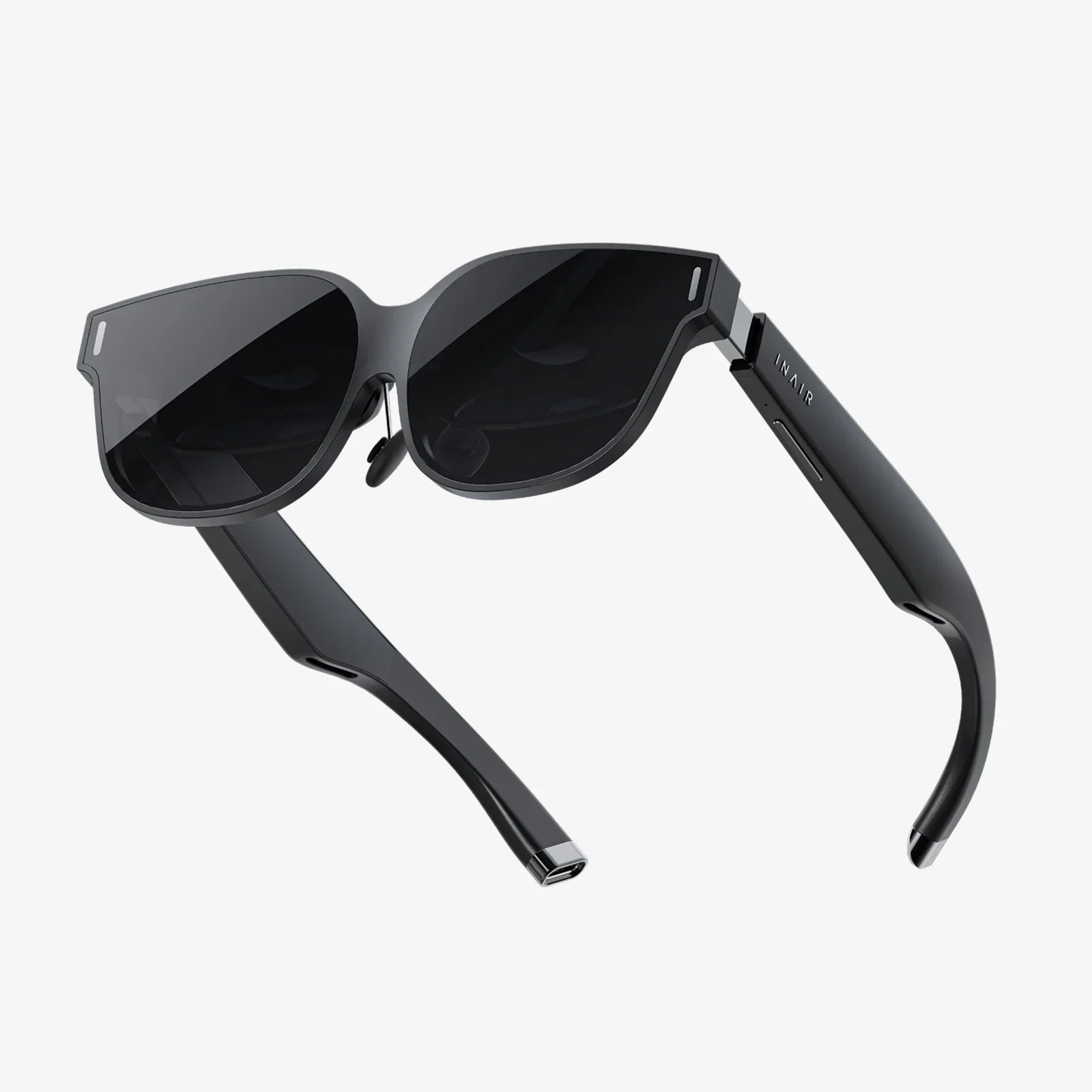
- by wangfred
Is Buying a VR Headset Worth It? An In-Depth Look at Virtual Reality's Value
- by wangfred
You’ve seen the breathtaking trailers, heard the buzz from early adopters, and perhaps even experienced a demo that left your jaw on the floor. The question now lingers, whispering from the back of your mind every time you consider a new tech purchase: is buying a VR headset worth it? The answer is not a simple yes or no. It’s a complex equation of personal interest, budget, and technological readiness. This deep dive will dissect every facet of virtual reality ownership, moving beyond the hype to give you a clear-eyed view of what it’s truly like to bring a portal to other worlds into your living room.
The first step in answering the value question is understanding the market. Gone are the days of a single, clunky, and astronomically expensive option. Today, the VR landscape is broadly divided into three categories, each with its own pros, cons, and price points.
These all-in-one devices have been the driving force behind VR's recent surge in popularity. They require no wires to a powerful computer or console, offering unparalleled freedom and ease of setup. You simply put on the headset and you're inside the experience. The graphical fidelity, while impressive for a mobile chipset, is a step below what is possible with more powerful, externally powered systems. For many, this trade-off is more than acceptable for the convenience and accessibility they provide. They represent the lowest barrier to entry for high-quality VR.
For the enthusiast who craves the absolute best visuals, deepest immersion, and most complex simulations, PC-connected headsets remain the gold standard. These devices act as high-resolution displays, leveraging the raw processing power of a capable gaming computer to render stunningly detailed and expansive virtual worlds. The experience comes with a significantly higher total cost, requiring not only the headset itself but also a robust gaming PC. They often feature more advanced tracking systems and a wider field of view, but the tether to the computer can sometimes break immersion and requires careful cable management.
Bridging the gap between standalone convenience and high-end power is console-based VR. This approach leverages the optimized hardware of a popular games console to deliver a curated, high-quality VR experience. It offers a more accessible and often more affordable path to premium VR than the PC route, as the console itself is a known quantity. The library of games is exclusive to that ecosystem but is often filled with incredibly polished and innovative titles designed specifically for the platform's strengths.
A VR headset is merely a window; its value is determined by what you can see through it. The early criticism of VR suffering from a sea of shallow tech demos has largely faded, replaced by a robust and ever-growing library of compelling software across multiple genres.
For many, gaming is the primary draw, and VR delivers experiences that are fundamentally impossible on a flat screen.
However, it's important to note that not all traditional games translate well, and the library, while strong, is still smaller than that of established flat-screen platforms.
One of the most compelling and unexpected success stories in VR is its application for fitness. A plethora of apps have turned workouts into engaging games. You can box against rhythm-based targets, slice blocks to music in a full-body workout, or join guided fitness classes in immersive environments. The key advantage is fun—it effectively tricks you into exercising by disguising it as play. Furthermore, VR serves as a powerful tool for meditation and mindfulness, allowing you to escape to a tranquil beach or a serene forest from the confines of your home.
The concept of the metaverse—a persistent, shared virtual space—is being built primarily in VR. Social platforms allow you to meet friends, attend live events like concerts and comedy shows, watch movies together in a virtual cinema, or simply hang out in customizable spaces. The sense of shared presence, conveyed through avatar body language, is profound. For productivity, VR offers the potential of infinite virtual screens for remote work, immersive 3D design and modeling, and virtual tourism. While this aspect of VR is still in its relative infancy, it represents a significant part of its future potential value.
The dream of VR is often separated from the reality by a few important practical considerations.
Determining value is impossible without considering cost. The price of the headset itself is only part of the equation.
So, after all this, who will get the most value from a VR headset?
Yes, it is absolutely worth it if:
Think twice, or wait, if:
The technology is no longer a gimmick; it is a powerful, mature, and genuinely thrilling platform. It provides forms of fun, fitness, and social connection that are unique and profoundly engaging. While it asks more of the user—in terms of space, money, and physical engagement—than traditional entertainment, the rewards for those who answer yes are unlike anything else. The door to these virtual worlds is now open, stable, and waiting. The only question that remains is whether you are ready to step through.
Share:
VR Headset as Monitor: The Ultimate Guide to Immersive Computing
Best VR Headset 2026: The Ultimate Immersive Experience Unveiled