


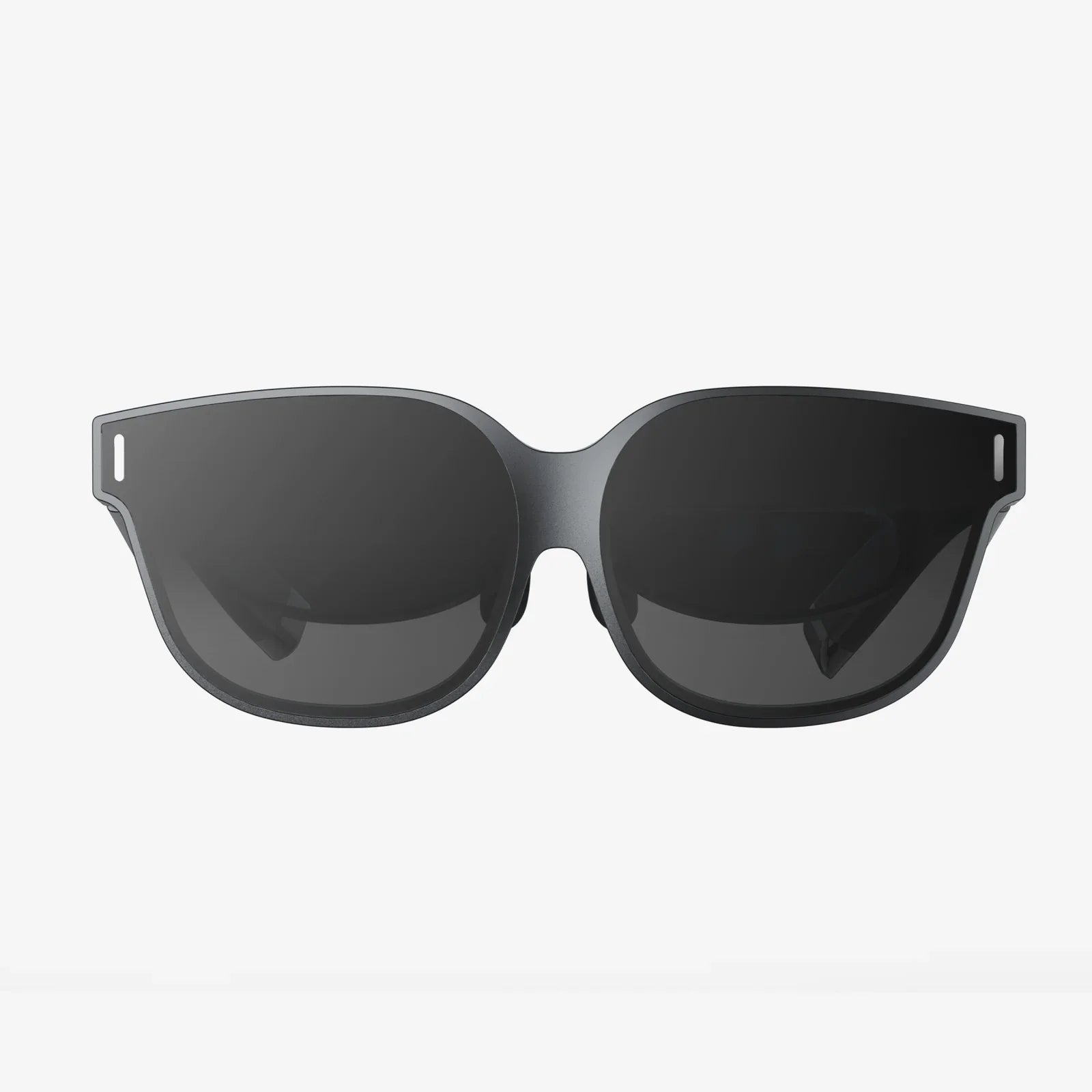
You’ve seen the mesmerizing ads, watched friends don sleek headsets, and wondered with a mix of curiosity and skepticism: is the VR worth it? Is this futuristic technology a fleeting gimmick or a genuine paradigm shift in how we play, work, and connect? The answer is complex, nuanced, and ultimately personal. This deep dive moves beyond the hype and the price tag to explore the tangible value virtual reality offers today, the very real hurdles it still faces, and the key questions you must ask yourself before making the leap into a new dimension.
The Allure: Where Virtual Reality Truly Shines
To understand VR's value, one must first experience its potential. For many, the initial entry point is entertainment, but the applications extend far beyond.
A Revolution in Gaming and Immersive Experiences
This is VR's undisputed flagship feature. Unlike traditional gaming on a screen, VR doesn't just show you a world; it places you inside it. The difference is not incremental; it's fundamental.
- Unmatched Immersion: The sense of "presence"—the tricking of your brain into believing you are somewhere else—is VR's killer app. Looking down and seeing a virtual body, hearing an enemy creep up behind you, and physically ducking under a virtual barrier creates a visceral intensity flat screens cannot replicate.
- Novel Forms of Interactivity: Games are no longer just about pressing buttons. They are about swinging a lightsaber, drawing a bowstring, carefully assembling machinery with your own two hands, or painting in three-dimensional space. This physicality introduces entirely new genres and gameplay mechanics.
- Beyond Gaming: The immersive experience extends to breathtaking virtual travel documentaries, heart-pounding cinematic experiences where you are in the movie, and live events like concerts or sports games, offering a front-row seat from your living room.
The New Frontier of Social Connection and Fitness
Perhaps the most surprising and compelling use cases for VR have emerged in social and wellness applications.
- Social VR Platforms: These are not just video chats. They are virtual spaces where you and friends, family, or strangers can gather as expressive avatars. You can play games, watch movies on a giant virtual screen, attend lectures, or simply hang out around a digital campfire. The sense of shared space and non-verbal cues (like avatar gestures) fosters a connection that Zoom calls lack, making distances feel shorter.
- A Fun Path to Fitness: VR has successfully gamified exercise. Rhythm games that have you squatting and swinging to the beat, boxing simulators, and immersive sports titles can provide a legitimately strenuous workout. The fun factor is so high that users often forget they are exercising, combating the monotony that derails many fitness routines.
Professional and Productivity Applications
While consumer-facing, the enterprise and creative sectors are finding profound value in VR.
- Design and Architecture: Architects walk clients through unbuilt homes. Car designers examine full-scale 3D models of new vehicles. Interior decorators experiment with furniture placement in a perfect digital replica of a room.
- Remote Collaboration: Teams spread across the globe can meet in a shared virtual office or interact with 3D models of complex machinery, pointing, annotating, and manipulating prototypes in real-time as if they were in the same physical room.
- Training and Simulation: From surgeons practicing delicate procedures to mechanics learning to repair new engines and pilots training in realistic cockpits, VR provides a safe, repeatable, and cost-effective training environment with zero real-world risk.
The Reality Check: Significant Hurdles and Considerations
For all its brilliance, VR is not a perfect technology. Its value is directly tempered by a set of very real and often understated challenges.
The Substantial Financial Investment
The first and most obvious barrier is cost. A quality, modern headset represents a significant purchase. Furthermore, this is rarely the end of the expenditure.
- The Hardware: The headset itself can range from a few hundred to over a thousand dollars for high-end models.
- The Ecosystem Lock-in: Many headsets are tied to specific platforms, and their digital storefronts are where you will buy all your software. Games and experiences are often priced at a premium compared to traditional PC or console titles.
- The Hidden PC Cost: For PC-connected headsets, the true cost is the headset plus a high-end gaming computer capable of running it. This can easily double or triple the total investment, pushing it into the thousands.
Technical Limitations and The Comfort Factor
The technology, while impressive, is still maturing. Several factors can break immersion or cause outright discomfort.
- Screen Door Effect and Resolution: While greatly improved, some users still perceive a faint grid-like pattern (the "screen door effect") or find text blurry. Full visual clarity, especially in peripheral vision, is not yet universal.
- Field of View: Most headsets feel like looking through a pair of binoculars or a diving mask. Your peripheral vision is often cut off, reminding you that you are wearing a device.
- Simulator Sickness: This is a major hurdle for a significant portion of users. A disconnect between what your eyes see (movement) and what your inner ear feels (stationary) can cause nausea, dizziness, and headaches. While many develop "VR legs" over time, others never adapt.
- Setup and Friction: The experience is not always "plug and play." Setting up play spaces, dealing with software updates, managing battery life for controllers, and the simple act of putting on and taking off the headset create friction that can deter casual use.
The Content Conundrum: Is There Enough to Do?
A platform is only as valuable as its software library. The VR catalog is rich with incredible experiences, but they are often shorter and less numerous than traditional AAA flat-screen titles.
- The "Tech Demo" Problem: The library is filled with amazing but short experiences that feel more like demonstrations of a concept than full-fledged products. You might finish a celebrated title in 4-5 hours.
- Longevity and Replayability: While social apps and fitness games offer ongoing value, many narrative-driven games are one-and-done. You must be the type of user who enjoys sampling many experiences rather than sinking hundreds of hours into a single game.
- Software Droughts: There can be long gaps between the release of major, must-have titles, leading to periods where your expensive headset may sit unused.
The Verdict: Who is VR For (And Who Should Wait)?
So, is the VR worth it? The answer is a resounding "it depends." Your personal circumstances, interests, and tolerance for early-adopter technology are the final arbiters.
VR is Likely Worth It For You If:
- You Are an Avid Gazer Seeking the Next Level: If you crave deeply immersive, novel gameplay and are excited by the potential of a new medium, you will find unparalleled experiences here.
- You Want a Fun Fitness Solution: If you struggle with workout motivation, VR can be a transformative tool that makes breaking a sweat genuinely enjoyable.
- You Need to Connect Long-Distance: For families separated by miles or remote teams, social VR can offer a more meaningful connection than traditional video calls.
- You're a Tech Enthusiast: If you love being on the cutting edge, tolerating quirks to experience the future today, the value is inherent in the experimentation itself.
- Your Profession Can Leverage It: For architects, designers, trainers, and others, the ROI can be calculated and justified through professional efficiency.
You Should Probably Wait If:
- Your Budget is Tight: This is a luxury entertainment purchase. If the cost gives you pause, it's not essential, and the technology will only get cheaper and better.
- You Are Prone to Motion Sickness: If you get carsick or seasick easily, there's a high probability VR will affect you, potentially making your investment unusable.
- You Seek Primarily Passive Entertainment: If your ideal evening is relaxing on the couch watching a movie, VR is an active, engaging medium that requires physical and mental effort.
- You Demand Polished, 100-Hour Games: If your gaming diet consists almost exclusively of massive open-world RPGs or online shooters with endless content, the VR library may feel sparse and limited by comparison.
- You Value Convenience Above All: If the minor hassles of setup, cables (on wired models), and putting on a headset are significant barriers for you, you may not use it enough to justify the cost.
The journey into virtual reality is one of the most exciting technological adventures available to consumers today, offering glimpses of a future where our digital and physical realities blend. It is a medium of breathtaking potential, capable of creating awe, joy, and connection in ways previously confined to science fiction. Yet, it remains a journey with a price of admission, both financial and practical. It asks for your patience, your tolerance, and your active participation. The shimmering promise is real, but it’s not yet a seamless part of everyday life. Weighing the profound moments of wonder against the very tangible demands is the only way to answer the ultimate question for yourself. The door to other worlds is open, but only you can decide if you're ready to step through.
Share:
Digital Sunglasses Are Redefining Eye Protection and Personal Connectivity
Digital Sunglasses Are Redefining Eye Protection and Personal Connectivity